Step By Step: Beginner’s Guide to Using an Electric Saw
Jump to section
An electric saw is a power tool that uses a motor to spin a blade and cut materials like wood, plastic, or metal. Operators use it to make straight or curved cuts with less effort than a hand saw because the motor drives the blade at a steady speed. Electric saws are used by setting the right blade and cutting depth, wearing proper safety gear, and guiding the tool with steady control to avoid kickback.
This guide shows how different electric saws work, why common types like the circular saw suit beginners, and how to cut with control. It also explains how to spot problems, handle basic troubleshooting, and build safe habits that carry over to every project.
What Is an Electric Saw?

An electric saw is a power tool that uses an electric motor to move a blade in a set motion to cut material. The motor spins or drives the blade because electrical energy converts into mechanical motion. For operators, this means the saw does the hard work instead of their arms.
Why Are Electric Saws Suitable for Beginners?
Benefits of electric saws:
- Electric saws reduce physical effort and improve control.
- Electric saws include blade guards, electric brakes, and two-hand grips.
- Electric saws support a wide range of DIY and woodworking projects.
Electric saws suit beginners because they reduce physical effort and improve control. The motor maintains a steady blade speed, which helps operators make smoother and more accurate cuts. This lowers the chance of forcing the tool and losing control.
Many models include blade guards, electric brakes, and two-hand grips. These features limit blade exposure and stop the blade faster when the trigger is released. In real use, this reduces injury risk while operators learn how to use an electric saw.
Electric saws also support a wide range of DIY and woodworking projects. Blades can be changed to match the material, which allows one tool to handle many tasks. This flexibility helps beginners build skills without buying many tools.
What Are the Common Types of Electric Saws?
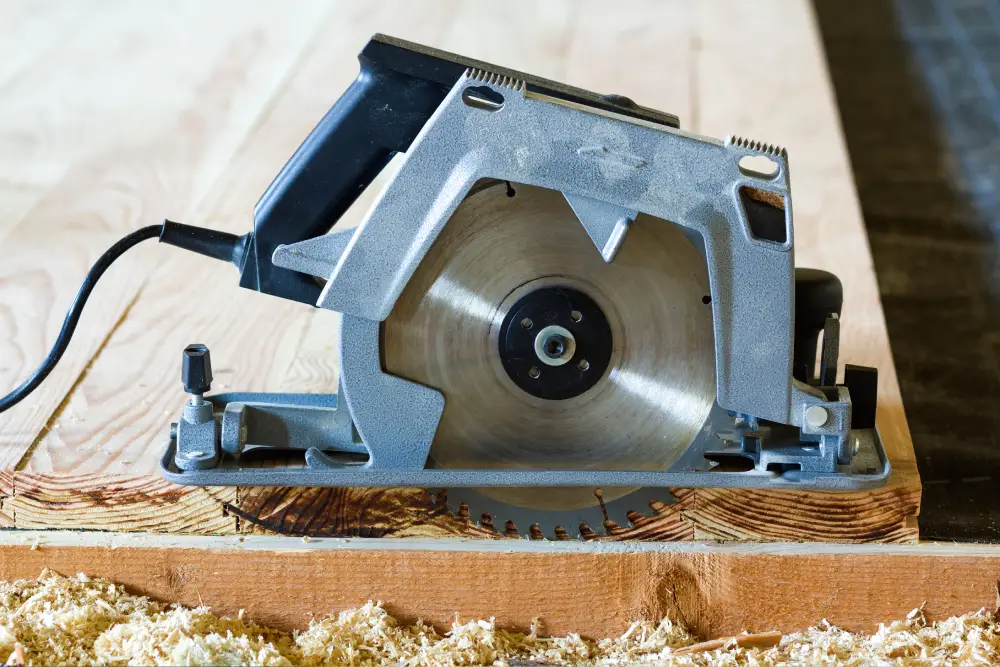
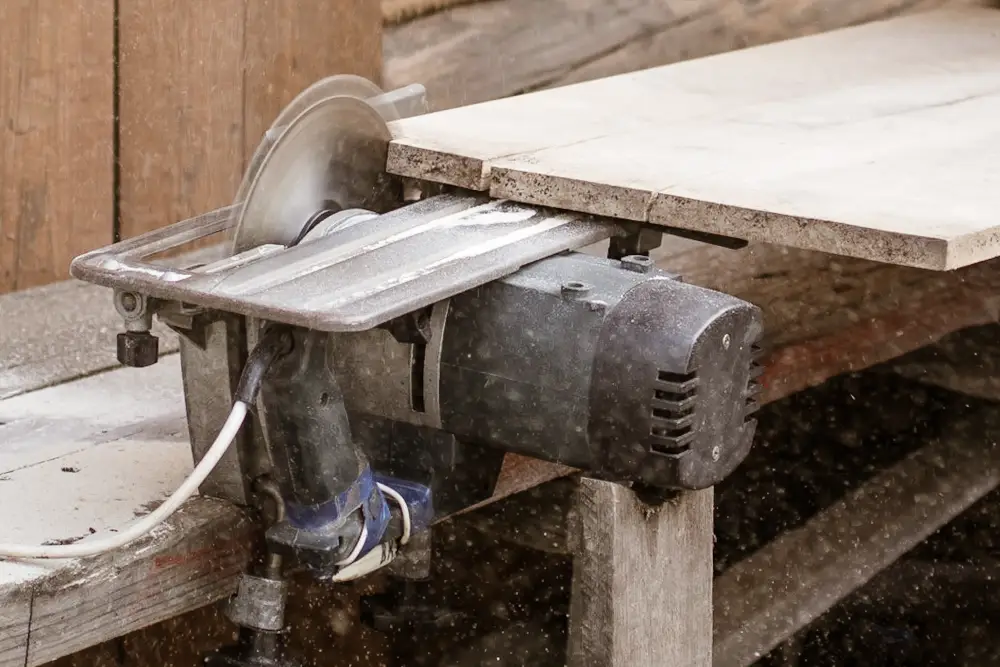
Common types include circular saws, jigsaws, and reciprocating saws. Each type uses a different blade motion and design, which changes how operators control the tool and what it cuts best.
Common types of electric saws include:
- Circular Saw
- Jigsaw
- Reciprocating Saw
- Speed Saw
- Miter Saw
- Table Saw
- Band Saw
- Scroll Saw
- Tile Saw
- Circular Saw: A portable electric saw with a round, toothed blade that spins to make straight cuts. The operator guides the saw across the material, not the other way around.
- Jigsaw: A handheld electric saw that cuts using a short blade moving up and down. This motion lets the operator turn the tool while cutting.
- Reciprocating Saw: A portable electric saw that moves a long blade back and forth in a straight line. The blade sticks out from the front of the tool.
- Speed Saw: A lightweight circular saw designed for quick, shallow cuts. It often uses a smaller blade and a compact motor.
- Miter Saw: A stationary electric saw that makes crosscuts by lowering a spinning blade onto the workpiece. The blade mounts on a pivoting arm.
- Table Saw: A stationary electric saw with a circular blade mounted through a flat table surface. Operators push the material into the blade.
- Band Saw: An electric saw that uses a continuous loop blade stretched over two wheels. The blade moves in one direction without stopping.
- Scroll Saw: A stationary electric saw that cuts using a thin blade moving up and down. The blade mounts at both ends.
- Tile Saw: An electric saw designed to cut ceramic, porcelain, or stone tile using a diamond‑coated blade. The blade does not have teeth.
Safety Gear and Precautions
Using an electric saw exposes operators to fast-moving blades, flying debris, loud noise, and fine dust. The right safety gear, a clean workspace, built-in safety features, and correct handling reduce these risks effectively.
Tips for using an electric saw:
- Wear personal protective equipment.
- Set a safe work area.
- Know built-in safety features of electric saws.
- Hold the saw properly.
Personal Protective Equipment (PPE): Operators should wear safety glasses or goggles, hearing protection, and a dust mask or respirator. Gloves should be avoided near spinning blades.
Work Area Preparation: Keep the floor clear, ensure good lighting, and secure materials with clamps. Keep bystanders at a safe distance and ventilate the area or use dust collection.
Safety Features: Check blade guards, electric brakes, and chain brakes to ensure they function properly. These features prevent accidental contact and stop the blade quickly.
Proper Handling: Hold the saw with both hands, stand to the side of the cut, start the saw before touching the material, and feed it steadily. Unplug or remove the battery before adjustments.
Step-by-Step: How to Use an Electric Saw

Using an electric saw requires controlling the material, the blade, and the cut path at all times. Correct setup, steady cutting techniques, and safe finishing reduce errors and lower the risk of injury.
Setting Up and Securing the Material
Cutting wood starts with stable support. Place the workpiece on a flat workbench or sawhorses rated for construction lumber. Clamp the material on both sides of the cut line because clamps stop movement, which prevents blade binding and kickback.
Set the cutting depth so the blade extends about 1/4 inch below the material. This depth limits exposed blade area, which reduces kickback risk and improves control. This ensures the blade cuts cleanly without grabbing excess material.
Clear the area under the cut so the blade does not strike the bench. Connect a dust collection system or shop vacuum if available. Dust collection improves visibility and keeps the cut line clear during long cuts.
Making Straight and Bevel Cuts
Straight cuts follow a marked line with the saw base flat against the material. Use a guide rail or straight board when ripping wood because the guide keeps the blade aligned. This improves cutting efficiency and reduces blade drift.
Bevel cuts are angled cuts made by tilting the saw base, often between 0 and 45 degrees. Lock the bevel adjustment firmly because a loose base shifts during the cut and ruins the angle. For precise angled cuts, test the angle on scrap wood first.
Let the blade reach full speed before entering the material. Maintain steady forward pressure. For operators, this ensures smoother cuts and less strain on the motor.
Cutting Curves and Intricate Shapes
Intricate cuts require short, controlled movements. Use a narrow blade if the saw allows blade changes because narrow blades turn more easily. Mark the curve clearly and cut just outside the line.
Avoid forcing tight turns. Instead, make small relief cuts to remove waste material. This method reduces blade binding and keeps the cut accurate. For plunge cuts, lower the spinning blade slowly into the material while the saw base stays flat.
When cutting metal, install a blade rated for metal and wear eye protection. Metal blades use hardened teeth, which handle heat and sparks. This prevents tooth damage and unsafe blade failure.
Finishing Safely
Release the trigger and keep the saw in place until the blade stops fully. Moving the saw early can cause contact with the spinning blade. Unplug the tool before adjusting the blade or clearing debris.
Check the cut edge for loose offcuts and remove clamps only after the blade stops. Clean sawdust from the base and vents because buildup affects airflow and motor cooling.
Store the saw with the blade guard closed. Coil the cord neatly and keep it off the floor. These steps protect the tool and reduce trip hazards in the workspace.
Electric Saw Troubleshooting
Troubleshooting an electric saw starts with checking the power source. A tripped outlet, loose cord, or drained battery can prevent the motor from starting.
If the saw runs but cuts poorly, check the blade. A dull or loose blade increases friction, making the motor work harder and potentially shutting off to prevent damage.
Blade guard issues can block cutting. Debris may prevent the guard from retracting fully, keeping safety mechanisms engaged even when the motor runs.
Battery problems often cause power loss. Lithium-ion batteries lose output in extreme heat or cold, leading to shorter run times or sudden shutdowns.
Poor dust collection can overheat the saw. Sawdust near motor vents traps heat, causing the saw to shut down to protect internal components.
FAQs
How do operators make a straight cut using a circular saw?
Straight cuts are made by guiding the saw along a marked line using a straightedge or clamp-on guide. Set the blade depth so the teeth extend about 1/4 inch below the material. This reduces tear-out because the blade cuts cleanly without excess exposure. Keep the saw base flat on the material and push forward at a steady speed. This ensures the blade stays aligned and does not wander during the cut.
What is the most common mistake people make when using a miter saw?
The most common mistake is failing to hold the workpiece firmly against the fence. When the board lifts or shifts, the blade can pull it forward. This can result in inaccurate cuts or sudden movement. Always wait for the blade to reach full speed before cutting and keep it down until it stops spinning. This practice prevents rough edges and reduces sudden movement.What should beginners consider when choosing their first electric saw?
They should choose one based on the materials they plan to cut and the type of cuts needed. A circular saw works well for straight cuts in plywood and boards because its flat base supports long cuts. This allows operators to break down large sheets without a fixed bench. Check blade size, power source, and safety features like a blade guard. This ensures easier control, safer use, and fewer limitations on where the tool can be used.
Want to Know More About Our Products?
View All Products Now