80V vs 60V: Which Chainsaw is the Best?

Jump to section
The best chainsaw voltage depends on the job: 60V models balance power with portability for regular woodcutting, while 80V tools deliver the strength professionals rely on for heavy-duty use. Battery voltage directly affects how much power a chainsaw produces, how long it runs, and how efficiently it cuts. Choosing the right voltage ensures the saw matches both the workload and the environment.
This guide explains how voltage influences performance and compares 60V and 80V chainsaws in real use. It clarifies when each option fits best, how to judge runtime versus power, and what to expect in cost, maintenance, and usability. By the end, anyone selecting a new chainsaw can match voltage to workload with confidence.
How Voltage Influences Chainsaw Performance
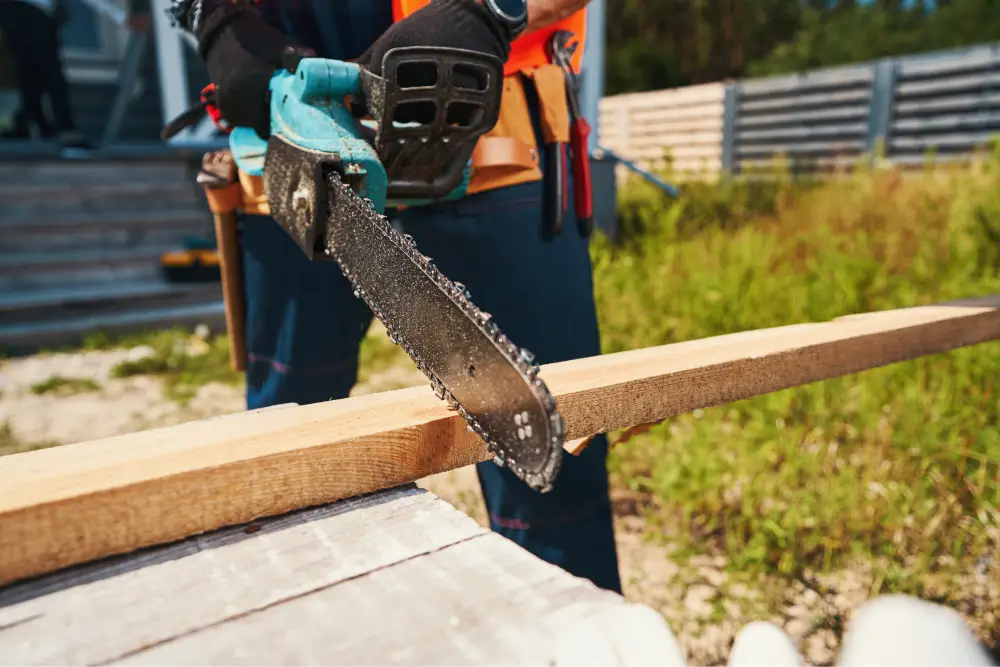
Voltage measures the electrical potential supplied to a chainsaw’s motor. It determines how much power the tool can deliver to cut through wood of different hardness or thickness. In other words, voltage acts as the engine size of a cordless saw—more volts mean more energy available for demanding work.
A higher voltage, such as 60V or 80V, allows the motor to deliver more torque and cutting speed because the electrical current can flow with greater force. This results in faster chain movement and cleaner cuts in dense or thick wood. In contrast, lower voltages like 12V or 40V supply less energy but reduce weight and cost. These versions suit pruning or trimming smaller branches where extended runtime is less critical.
| Voltage | Typical Use | Approx. Runtime (4.0Ah) | Weight | Example Application |
| 12V | Light pruning | 20–30 min | Very light | Small limbs <4″ |
| 40V | Yard cleanup | 40–60 min | Light | Logs 4–8″ thick |
| 60V | Firewood cutting | 60–90 min | Moderate | Logs 8–12″ thick |
| 80V | Heavy felling | 90–120 min | Heavier | Trees >12″ thick |
What is a 60V Chainsaw?
A 60V chainsaw is a cordless electric cutting tool that runs on a 60‑volt lithium‑ion battery system. This voltage level provides a balance between power and portability, making it suitable for most residential and medium‑duty cutting tasks such as trimming branches or cutting firewood.
These saws use brushless motors, which reduce friction and energy waste by removing carbon brushes. Because of this design, they deliver consistent torque and extend motor lifespan. For operators, this means smoother operation with less maintenance compared to older brushed systems.
Advantages of 60V Chainsaws
- Efficient power-to-weight ratio: The 60V platform supplies enough torque to cut dense wood yet keeps the tool light enough for handheld control.
- Faster charging cycles: Many 60V batteries reach full charge in about an hour.
- Lower noise and emissions: Since they use electric motors, they operate quietly and do not release exhaust gases.
Disadvantages of 60V Chainsaws
- Limited runtime: Standard 4.0 Ah batteries often last 30–40 minutes under moderate load.
- Reduced power on thick hardwoods: A 60V chainsaw may slow down or require multiple passes on larger trunks.
- Battery compatibility constraints: 60V batteries fit only tools within the same voltage platform.
What is an 80V Chainsaw?
An 80V chainsaw is a battery-powered cutting tool that uses an 80-volt lithium-ion battery to drive its motor. This high-voltage system provides torque and chain speed close to that of mid-range gas chainsaws, allowing it to handle medium to heavy cutting tasks such as trimming large branches or cutting logs.
Most 80V models use a brushless motor, which operates without physical brushes. Because of this design, friction and heat are reduced, resulting in lower maintenance needs and longer motor lifespan. For operators, this means smoother operation and more consistent power delivery.
Advantages of an 80V Chainsaw
- Reduced emissions and quieter operation.
- Fewer maintenance tasks since operators do not need to replace spark plugs, change oil, or mix fuel.
- Instant start capability with a trigger pull rather than a recoil cord.
Disadvantages of an 80V Chainsaw
- Limited runtime due to dependence on battery capacity; larger jobs may require spare batteries or recharging intervals.
- Higher upfront cost compared to lower-voltage or corded electric models, as the 80V system requires high-capacity batteries and chargers.
- Heavier battery weight can add strain during long periods of use.
80V vs 60V Chainsaws: Which One is Better?
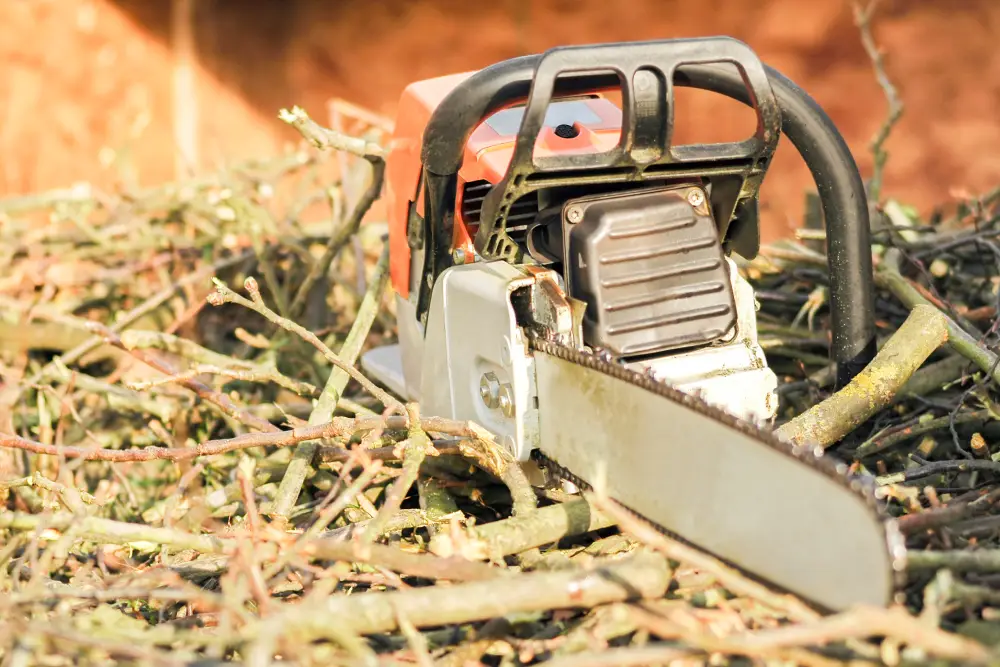
The 80V and 60V chainsaws use brushless motors powered by lithium-ion batteries but differ in how much power they deliver, how long they run, how heavy they feel, and how much they cost. Their designs suit different routines, from trimming limbs to cutting heavy firewood, depending on battery capacity and chain speed.
Power Output and Cutting Ability
An 80V chainsaw uses a higher-voltage battery that drives its motor with greater torque and chain speed. For example, an 80V 18-inch model can reach around 11,000 RPM, while a 60V 16-inch variant runs closer to 10,000 RPM under normal load. Because of this, the 80V version keeps cutting speed steady through dense hardwood, while the 60V slows slightly in thicker material.
The 80V’s 18-inch bar increases cutting capacity, letting it slice logs up to 16 inches in one pass. In comparison, the 60V’s 16-inch bar usually handles trunks around 14 inches in diameter. Operators cutting oak or maple often favor the 80V model because its stronger torque reduces the need for multiple cuts.
Runtime and Efficiency
A chainsaw’s runtime depends on both battery capacity (amp-hours) and how efficiently the motor converts stored energy into motion. The 80V system often uses 2.0Ah or 4.0Ah packs, while the 60V system runs on 2.5Ah to 5.0Ah batteries. Multiplying voltage by amp-hour gives watt-hours, a measure of total energy. For instance, a 60V 8Ah battery equals 480 watt-hours, more energy than an 80V 4Ah pack at 320 watt-hours.
However, higher voltage allows the 80V motor to draw current more efficiently during heavy loads. This design keeps speed consistent when cutting hardwood without large spikes in the drain. In practice, an operator cutting small limbs might see little difference in total cut time per charge.
Weight and Handling
Battery weight plays a noticeable role in how each chainsaw feels. An 80V 2.0Ah battery weighs about 3.4 pounds, while a 60V 2.5Ah battery averages 2.9 pounds. That difference may seem small, but combined with a longer bar and larger housing, the 80V setup can reach 13–14 pounds, compared to roughly 10–11 pounds for the 60V unit.
The heavier frame of the 80V saw provides stability when felling thicker wood. Extra mass keeps vibration steady and helps the chain bite evenly through logs. For long sessions or overhead trimming, though, this weight becomes tiring.
Operators dealing mainly with light branches often prefer the 60V because its lighter body and smaller battery reduce arm fatigue. The balance also improves maneuverability when limbing fallen trees or shaping shrubs. Each platform trades fatigue for cutting momentum, so the right choice depends on the job type and frequency.
Price and Value Considerations
Price differences between 60V and 80V chainsaws reflect their performance range. An 80V 18-inch model with battery and charger can cost around $350–$400, while a 60V 16-inch kit may fall closer to $250–$300. Cordless versions without batteries or chargers reduce cost but require a compatible platform investment.
The 60V platform appeals to homeowners maintaining lawns and smaller properties. Because its batteries fit multiple tools in the same series—such as trimmers and blowers—operators can share power packs, lowering total expenses. The 80V system, designed for larger workloads, supports professional-grade mowers and saws that cost more per tool but deliver higher torque output.
Safety Features
Both 60V and 80V chainsaws include chain brakes, low-kickback bars, and automatic oilers. However, the higher torque in 80V models means added metal bucking spikes and stronger guards are often built in. These parts anchor the saw during a cut, reducing recoil when the chain hits resistance.
The lighter 60V saw is easier to control above shoulder height, which reduces strain and the risk of slips. The heavier 80V saw, though, stays steadier against large logs because weight counteracts bounce. Both include LED battery status lights and trigger locks to prevent accidental starts, features that improve safety during transport and storage.
How to Choose the Right Chainsaw for Operators

Selecting the right chainsaw depends on the size of the job, how often it will be used, and how comfortable the operator is with handling power tools. Key decisions include matching engine or battery strength to workload, evaluating safety mechanisms, and considering useful accessories that improve operation and upkeep.
Evaluate Workload and Frequency
A chainsaw is a motorized cutting tool that uses a rotating chain with sharp teeth to cut through wood. Choosing between gas, corded electric, and cordless models depends on how much cutting needs to be done and how frequently.
For occasional light work such as trimming branches under 6 inches, a battery-powered chainsaw rated between 40V and 60V usually suffices. For frequent use or felling thicker trees, a gas chainsaw with an engine of 45–60cc or more provides sustained torque. Because gas models require mixing fuel and oil, they suit operators comfortable with basic mechanical tasks.
If runtime is critical, a cordless model with an 80V battery increases both power and cut time. For operators, this means less downtime for recharging and better performance on dense hardwood. Considering these variables helps align tool capability with real-world cutting demands.
Check Compatibility and Safety
Operating a chainsaw safely depends on matching its weight and bar length to the operator’s strength and skill. A long guide bar—say 20 inches—can handle larger logs but becomes harder to control. Lighter 14–16 inch bars allow safer handling for new operators or shorter cutting sessions.
Safety mechanisms such as inertia chain brakes, low-kickback chains, and automatic oilers reduce risk and simplify upkeep. The chain brake stops motion instantly when sudden kickback occurs. Low-kickback chains use guard links and modified depth gauges to reduce the chance of a violent upward reaction. For operators, these features mean fewer accidents and more predictable handling.
Consider Additional Features and Accessories
Beyond power and safety, add-ons can improve efficiency and maintenance. Tool-free chain tensioners let operators adjust chain tightness quickly without wrenches. Because the chain stretches with use, this design keeps cutting performance consistent and prevents derailment.
Some cordless chainsaws include brushless motors, which use electronic control to reduce friction and heat. This results in higher energy efficiency and longer motor life. In other words, operators spend more time cutting and less time charging or replacing parts. Practical accessories such as battery banks, bar covers, and sharpening kits extend equipment life.
When to Choose a 60V Chainsaw
Most operators choose a 60V model when handling pruning, limbing, or cutting logs up to about 14 inches in diameter. The combination of moderate voltage and lighter battery weight keeps the saw easier to manage overhead or during long sessions.
Because the 60V packs store less total energy than 80V packs, operators notice shorter maximum cutting times per charge. However, they recharge faster when paired with standard or rapid chargers. In practice, this translates to quick turnaround for homeowners who need short work bursts rather than continuous, heavy cutting.
A 60V saw fits best for those who prioritize ease of handling and lower cost. It stays quiet, starts instantly, and needs only chain oil and tension checks, making it a simple and capable choice for seasonal trimming and light firewood cutting.
When to Choose an 80V Chainsaw
Operators often select an 80V chainsaw for firewood cutting, storm cleanup, or tree felling where deep cuts and sustained power are needed. These saws typically handle bars between 18–20 inches, which gives them the reach to manage thicker trunks. For a homeowner with several acres or a professional arborist, that capability reduces total cutting time per task.
Because 80V batteries hold more energy per cell, they weigh slightly more. For operators, this means a heavier tool, but in return, it maintains cutting speed under load and avoids bogging down in hardwoods. Those who often cut oak, maple, or hickory benefit most from the extra voltage.
FAQs
What are the benefits of using a higher voltage chainsaw for yard work?
Using a higher voltage chainsaw for yard work offers several benefits. It delivers more cutting power, allowing operators to efficiently cut through thicker branches and logs. The increased torque also enables faster cutting, reducing the overall time spent on yard tasks. Higher voltage models handle heavy-duty jobs, such as dense wood or large trees, more effectively than lower-voltage saws. They also maintain consistent performance under load, ensuring smooth and reliable cutting even with tough or wet wood.
What are the advantages of owning a chainsaw that comes tool-only?
Owning a tool-only chainsaw has several advantages. It is often more affordable since operators do not pay for batteries or chargers they may already own. It reduces clutter, allowing use of existing compatible batteries from other tools. Tool-only models are lighter and easier to handle without extra battery weight, and they give operators the flexibility to upgrade batteries or accessories separately for improved performance.
What is the best voltage for a chainsaw?
The best voltage depends on the type of cutting work. 40V to 60V models handle small to medium jobs like pruning, brush clearing, and firewood cutting. They offer a balance between weight, runtime, and power, making them suitable for most homeowners.
An 80V chainsaw fits operators who need professional strength for thicker logs or frequent use. Its higher torque output cuts faster through hardwood and saves time on large projects. For casual yard maintenance, though, the lighter 60V class remains practical and easier to handle.
Want to Know More About Our Products?
View All Products Now