How to Sharpen a Chainsaw: Step-By-Step for Optimal Performance
Jump to section
A chainsaw is sharpened by securing the saw, filing each chain cutter at the correct angle with a round file, and setting the rakers with a depth gauge so the chain cuts evenly.
This guide explains what chainsaw sharpening is, the tools needed such as a round file, flat file, and depth gauge, and how to prep the saw with safe tension. It also provides a clear step-by-step guide for sharpening cutters and rakers, then finishes with maintenance tips and quick answers to common questions so the chain stays sharp longer.
What is Chainsaw Sharpening?
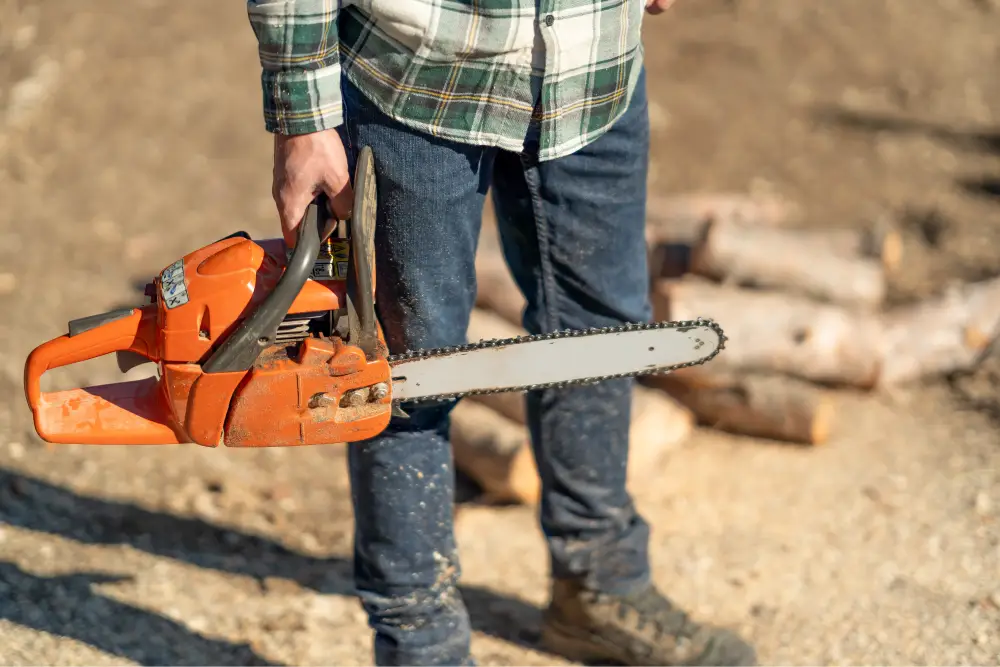
Sharpening a chainsaw keeps the chain cutting wood instead of scraping it. Operators need to understand why sharp teeth matter, how the chain parts work together, and how to spot wear before it slows work or increases risk.
Why Sharpening a Chainsaw Matters
Sharpening a chainsaw means restoring the cutting edge on each tooth so it slices wood fibers cleanly. A sharp chain cuts because each cutter has a defined edge set at a specific angle, often 25–35 degrees depending on the chain type.
When the edge dulls, the chain rubs wood instead of cutting it. This increases engine load because the motor must push harder to remove material. In practice, this translates to slower cuts and higher fuel use.
Regular sharpening also supports chainsaw maintenance. A sharp chain reduces vibration because the cutters bite evenly. For operators, this means steadier control and less strain on hands and arms.
Key Parts of a Chainsaw Chain
A chainsaw chain includes several parts that must stay in balance for proper cutting. Each part has a clear role, and sharpening focuses on only some of them.
| Part | What it does | Why it matters |
| Cutters | Slice wood fibers | Sharp edges determine cut speed |
| Depth gauges (rakers) | Set bite depth | Proper height prevents grabbing |
| Tie straps | Link the chain | Keep spacing even |
| Drive links | Move chain on bar | Ensure smooth travel |
How to Spot a Dull Chain?
A dull chain can be recognized by how it cuts and what it leaves behind. A sharp chain throws coarse chips, not fine dust. Dust indicates worn edges that scrape instead of slice.
Operators may notice the saw pulling to one side, often caused by unevenly worn cutters due to hitting dirt or rocks. This requires more effort to correct the cut by hand.
Other signs include smoke during cuts and a warm bar despite proper oiling. These occur because friction rises when edges lose shape. Recognizing these signs early helps operators determine when to sharpen a chainsaw before damage spreads to the bar and sprocket.
What Tools are Needed for Sharpening a Chainsaw?
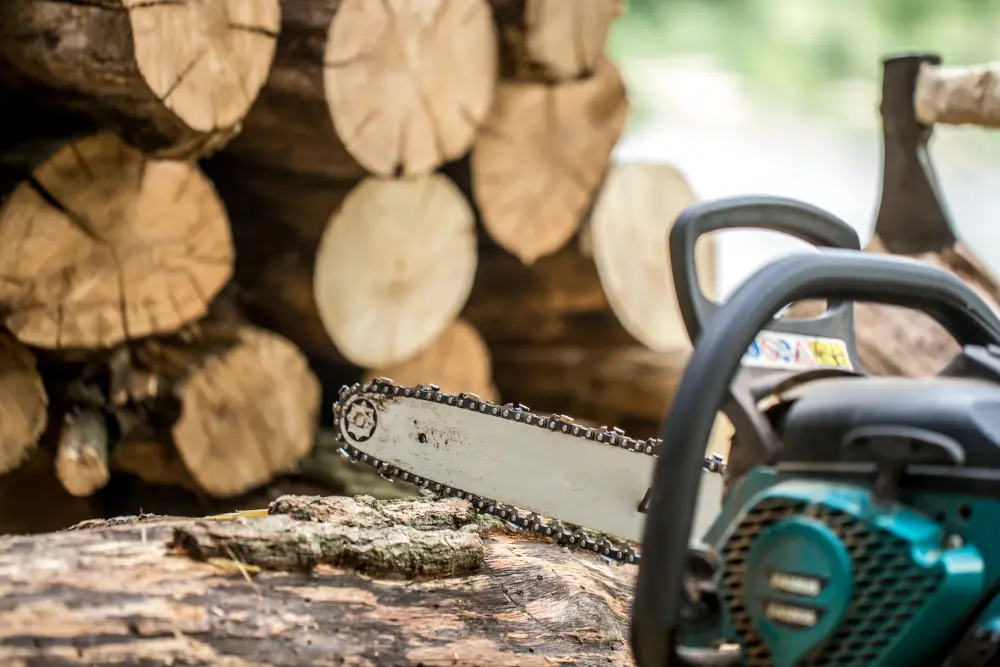
Sharpening requires a few basic tools, each serving a clear role to help achieve even and safe cuts.
Tools for chainsaw sharpening include:
- A chainsaw file
- A flat file
- A depth gauge tool
- Manual chainsaw sharpeners
- Electric chainsaw sharpeners
What are Preparations and Safety Measures for Chainsaw Sharpening?
Sharpening starts with careful setup and safety steps. Operators must check the chain for damage, clean off debris, lock the saw in place, and set correct chain tension before filing any teeth.
Steps Before Sharpening a Chainsaw
- Setup and safety checks: Inspect the chain for bent cutters, cracked links, or missing teeth, and clean off sawdust, oil, and resin. A clean, undamaged chain ensures accurate filing and safer operation.
- Secure the chainsaw: Engage the chain brake and clamp the bar on a stable bench or stump with the chain facing up. For electric saws, remove the battery or unplug; for gas saws, turn off the engine. A fixed saw keeps the filing angle consistent for even cutter lengths.
- Set proper chain tension: The chain should sit snugly on the bar with drive links engaged but still able to move. Correct tension prevents tilting during filing, ensuring uniform tooth angles and smoother cuts.
How to Sharpen a Chainsaw: Step-by-Step Guide
Sharpening a chainsaw involves working one tooth at a time and keeping every cut surface the same size and angle. The process relies on clear marking, steady filing, and careful adjustment of depth gauges so the chain cuts evenly and safely.
Marking the Starting Point
Marking the starting point means choosing one cutter tooth and marking it so the sharpening cycle has a clear start and end. A permanent marker or a small piece of tape is used on the shortest cutter, since all other teeth should match its length.
This step ensures equal work on every cutter. Uneven sharpening can cause the chain to pull to one side during a cut. Marking the tooth after tightening the chain ensures consistent strokes.
Filing the Cutters
Filing restores the sharp edge that slices wood fibers. Each cutter has a curved cutting edge, so a chainsaw file sized to the chain’s pitch is used.
The file is placed in the cutter’s notch at the factory angle, usually 25 or 30 degrees. Operators push the file forward only, using smooth strokes. This forward motion removes metal evenly and avoids damaging the cutter edge. Counting strokes and repeating the same number on each cutter keeps all teeth the same length, helping the saw track straight through wood.
Filing the Depth Gauges
Depth gauges are the small metal tabs in front of each cutter that control how deep the tooth bites into wood. If they sit too high, the chain cuts slowly; if too low, the saw grabs and vibrates. A depth gauge tool and flat file are used to check each one. Only the part that rises above the tool is filed.
Controlled filing sets a consistent cutting depth, resulting in smoother cuts and less kickback risk. After filing, lightly rounding the front edge of the gauge ensures the chain feeds into wood without jerking.
After Sharpening: What are Maintenance and Best Practices for Chainsaw?
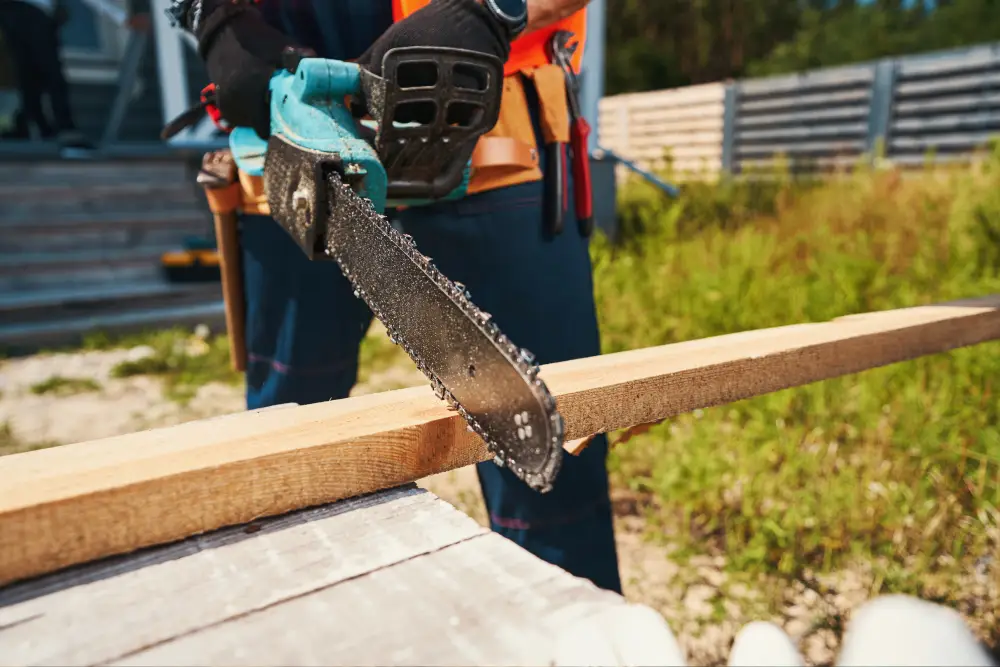
After sharpening, operators should reset a few basics so the saw cuts as intended. Focus on chain tension, lubrication with the right oil, and simple checks that confirm proper work.
1. Check Chain Tension and Lubrication
After sharpening, the chain should be snug but still able to move. Proper tension prevents derailment or overheating. Fill the bar and chain oil reservoir and ensure oil reaches the chain during a test cut to reduce wear and maintain smooth operation.
2. Test Sharpness
Make a short cut in clean, dry wood. A sharp chain feeds itself into the cut with minimal effort. Coarse, square chips indicate proper filing; fine dust or pulling to one side indicates dull or uneven cutters.
3. Maintain a Sharp Edge
Prevent rapid dulling by avoiding dirt, sand, and metal. Clean the chain after use, check depth gauges every 2–3 sharpenings, and store with a light coat of bar and chain oil to prevent rust. Routine care reduces sharpening frequency and keeps cuts consistent.
FAQs
What is the best technique for a beginner to sharpen a chainsaw?
The best technique is manual filing, sharpening each cutter by hand with a round file that matches the chain size. Most common chains use a 5/32‑inch, 3/16‑inch, or 7/32‑inch file, and the file guide sets the angle at 25–30 degrees.
Only the push stroke is used because the file cuts in one direction. This prevents uneven edges and reduces metal loss, ensuring consistent cutter length without damaging the chain. Counting the same number of strokes on every cutter, usually 3 to 5, keeps the chain balanced and allows straight cutting.
How many times can a chainsaw chain be sharpened?
A chainsaw chain can be sharpened 5 to 10 times, depending on how much metal is removed each session. Each cutter has a witness mark showing the minimum safe length.
Once filing reaches that mark, the cutter cannot hold an edge. The chain will cut slower and increase kickback risk, so replacement is safer. Frequent light sharpening removes less metal than waiting until the chain is very dull, extending chain life.
How can a chainsaw be sharpened without a file?
A chainsaw can be sharpened using a bench-mounted grinder or a rotary tool with a sharpening stone sized for the chain. These tools grind the cutter edge instead of filing it.
A grinder removes metal faster, so contact should be limited to 2–3 seconds per tooth. This gives faster results but carries a higher risk of overheating if pressed too long. If no sharpening tool is available, replacement is the only safe option, as cutting with a dull chain increases effort, bar wear, and loss of control risk.
Want to Know More About Our Products?
View All Products Now