How to Operate a Zero-Turn Mower: Master Steering, Safety & Efficiency

Jump to section
A zero-turn mower is a riding mower steered with two control levers, allowing each wheel to move independently for precise turns and efficient mowing. Start the engine with the parking brake on, use the levers to control speed and direction, and engage the blades only when fully in control. This lets you navigate tight spaces and obstacles while maintaining clean mowing patterns.
You will also learn why safety checks and regular maintenance matter. Proper blade care, fluid checks, and tire pressure affect control and cut quality. By following these practices, you can use a zero-turn mower confidently, reduce machine wear, and keep your lawn even, safe, and healthy.
What Is a Zero-Turn Mower?
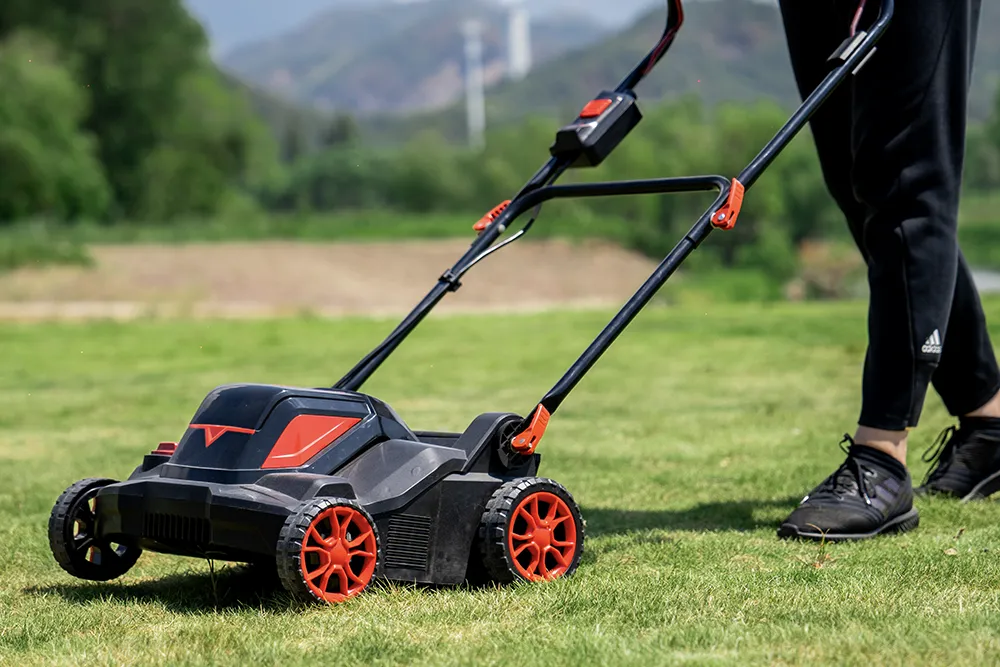
A zero-turn mower is a riding lawn mower that steers by using two separate drive wheels instead of a steering wheel. You control each wheel with a hand lever, which lets the mower turn in place when the wheels move in opposite directions.
Key traits of a zero-turn mower:
- Dual steering levers instead of a wheel
- Independent rear drive wheels powered by hydraulics
- Near-zero turning radius, allowing tight turns
- Front-mounted cutting deck for better edge control
Safety Checks of a Zero-Turn Mower Before Operation
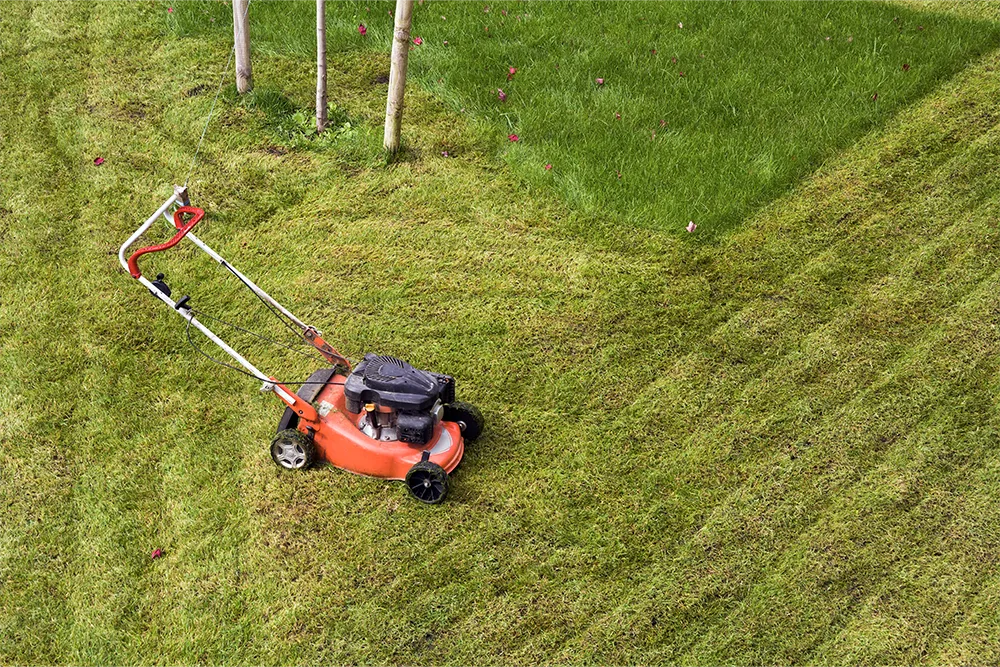
Safe operation depends on knowing the controls, setting the machine to fit your body, wearing the right gear, and checking the mower and yard before you start.
Identifying Key Controls
Lap bars control steering and speed—each bar drives one rear wheel. Push both forward to move, pull back to stop, and move one more than the other to turn sharply. Locate the parking brake, blade engagement switch, throttle, and ignition before starting. Knowing these controls ensures precise, safe operation.
Adjusting Seat and Lap Bars
Adjust the seat so you can reach pedals or bars without leaning forward, keeping balance on turns. Set lap bars so forearms are level with relaxed shoulders to reduce strain and allow smooth steering, lowering the risk of sudden slips on uneven ground.
Wearing Safety Equipment
Wear closed-toe shoes, eye protection, and avoid loose clothing. If equipped with a rollover protection system (ROPS), keep the bar raised and use the seatbelt. Proper gear protects against debris, noise, and tip-over hazards.
Pre-Mowing Inspection
A pre-mowing inspection checks the mower and the area you plan to cut. Walk the yard and remove rocks, branches, and toys because blades can throw objects at high speed. Check for slopes and drop-offs, and avoid areas steeper than about 15 degrees.
Inspect the mower itself using a short checklist:
- Tires: Proper inflation helps maintain traction.
- Blades and guards: Secure parts reduce vibration and debris.
- Fluids: Adequate oil prevents engine damage.
- Controls: Smooth movement ensures predictable response.
How to Start and Stop a Zero-Turn Mower?
Starting and stopping a zero-turn mower follows a fixed order that works with its safety system. You control engine power with the throttle control, blade power with the mower clutch, and movement with the steering levers.
Starting Procedure Step By Step
A zero-turn mower (ZTR) uses two steering levers instead of a steering wheel to control speed and direction. Before you start, sit in the seat and push both levers out to neutral because the safety system blocks starting in gear.
Set the parking brake, which locks the drive wheels. This matters because the mower will not crank unless the brake is set or the levers sit fully neutral. Make sure the mower clutch (PTO switch) stays off. This switch sends power to the blades. Keeping it off reduces engine load, which helps the starter turn the engine.
Move the throttle control to mid-range for a warm engine or to full if the mower uses the throttle as a choke. Insert the key and turn the ignition switch, which sends power to the starter motor. Release the key once the engine runs, then adjust the throttle to a steady idle.
Proper Shutting Down Process
Stopping a zero-turn mower also follows a clear order to protect the engine and drive system. First, bring the mower to a full stop and return both steering levers to neutral. Disengage the mower clutch to cut power to the blades. This reduces belt wear because the blades stop before the engine shuts off.
Set the parking brake to hold the mower in place. Move the throttle control to a low or mid position and let the engine idle for about 30 seconds. This allows engine temperatures to stabilize. Turn the ignition switch to off and remove the key. In practice, this prevents accidental starting and keeps the ZTR secure when you step away.
Operating Techniques and Maneuvering of a Zero-Turn Mower
You control a zero-turn mower through steering levers, drive wheels, and throttle input. Precise hand movement and steady speed help you drive straight, turn cleanly, and maneuver around trees without turf damage.
How to Drive Straight and Turn?
A zero-turn mower uses two rear drive wheels, each controlled by a steering lever or lap bar. To drive straight, push both levers forward the same distance. Equal input keeps both wheels turning at the same speed, which holds a straight line.
To turn, move one lever slightly less than the other. The faster wheel travels farther, which bends your path. Small inputs matter. Jerky movements cause sudden changes because the wheels respond right away.
Executing the Zero-Turn Radius
The zero-turn radius means the mower can pivot around one rear wheel. You create this turn by pulling one lever back while pushing the other forward. One drive wheel spins forward, and the other spins backward.
This design works because each wheel has its own hydraulic motor. In other words, the mower does not rely on a front axle to steer. For you, this means you can turn within the mower’s footprint.
Use this move near trees and beds, but slow down first. High speed can tear grass where the tire pivots. Short, controlled turns protect the turf and keep edges clean.
Reversing and Stopping Safely
To reverse, push both steering levers forward evenly. The mower moves backward because both drive wheels rotate in reverse. Always look behind you before moving, since the mower responds fast.
To stop, return both levers to the neutral center position. The hydraulic system reduces wheel movement as the levers center, which slows the mower. Engage the parking brake once you stop. This sequence prevents sudden jolts and keeps the mower stable.
For safe stops, follow this order:
- Center the steering levers
- Reduce throttle
- Disengage the blades if needed
Speed and Throttle Control
The throttle sets engine speed, while the steering levers set ground speed. High throttle gives the blades full cutting power because the engine spins faster. For the user, this means cleaner cuts at steady RPM.
Control speed with your hands, not just the throttle. Keep throttle high for mowing, then adjust travel speed with small lever movements. This approach gives you control without reducing blade performance.
Use slower speeds when you:
- Maneuver around trees
- Work on slopes
- Trim near edges
Advanced Mowing Tips and Challenging Situations for a Zero-Turn Mower
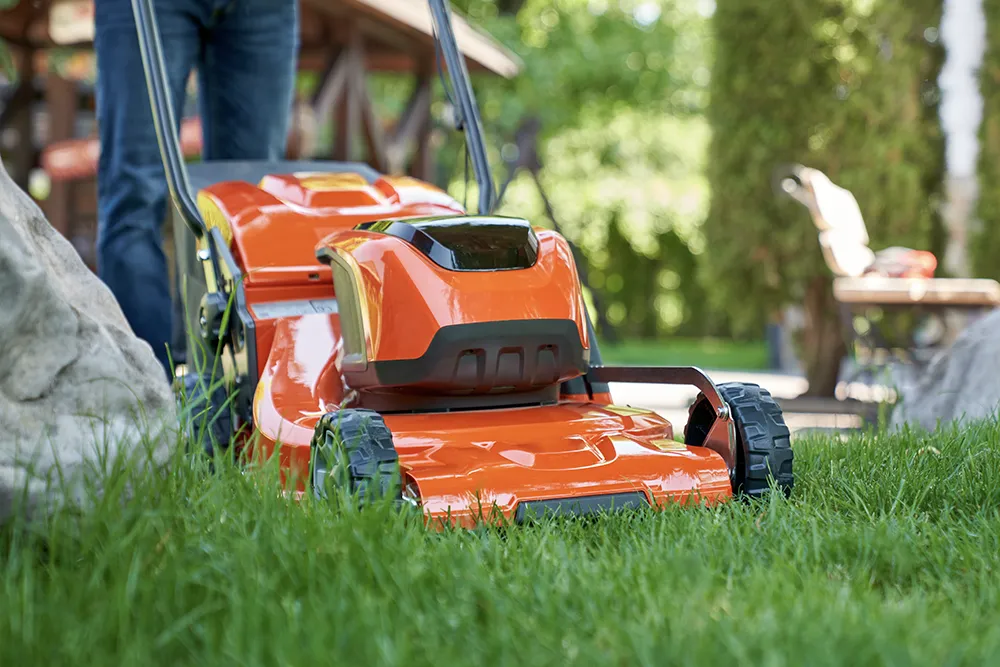
Advanced mowing focuses on control, planning, and adjustment. You reduce turf damage by managing slope direction, learn how to maneuver around trees without tearing grass, and protect cut quality by setting the cutting deck height to match ground conditions.
Mowing on Hills and Slopes
A zero-turn lawn mower is a riding mower that steers by controlling each rear wheel independently, which changes how it handles slopes. You should mow up and down hills, not across them, because side travel increases the risk of sliding.
Keep your speed low and steady. Sudden lever moves shift weight fast, which can break traction. For the user, this means smoother control and fewer torn spots. If the mower feels unstable, drive straight down to level ground without turning.
Follow these slope rules:
- Maximum slope: stay under 15 degrees unless the manual states otherwise
- Deck position: raise cutting deck height by 0.5–1 inch to avoid scalping
- Surface check: mow only on dry grass for tire grip
Navigating Obstacles and Trees
Obstacles demand slow, planned movement. When you maneuver around trees, start by mowing a wide circle to define space and protect bark. This method works because the mower pivots at its center, not the front axle.
Use short, controlled lap bar movements. Large inputs cause wheel spin, which damages grass at the base of trees. In practice, this translates to cleaner edges and healthier roots. For fences or beds, keep the deck edge parallel and adjust in small increments.
Helpful techniques include:
- Approach obstacles at low speed
- Use the mower’s inside rear tire as a visual guide
- Finish tight areas with a straight exit, not a sharp pivot
Maintaining Cut Quality on Uneven Terrain
Uneven ground challenges blade contact and deck balance. You protect cut quality by adjusting cutting deck height, which sets how close the blades run to the soil.
A higher setting allows the deck to float over dips. For the user, this means fewer scalped patches and more even color. Set the deck 0.5–1 inch higher than normal on rough areas. Avoid chasing a low cut. Consistent height matters more than cutting short.
Check these key points:
- Level the deck side to side before mowing
- Reduce speed so blades fully cut each pass
- Overlap rows by 3–4 inches to catch missed grass
How to Maintain a Zero-Turn Mower?
A zero-turn mower uses two drive wheels with separate controls, allowing tight turns. Keep key parts in good working order.
Check and change engine oil and air filters regularly to reduce friction and heat. Inspect hydraulic fluid often to ensure smooth steering and proper power to each wheel. Set cutting deck height before mowing; 2.5–3 inches keeps lawns healthy.
Clean the mower after each use to prevent rust from trapped moisture. Store it in a dry space to protect metal and electrical components.
Use this basic upkeep checklist:
- Before mowing: Check oil, hydraulic fluid, and tire pressure
- After mowing: Clean the deck and blades
- Monthly: Inspect belts, blades, and fasteners
FAQs
How do you effectively mow slopes or hills with a zero-turn mower?
To mow slopes safely with a zero-turn mower, drive straight up and down rather than across. Move the control levers smoothly and slowly to prevent wheel spin, and always follow the slope limits in your owner’s manual (usually 10–15°). This approach maintains traction, avoids sliding, and protects both you and the mower.
What are the critical safety tips for stopping a zero-turn mower?
A zero-turn mower stops when both control levers are returned to neutral, which slows the hydraulic drive motors. Engage the parking brake once fully stopped to prevent rolling on flat ground or slopes.
Always disengage the blades before shutting off the engine. This stops blade rotation via the clutch and reduces the risk of thrown debris during shutdown.
How can you engage the cutting blades on a zero-turn mower?
Engage the cutting blades using the mower clutch, typically controlled by a pull knob or switch. Set the throttle to a fast idle first to ensure smooth engagement, reduce belt wear, and achieve a cleaner cut.
Lower the deck to the desired height before moving forward. This maintains a consistent cutting height and prevents scalping the grass.
Want to Know More About Our Products?
View All Products Now