Electric vs. Gas Chainsaw: Which One is Better?
Jump to section
An electric vs gas chainsaw choice comes down to this: electric chainsaws are suitable for light, close‑to‑home cutting, while gas chainsaws are better for heavy, long jobs where power and range matter. An electric chainsaw runs on a motor powered by a cord or battery, whereas a gas chainsaw uses a two‑stroke engine fueled by gasoline and oil. Because of this design, gas models deliver higher chain speed and torque, enabling the cutting of thick hardwood without stopping.
This guide breaks down how gas chainsaws and electric chainsaws work, the key differences in power, noise, maintenance, and runtime, and how to choose the right chainsaw for a yard or job site. It also explains when a battery chainsaw makes sense and when gas remains the better tool, based on safety data, common bar sizes, and typical cutting tasks.
What Are Gas Chainsaws?
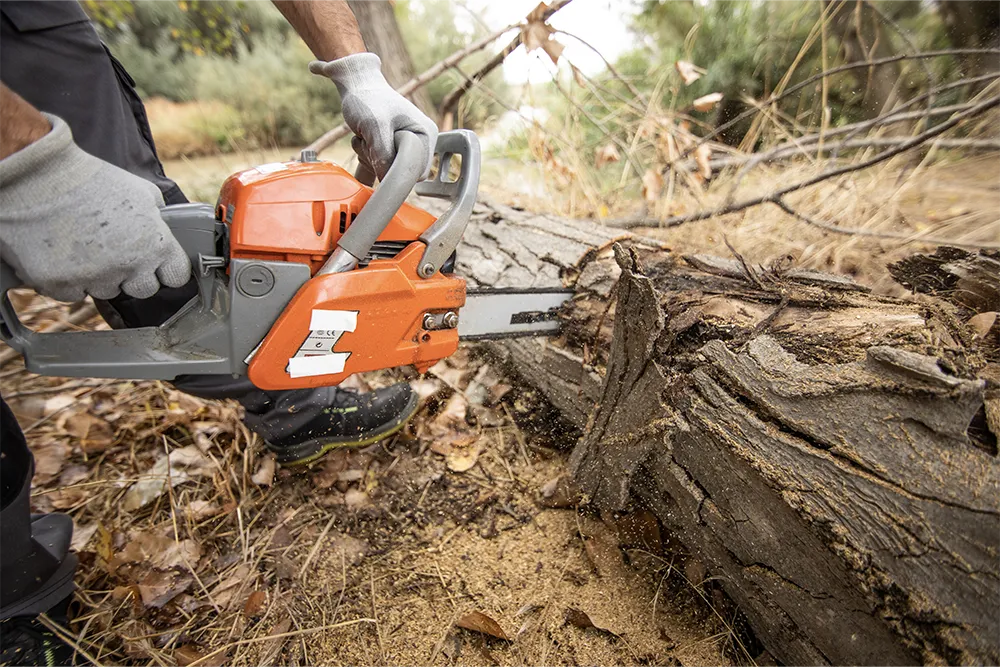
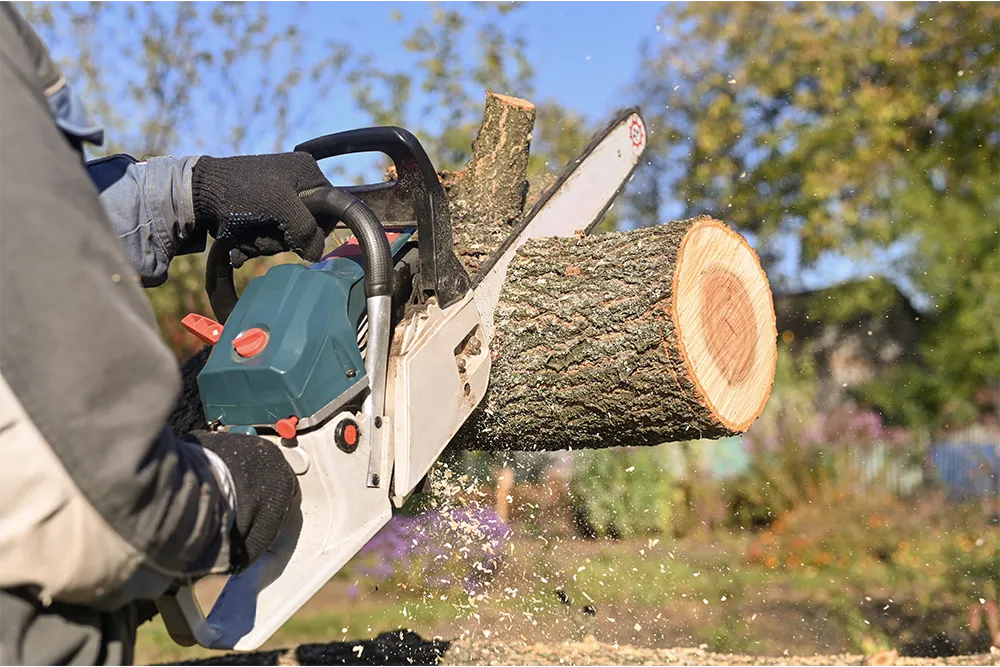
A gas chainsaw is a chainsaw powered by a small gasoline engine that drives the cutting chain around a guide bar. The engine is started with a pull cord, which burns fuel to spin a clutch and sprocket. Because the engine produces its own power, no outlet or battery is required.
Gas chainsaws come in many sizes and types:
- Light-duty models (25–40cc) for pruning and small trees
- Mid-range models (40–60cc) for firewood and storm cleanup
- Professional models (60cc+) for large trees and frequent use
Pros of Gas Chainsaws:
- The operator can work far from power sources.
- Higher engine displacement supports larger bars and deeper cuts.
Cons of Gas Chainsaws:
- Fuel and oil must be mixed, and the engine requires regular maintenance.
- The engine adds weight and produces exhaust, affecting comfort during long jobs.
What Are Electric Chainsaws?
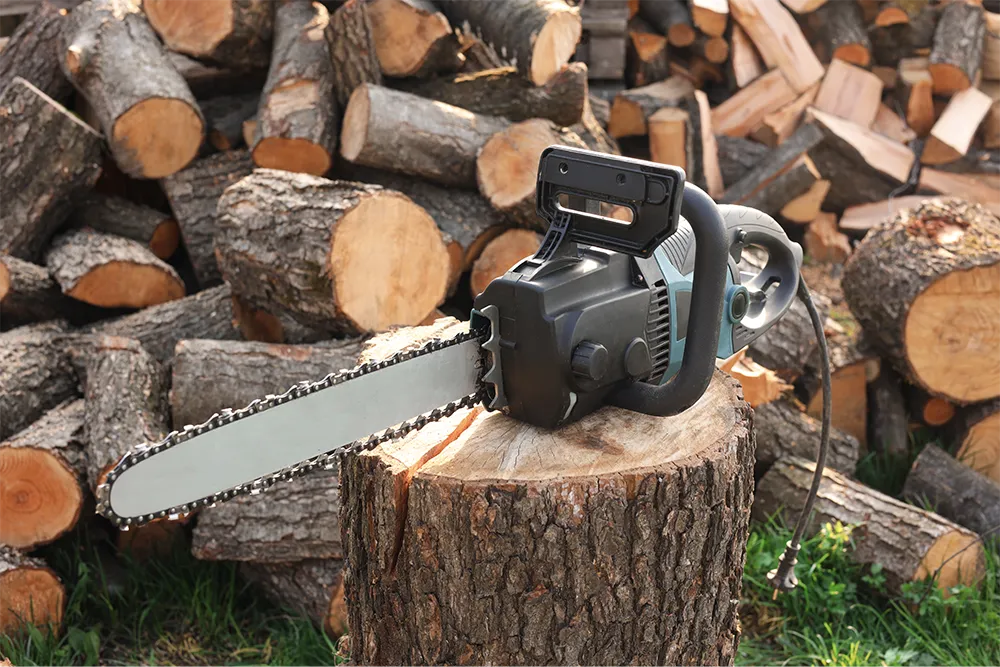
An electric chainsaw is a chainsaw that uses an electric motor instead of a gasoline engine to drive the cutting chain. It is powered by either a wall outlet (corded electric chainsaw) or a rechargeable battery (battery-powered or cordless chainsaw).
| Type | Power Source | Implication |
| Corded chainsaw | Wall outlet | Provides steady power but is limited by cord length |
| Battery-powered chainsaw | Rechargeable battery | Offers full mobility but runtime depends on battery size |
Pros of Electric Chainsaws:
- Lower noise levels because the electric motor replaces a combustion engine.
- Less routine maintenance since there is no fuel system.
- Lighter weight than many gas chainsaws, reducing operator arm fatigue.
Cons of Electric Chainsaws:
- Less cutting power than most gas chainsaws, especially in thick hardwood.
- Corded models restrict movement, while battery models stop when the battery drains.
Gas vs Electric Chainsaw: What are the Key Differences?
A chainsaw is a power tool that uses a rotating chain with cutting teeth to cut wood. Gas and electric chainsaws differ most in power source, cutting ability, noise, upkeep, and daily use.
A quick glance at the differences between gas and electric chainsaws:
- Performance and Cutting Capacity: Gas chainsaws can cut thick hardwood and large logs, while electric chainsaws are suitable for branches and small trees.
- Ease of Use and Noise: Electric chainsaws are quieter, and gas saws are heavier.
- Safety Features and User Protection: Both types include chain brakes, hand guards, and throttle locks.
- Maintenance and Operating Costs: Gas chainsaws require regular care and higher costs, while electric chainsaws require less upkeep.
- Durability and Lifespan: Gas chainsaw durability depends on maintenance, while electric chainsaw longevity relies on battery health.
- Environmental and Practical Considerations: Gas chainsaws emit exhaust, while electric chainsaws produce no direct emissions.
Performance and Cutting Capacity
A gas chainsaw uses a gasoline engine measured by engine displacement in cubic centimeters (cc). Common homeowner models range from 35–50 cc, allowing the cutting of thick hardwood and large logs. The high-torque engine maintains chain speed under load, which reduces stalls when cutting dense wood.
An electric chainsaw uses a motor rated by amps (corded) or volts and amp-hours (battery). A corded electric chainsaw often draws 12–15 amps, suitable for branches and small trees. Battery-powered chainsaws trade runtime for mobility, making them ideal for light to medium cutting rather than long sessions on thick logs.
Ease of Use and Noise
Electric chainsaws start with a switch or trigger, avoiding pull cords, fuel mixing, and warm-up steps. Fewer moving parts reduce vibration, resulting in less hand fatigue during short jobs.
Gas chainsaws require pull-start and choke settings. They weigh more due to the engine and fuel tank. Noise levels often exceed 100 dB, so hearing protection is necessary. Electric chainsaws generally run quieter, making them easier to use near homes or neighbors.
Safety Features and User Protection
Both types include chain brakes, hand guards, and throttle locks. A chain brake stops the chain during kickback via a spring-loaded band, which reduces injury risk when the bar tip contacts wood.
Electric chainsaws often add instant motor stop when the trigger is released, stopping the chain faster than gas chainsaws, which continue idling unless the brake is engaged. Battery chainsaws may include electronic overload protection, which limits current draw to protect the motor during tough cuts.
Maintenance and Operating Costs
Gas chainsaws require regular care, including fuel management, spark plugs, air filters, and carburetor tuning. Sawdust and oil debris can clog parts, increasing maintenance time and cost each season.
Electric chainsaws need less upkeep. Operators focus on bar oil, chain tension, and sharpening. Corded models avoid battery replacement costs, while cordless models experience battery wear over time, with packs rated by charge cycles. Electricity costs less than fuel per hour, reducing long-term operating expenses.
Durability and Lifespan
Gas chainsaws use metal engine parts designed for heat and load. With proper maintenance, many last for years of heavy use; neglect can shorten lifespan rapidly.
Electric chainsaws rely on sealed motors and electronics, with fewer moving parts reducing wear points. Corded models often last longer than battery models, whose runtime diminishes as battery capacity decreases.
Environmental and Practical Considerations
Gas chainsaws emit exhaust and require fuel storage. People must handle spills and fumes, especially in enclosed areas. For users, this limits indoor or tight-space use.
Electric chainsaws produce no direct emissions at the tool. They fit indoor work and quick outdoor jobs. A cordless chainsaw offers full mobility but limited runtime. A corded electric chainsaw needs an outlet or generator, which restricts range.
How to Select Between Electric and Gas Chainsaw?
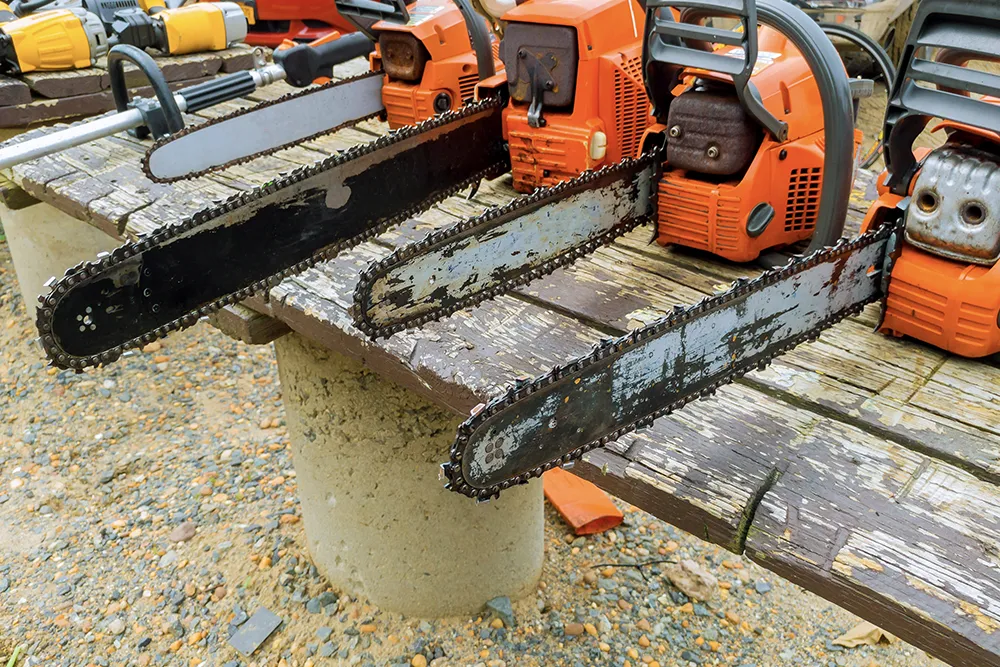
How to Select Between Electric and Gas Chainsaw
Selecting the right chainsaw requires matching the tool to the operator’s work. A chainsaw is a motor-driven saw that cuts wood using a rotating chain with sharp teeth.
Factors to consider when selecting a chainsaw include:
- Type of work planned
- Power source and access
- Environmental impact
- Weight and length
A chainsaw should be chosen based on the type of work. For firewood or small branches under 6 inches, an electric chainsaw with a 12–14 inch bar provides steady power without fuel. For felling trees or cutting thick hardwood, a gas chainsaw with a 16–20 inch bar delivers higher torque and faster cuts.
Power source and access should also be considered. Corded electric saws are quiet and emission-free but limited by outlets. Battery models provide mobility but have limited runtime. Gas chainsaws support long, remote jobs but produce emissions.
Environmental impact is another factor. Electric models produce zero on-site emissions, which lowers the carbon footprint during use. Gas models release exhaust gases, increasing emissions, especially during extended work sessions.
Finally, the weight and bar length should be suitable for the operator. This ensures safer cuts and reduces fatigue.
When to Choose Gas Chainsaws?
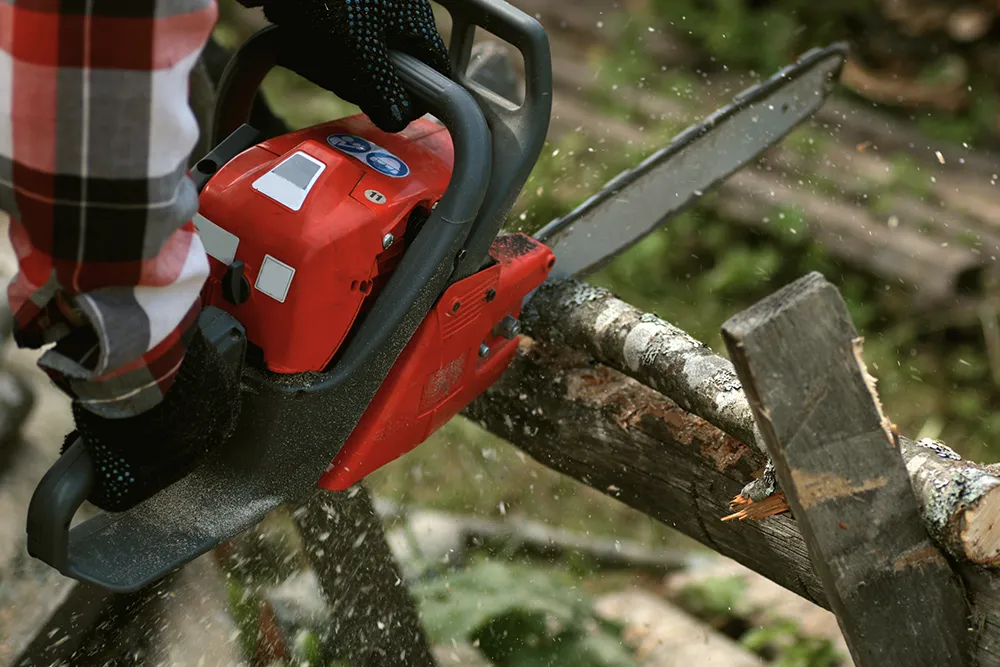
A gas chainsaw is powered by a gasoline engine that drives the cutting chain through a clutch and sprocket system. This type is recommended when the work requires high cutting force and long run times away from power sources.
A gas chainsaw should be selected when the operator plans on felling trees with trunks over 10 inches wide. Gas engines produce higher chain speed and torque due to larger internal combustion engine displacement. In practice, this allows the saw to maintain cutting speed in dense hardwood without stalling.
Gas chainsaws are also suitable for cutting firewood in large volumes. A typical gas model runs 15–20 minutes per fuel tank, and it can be refueled in minutes. This allows continuous work without waiting for batteries to recharge. Remote work sites favor gas chainsaws because they operate without cords or charging stations. This is important when storms block roads or when working on large properties.
Operators should also consider emissions and carbon footprint before selecting gas. Gas engines burn fuel and release exhaust gases, increasing environmental impact compared to electric models. Gas chainsaws are best when power requirements outweigh environmental concerns.
A gas chainsaw is appropriate when these conditions match the operator’s needs:
- Cutting thick hardwood or large logs
- Requiring fast refueling instead of charging
- Working far from electrical outlets
- Accepting higher noise and emissions
When to Choose Electric Chainsaws?
An electric chainsaw uses an electric motor powered by a cord or a battery. This type is suitable when work is close to home and involves light to medium cutting tasks. Electric chainsaws are ideal for routine yard work, such as trimming branches or cutting firewood under 8 inches thick. The motor delivers steady chain speed without fuel mixing.
Electric chainsaws produce no direct emissions, lowering the carbon footprint at the tool level. Maintenance is simple because electric motors lack carburetors, spark plugs, and fuel lines. Operators only need to add bar oil and maintain chain sharpness. This allows more time spent cutting and less time on servicing the saw.
Electric chainsaws are ideal when felling trees is not the main goal. Most models use shorter guide bars, often 10–16 inches, limiting cutting depth. Power access should also be considered. Corded models require an outlet within extension-cord range, while battery models depend on charge capacity.
Electric chainsaws are recommended when:
- Jobs involve small trees, limbs, or firewood
- Lower noise and zero exhaust are desired
- Low maintenance is preferred
FAQs
How do electric chainsaws perform when cutting large trees?
Electric chainsaws can cut small to medium trees but are slower on large trunks.
Most models have 10–18 inch bars and motors limited to 12–15 amps (corded) or 40–80 volts (cordless), which restricts cutting power for very thick wood.
Gas chainsaws perform better on large trees.
They deliver higher torque at the chain, reducing stalling and making it easier to cut thick or hard wood in fewer passes.
Are electric chainsaws as powerful as petrol?
No, Electric chainsaws are not as powerful as petrol chainsaws. Petrol models use 40–70cc two-stroke engines, providing higher chain speed and torque. Electric motors in consumer saws have limited sustained power, which can make cutting dense wood slower. Petrol saws maintain power over long sessions, reducing pauses during demanding jobs.
Do electric chainsaws have enough power?
Yes, Electric chainsaws have enough power for moderate tasks. They work well for pruning, storm cleanup, and firewood up to moderate diameters, delivering instant torque for smooth control. For frequent cutting of large trees, a petrol chainsaw is better suited.
Want to Know More About Our Products?
View All Products Now