Руководство по выбору газонокосилки: как выбрать лучшую косилку для вашего сада
Перейти к разделу
Руководство по выбору газонокосилки поможет вам подобрать подходящую модель, учитывая размер вашего газона, рельеф местности, высота среза потребностям и бюджету. Это важно, поскольку для небольшого ровного двора нужна другая газонокосилка, чем для большого или расположенного на склоне, а неправильный выбор приведет к потере времени и денег.
Вы также узнаете, как выбрать газонокосилку с учетом планировки участка и типичных ошибок при покупке. В руководстве объясняется, почему диапазон высоты среза, система самоходного привода и вес косилки влияют на повседневное использование. На практике это поможет вам выбрать косилку, которая подойдет именно для вашего участка и графика работы.
Какие бывают типы газонокосилок?
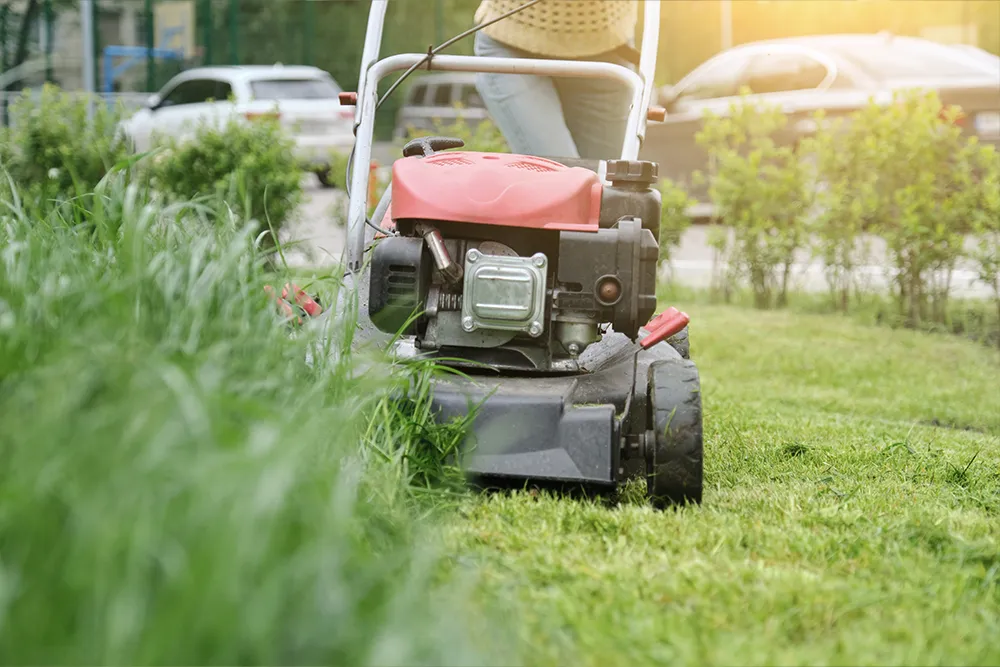
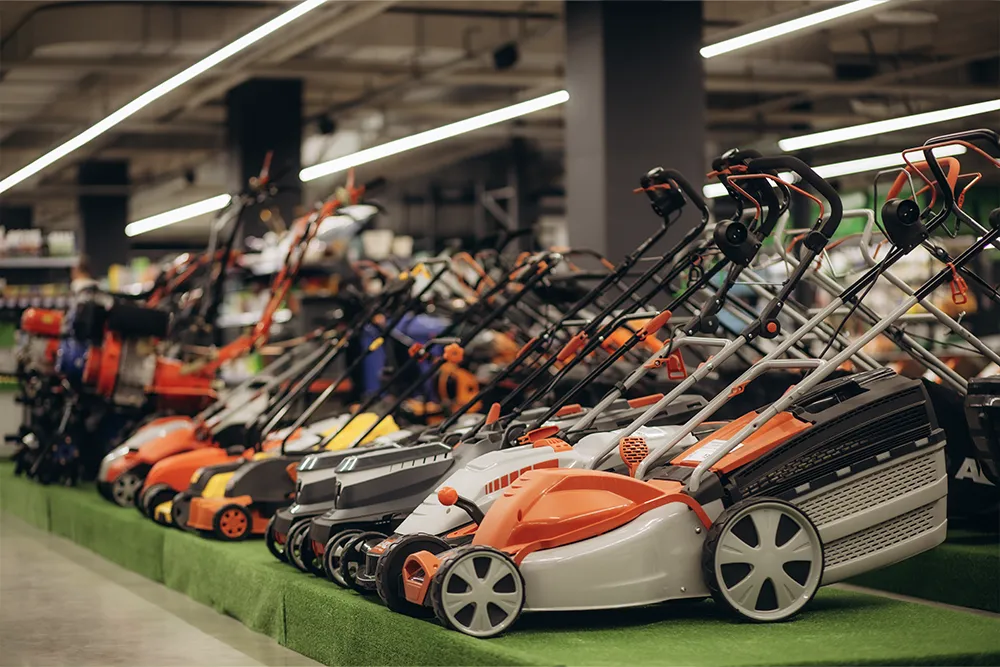
Типы газонокосилок подразделяются на группы в зависимости от способа привода, типа управления (ручное или самоходное) и способа стрижки травы. Каждый тип подходит для газонов определённого размера, рельефа местности и уровня физической нагрузки, поскольку конструктивные особенности влияют на маневренность и эффективность стрижки.
Ниже приведена таблица, в которой представлены типы газонокосилок, а также их преимущества и недостатки:
| Тип | Что это такое | Плюсы | Минусы |
| Ручная косилка с барабаном / барабанная косилка | Ручная косилка с цилиндрическими ножами, работающими по принципу ножниц | Без топлива и батареи; низкий уровень шума; мало деталей | Требует частого кошения; плохо справляется с высокой травой |
| Ручная косилка | Ручная газонокосилка, которую перемещают вручную | Более низкая стоимость; более легкие рамы | Требует усилий на подъемах |
| Самоходная косилка | Ручная газонокосилка с приводом | Снижает усилие, необходимое для толкания, поскольку колеса тянут вперед | Более тяжелый; более высокая цена |
| Газонкосилка-трактор | Газонкосилка с сиденьем и широкой режущей декой | Благодаря более широкой ширине реза обрабатывает большие площади быстрее | Требуется место для хранения |
| Мотоциклист с задним расположением двигателя | Компактный газонокосилка-трактор с двигателем сзади | Более крутой радиус поворота благодаря более короткой колесной базе | Меньшие палубы ограничивают скорость |
| Газонный трактор / газонные тракторы | Газонокосилки с передним расположением двигателя и буксировочным устройством | Тянет тележки, поскольку рамы поддерживают навесное оборудование | Больший размер требует больше места для хранения |
| Газонокосилка с нулевым радиусом поворота / газонокосилки с нулевым радиусом поворота | Газонокосилки с двумя рычагами для разворота на месте | Быстрее обходит препятствия благодаря поворотам с нулевым радиусом | Более крутой график освоения |
| Роботизированная газонокосилка | Газонокосилка с аккумуляторным питанием, работающая по расписанию | Часто происходит сбой, поскольку движение регулируется датчиками | Требуется установка с использованием ограждающих проводов |
Выбирайте один из этих типов газонокосилок с учетом площади газона, наличия уклонов и препятствий, а также того, сколько времени вы готовы уделять уходу за газоном каждую неделю.
Как выбрать газонокосилку?
Выбирая газонокосилку, необходимо учитывать размер участка, рельеф местности, тип травы, источник питания и функции, которые соответствуют вашему стилю кошения. Правильный выбор сокращает время кошения, снижает затраты на уход и позволяет поддерживать траву в здоровом состоянии.
- Оцените размер и планировку вашего газона
Площадь газона определяет, какой класс газонокосилки вам нужен. Измерьте площадь в квадратных футах, а затем обратите внимание на препятствия, такие как деревья и клумбы.
Воспользуйтесь этим руководством:
| Площадь газона | Лучшие варианты |
| Менее 1/4 акра | Газонокосилка с шнуром, беспроводная электрическая газонокосилка, небольшая бензиновая косилка |
| 0,1–0,2 га | Газонокосилка с аккумуляторным питанием, газонокосилка |
| 0,5–1 акр | Газонокосилки с широкой платформой |
| более 1 акра | Газонкосилка-трактор |
Сетевая газонокосилка питается от розетки, что ограничивает радиус действия. Для пользователя это означает меньшее количество зарядок аккумулятора, но необходимость внимательно следить за шнуром. A беспроводная газонокосилка работает от батареек, поэтому вы можете свободно обходить препятствия. Конфигурация имеет значение, поскольку на крутых поворотах преимущество получают более легкие доски и более узкие модели.
- Оцените рельеф вашего газона и тип травы
Рельеф местности влияет на сцепление с поверхностью и контакт ножей с травой. На ровных газонах можно использовать большинство газонокосилок. На склонах требуется система помощи при движении.
A самоходная газонокосилка использует колеса с приводом от двигателя. Поскольку колеса тянут платформу вперед, вы сохраняете скорость на спусках. Для пользователя это означает меньшие усилия при толкании и более ровную стрижку. Многие электрическая газонокосилка Эти модели оснащены задним приводом, что позволяет преодолевать небольшие подъемы.
Вид травы определяет высоту стрижки. Травы холодного сезона лучше сохраняют здоровье при высоте 2,5–4 дюйма. Травы теплого сезона переносят высоту 1–3 дюйма. Слишком низкая стрижка вызывает стресс у корней, поскольку при этом удаляется площадь листьев, питающих растение. На практике высоту регулируют так, чтобы избежать появления бурых пятен и сорняков.
- Выберите подходящий источник питания
Тип источника питания влияет на уровень шума, простоту обслуживания и время автономной работы.
Различные модели газонокосилок и их источники питания:
- Газонокосилка: Газонокосилка с бензиновым двигателем сжигает топливо в небольшом двигателе. Благодаря высокому крутящему моменту ножей она способна косить густую или влажную траву. Для пользователя это означает меньше заглохновений, но при этом необходимо регулярно менять масло и хранить топливо.
- Электрическая газонокосилка (сетевая): Он подключается к розетке. Поскольку напряжение остается постоянным, время работы не сокращается. Для пользователя это означает стабильную резку при ограниченном радиусе действия.
- Беспроводная электрическая газонокосилка: Ее также называют аккумуляторной косилкой. Поскольку литий-ионные аккумуляторы накапливают энергию, время работы на одной зарядке составляет от 30 до 60 минут. Для пользователя это означает бесшумную стрижку газона с возможностью заряжать косилку по графику.
Уровень шума имеет значение вблизи жилых домов. Уровень шума у электрических моделей обычно не превышает 75 дБ, тогда как у газонокосилок на бензине он часто превышает 90 дБ.
- Сравнение регулировки ширины и высоты реза
Ширина кошения определяет скорость выполнения работы. Более широкие деки сокращают количество проходов, но при этом весят больше.
Различная ширина реза и подходящие случаи:
- 14–16 дюймов: Небольшие дворы и ограниченные пространства
- 18–21 дюйм: В большинстве домов
- 22+ дюйма: Более просторные газоны
Регулировка высоты способствует сохранению здоровья газона. Выбирайте систему регулировки высоты с одним рычагом и 5–7 положениями. Поскольку один рычаг одновременно перемещает все колеса, высоту можно изменить быстро. Для пользователя это означает меньше остановок и более ровный срез.
Мульчирование тоже имеет значение. Мульчирующий нож мелко измельчает скошенную траву, возвращая азот в почву. На практике это позволяет сократить потребность в удобрениях при еженедельном кошении.
- Учитывайте удобство использования и хранения
Удобство в использовании влияет на то, как часто вы косите. Важную роль играют вес, конструкция рукоятки и способ запуска.
Вес электрической газонокосилки обычно составляет 16–27 кг, тогда как вес бензиновой модели может превышать 32 кг. Поскольку более легкие корпуса косилок легче поворачивать, вам потребуется меньше усилий для маневрирования вокруг клумб. Кнопочный запуск на аккумуляторных косилках позволяет обойтись без шнура запуска. Для пользователя это означает более быстрый запуск и меньше неудачных попыток запуска.
Ограниченное пространство для хранения сужает выбор. Складные ручки позволяют уменьшить высоту при хранении на 30–40 см. Вертикальное хранение лучше всего подходит для герметичных электрических платформ, так как исключает утечку топлива.
- Сбалансированность бюджета, техническое обслуживание и долгосрочная ценность
Цена зависит от мощности и комплектации, но расходы на обслуживание влияют на общую стоимость.
Ниже приведены ценовые диапазоны различных моделей газонокосилок:
- Газонная косилка с шнуром питания: Более низкие первоначальные затраты; практически не требует обслуживания
- Аккумуляторная газонокосилка: Средняя ценовая категория; замена аккумулятора каждые 3–5 лет
- Газонокосилка с бензиновым двигателем: Широкий диапазон цен; ежегодная замена масла, фильтров и свечей зажигания
Поскольку газовые двигатели имеют больше движущихся частей, они требуют планового технического обслуживания. Для пользователя это означает более высокие годовые расходы, но при этом возможность длительной работы без подзарядки. Электрические модели отличаются меньшим временем работы, но зато требуют меньших затрат на обслуживание. Выбирайте, исходя из того, как часто вы косите газон и насколько вы готовы заниматься его обслуживанием.
Какие ошибки чаще всего допускают при покупке газонокосилки?
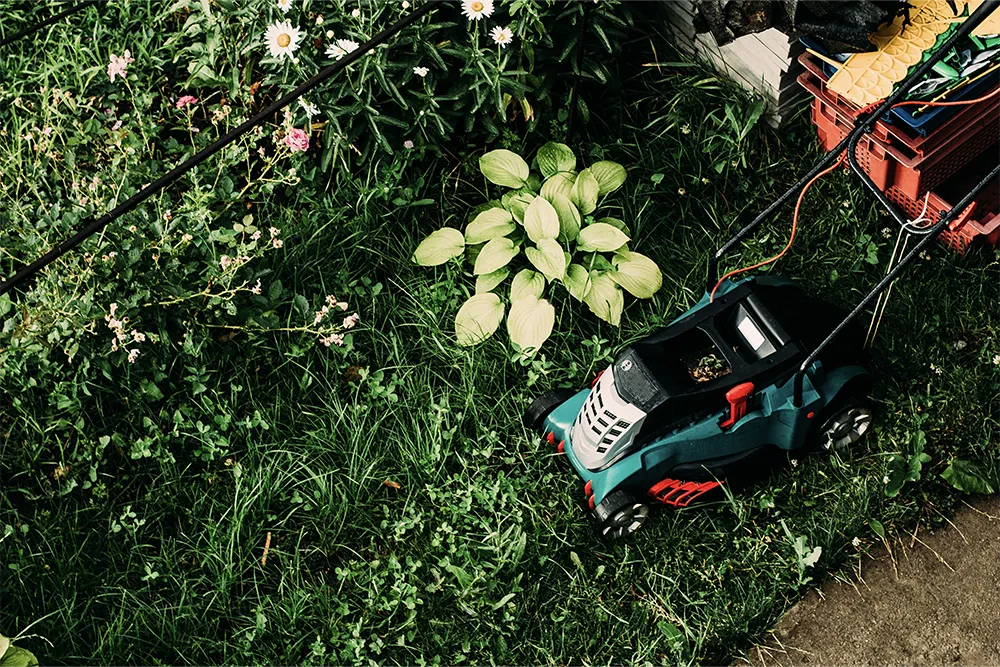
Часто возникают проблемы, если не уделить должного внимания основным проверкам вашего участка. Площадь газона, его уклон и тип травы влияют на то, как косилка косит и передвигается. Если игнорировать эти факторы, косилка может заглохнуть, пропустить некоторые участки или потратить гораздо больше времени на выполнение работы.
Обзор типичных ошибок:
- Как определить ширину террасы без измерения участка
- Покупка генератора мощностью, превышающей потребности вашего газона
- Игнорирование потребностей в долгосрочном техническом обслуживании
- Недостаточное внимание к вопросам хранения и безопасности
Многие покупатели выбирают не то, что нужно размер колоды. Режущий механизм — это корпус, который закрывает нож и определяет ширину кошения. Широкий ширина палубы, например 22 дюйма, позволяет скосить больше травы за один проход, что сокращает время кошения. На практике это также затрудняет выполнение крутых поворотов вокруг деревьев и клумб.
Проблемы возникают и в связи с хранением и электропитанием. Газонокосилки на бензине требуют места для хранения топлива и регулярной замены масла. Аккумуляторные модели зависят от времени работы и места для зарядки. Вам следует заранее проверить, хватит ли места в гараже и есть ли доступ к источнику питания, прежде чем совершать покупку.
Решения, основанные исключительно на цене, также приводят к разочарованию. Низкая первоначальная стоимость может скрывать повышенный расход топлива, короткий срок службы лопастей или ограниченный объем гарантии. Эти детали влияют на то, как часто вам придется ремонтировать или заменять детали.
К типичным ошибкам при стрижке относятся игнорирование настроек стрижки и мер безопасности. Функция мульчирования возвращает мелкие обрезки в почву, а функция сбора в мешок позволяет их собрать для удаления. Системы торможения ножей останавливают ножи при отпускании рукоятки, что снижает риск получения травм при нормальном использовании.
Вопросы и ответы
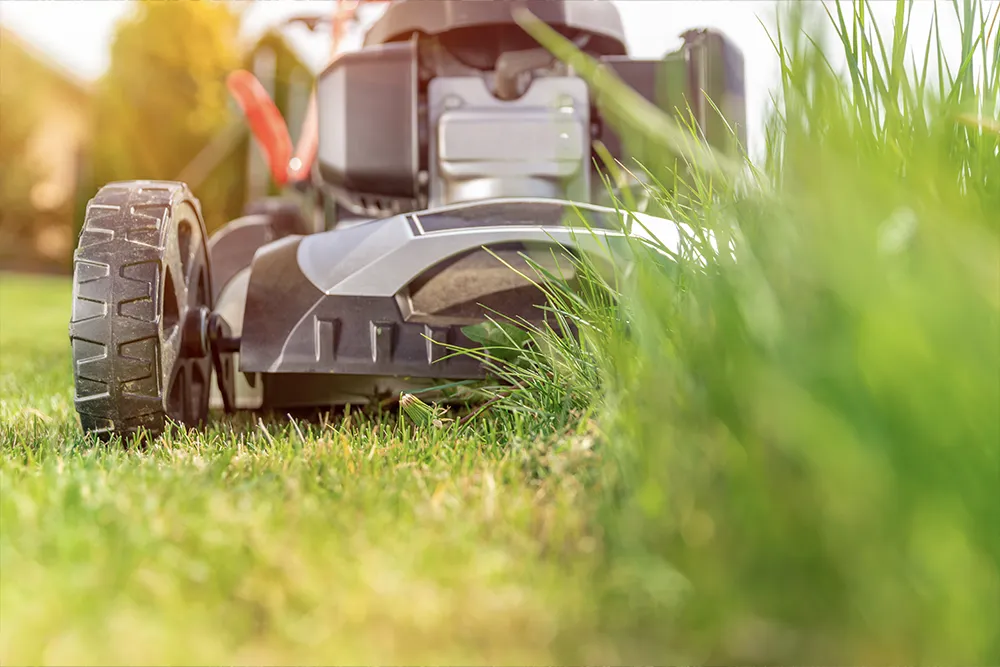
Как мощность двигателя и размер ножей влияют на производительность газонокосилки?
Мощность двигателя — это его номинальная мощность, измеряемая в кубических сантиметрах (куб. см) для бензиновых моделей или в вольтах и ампер-часах для электрических. Более высокая мощность обеспечивает стабильную скорость вращения лезвия под нагрузкой, поскольку двигатель не пробуксовывает в густой или мокрой траве; для вас это означает меньше пропущенных участков.
Размер лезвия составляет ширина реза, измеряемая в дюймах. 21-дюймовый нож за один проход обрабатывает большую площадь, чем 16-дюймовый, поскольку описывает более широкую дугу; на практике это позволяет быстрее убирать сады средних размеров, но требует больше места для хранения.
Мощность и размер лезвия должны соответствовать друг другу. Широкое лезвие в сочетании с двигателем малой мощности создает нагрузку на приводную систему, что приводит к снижению скорости вращения лезвия и неровному качеству реза.
Какое техническое обслуживание необходимо для обеспечения эффективной работы газонокосилки?
Плановое техническое обслуживание — это регулярные меры по уходу, позволяющие поддерживать детали в рабочем состоянии. Лезвия необходимо затачивать или заменять каждые 20–25 часов работы, так как острая кромка аккуратно срезает траву; благодаря этому уменьшается количество порезанных кончиков и комков.
В бензиновых газонокосилках необходимо производить замену масла каждый сезон или через каждые 25 часов работы, а также проверять состояние воздушного фильтра. Чистое масло обеспечивает надлежащую смазку, что позволяет снизить нагрев и износ во время длительной работы.
Электрические газонокосилки требуют правильного ухода за аккумуляторами. Литий-ионные аккумуляторы следует держать в сухом месте, хранить в частично заряженном состоянии и очищать вентиляционные отверстия после использования; это позволяет сохранить емкость аккумулятора и обеспечить стабильное время работы.
В чём заключаются различия между самоходными и ручными газонокосилками?
В самоходной косилке используется система привода, которая приводит колеса в движение с фиксированной или регулируемой скоростью. Поскольку колеса сами продвигают косилку вперед, вам нужно лишь направлять её, а не толкать; благодаря этому вы меньше устаете при работе на склонах и на больших газонах.
У ручной косилки нет привода на колеса. Вся тяга обеспечивается за счет усилия пользователя, что позволяет снизить вес и стоимость, поскольку в ней отсутствуют коробка передач и приводной ремень.
Выбирайте с учетом площади участка и рельефа местности. Для ровных газонов площадью до 1000 м² подойдут модели с ручным приводом, а на холмах или при длительном кошении лучше использовать самоходные модели.
Хотите узнать больше о нашей продукции?
Посмотреть все товары сейчас