Советы по уходу за электрической косилкой: как продлить срок службы и сохранить работоспособность

Перейти к разделу
Electric mower maintenance tips define the routine care you give an electric lawn mower to keep it safe and reliable. Electric mower maintenance tips focus on cleaning the deck, caring for the battery or cord, and keeping a sharp blade so the motor runs safely and cuts evenly. When you handle these basics, you reduce strain on the motor and avoid common failures.
This guide draws from manufacturer manuals and service guidance used by repair shops. You will learn why maintenance matters, which safety steps protect you before any work, how to clean and sharpen parts, how to prepare for seasonal storage, and how to follow a clear maintenance checklist. A short FAQ clears up timing, tools, and battery care questions.
Why is Electric Lawn Mower Maintenance Important?
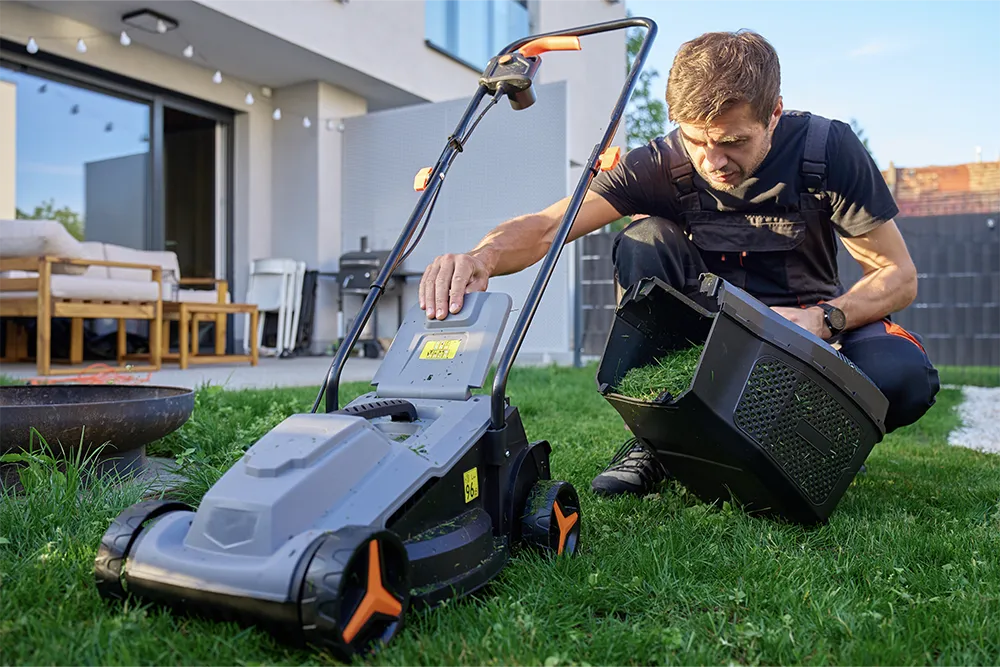
Electric lawn mower maintenance is the routine care of the mower’s battery, blade, motor, and electrical parts so the machine works as designed. These parts rely on clean connections and correct airflow, not fuel or oil, which changes what upkeep matters most.
Key areas that benefit from routine care include:
- Battery terminals: Clean contact surfaces allow steady power flow
- Blades: Sharp, balanced edges reduce motor strain
- Motor vents: Open airflow prevents heat buildup
- Deck: Clean surfaces limit rust and debris drag
Regular maintenance protects ёмкость аккумулятора, which controls run time and power. Lithium‑ion batteries lose capacity faster when heat, dirt, or deep discharge occurs. In practice, this means poor care can shorten mowing time and raise replacement costs.
Blade care affects cut quality and lawn health. A sharp steel blade cuts grass cleanly because it slices instead of tearing. For you, this means fewer brown tips and less stress on the grass after mowing.
Clean electrical parts improve motor efficiency. Electric motors cool through air vents that clog with grass and dust. When vents stay clear, the motor runs at normal temperature, which reduces overheating and early failure.
Maintenance also supports safe operation. Inspected cords, secure battery contacts, and balanced blades reduce vibration and electrical risk. For you, this means steadier handling and fewer sudden shutdowns.
What are Safety Steps to Take Before Maintaining an Electric Lawn Mower?
Disconnect the power source before you touch the mower. Unplug corded models from the outlet, or remove the battery pack from cordless models. This step matters because electric motors can start when a switch fails or gets bumped. For you, this means the blade cannot spin while your hands are near it.
Let the mower cool down after use. Motors and blades can stay hot for several minutes. In practice, waiting reduces the risk of burns when you clean the deck or inspect parts.
Wear basic protective gear. Use work gloves with cut‑resistant fabric and closed‑toe shoes with firm soles. Gloves reduce cuts from sharp blades, and solid shoes protect your feet if the mower tips.
Work on a stable, dry surface. Place the mower on flat ground and keep water away from the motor housing and battery contacts. For you, this lowers the risk of slips and electrical damage.
Check for visible damage before service. Look for frayed cords, cracked housings, or loose fasteners. If you see damage, stop and repair or replace the part before continuing.
Quick safety checklist
| Step | What you do | Почему это важно |
| Power off | Unplug or remove battery | Предотвращает случайный запуск |
| Cool down | Wait 10–15 minutes | Reduces burn risk |
| Gear on | Gloves and solid shoes | Protects hands and feet |
| Dry area | No water near electronics | Avoids electrical hazards |
How to Maintain Your Electric Lawn Mower?
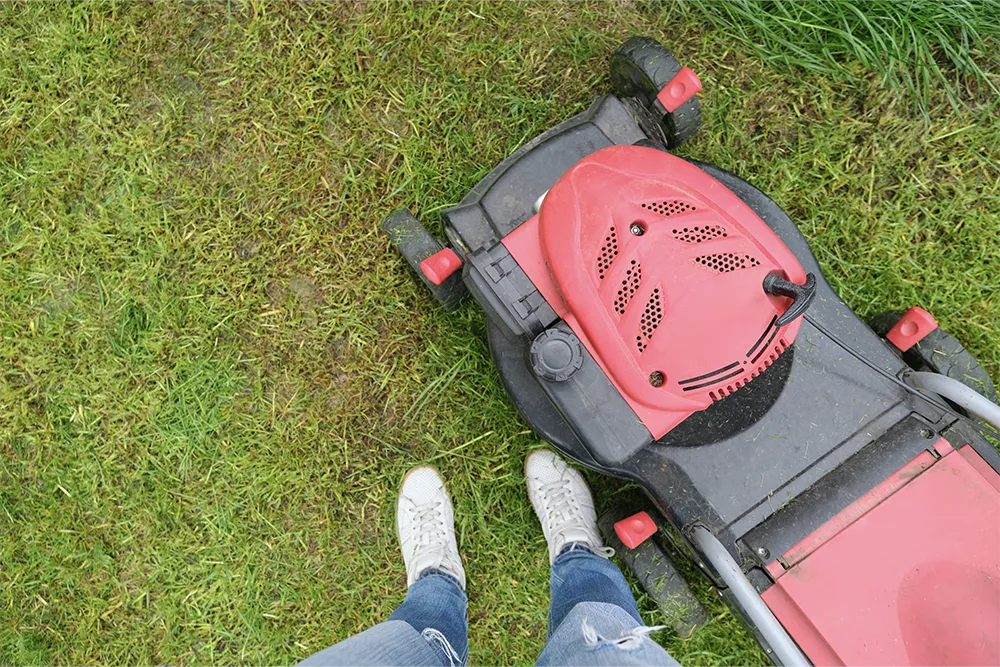
Electric lawn mower maintenance focuses on cleanliness, blade condition, battery care, and motor airflow. These tasks reduce wear, prevent electrical issues, and keep cutting results consistent.
Cleaning the Deck, Blades, and Air Vents
Сайт режущий механизм is the housing that surrounds the blade and grass discharge path. Grass clippings stick to the deck because moisture and sap act like glue, which adds weight and restricts airflow.
After each mow, disconnect power and scrape the underside with a plastic scraper or stiff brush. Avoid water because moisture can reach wiring and cause corrosion.
Clear air vents with a soft brush or compressed air. Motors rely on open vents for cooling. When vents clog, heat builds up faster, which can shorten motor life.
For you, this means fewer overheating shutdowns and steadier power while cutting.
Caring for the Battery and Electrical Connections
The battery stores and delivers power to the motor through metal contacts. Most cordless mowers use lithium‑ion batteries rated for a set number of charge cycles.
Charge only with the manufacturer’s charger. This matters because mismatched chargers can push voltage outside safe limits, which degrades cells over time.
In practice, proper charging helps the battery keep its original run time longer.
Wipe battery terminals with a dry cloth. If corrosion appears, use a cotton swab with rubbing alcohol. Store batteries at 40–60% charge in a cool, dry place. This slows chemical aging during long breaks.
Sharpening and Inspecting the Mower Blade
The mower blade is a hardened steel cutting edge that spins at high speed. A dull blade tears grass instead of slicing it, which leaves brown tips and stresses the lawn.
Sharpen the blade two times per season or after hitting sticks or rocks. Use a file or have a shop sharpen it. Keep the cutting angle the same as the original edge.
Inspect for cracks, bends, or deep nicks. Replace damaged blades because uneven mass causes vibration.
For you, this means smoother operation and less strain on motor bearings.
Checking the Motor and Moving Parts
The electric motor converts electrical energy into blade rotation using internal coils and bearings. While sealed, it still depends on clean airflow and balanced loads.
Listen during use. Grinding, burning smells, or strong vibration signal a problem that needs service. Stop using the mower if these signs appear.
Lubricate wheels and height adjusters if the manual allows it. Reduced friction lets parts move freely, which lowers stress on the frame and axles.
This keeps handling predictable and prevents premature wear on moving joints.
How to Prepare an Electric Mower for Seasonal Storage?
Preparing an electric mower for seasonal storage means cleaning, inspecting, and storing the mower so its electrical parts, blade, and battery stay in working condition during downtime. You reduce wear because dirt, moisture, and deep battery drain cause corrosion and power loss.
Start with basic prep that applies to every season. Disconnect the power source because live circuits can start the motor during service. Clean the deck with a dry brush, not water, since moisture can reach wiring and cause corrosion. Inspect the blade and tighten fasteners so vibration does not loosen parts during storage.
Store batteries at about 40–60% charge in a dry space between 40–70°F. In practice, this limits chemical stress inside the cells and helps them hold charge longer.
Cover the mower with a breathable fabric, not plastic. Airflow prevents condensation, which protects switches and connectors from rust.
Use season-specific steps to match weather and usage patterns:
| Season | Чем вы занимаетесь | Почему это важно |
| Spring | Fully charge the battery and check cords or terminals | A full charge confirms battery health and prevents short run times |
| Summer | Remove grass buildup after each use | Dry clippings trap heat, which raises motor temperature |
| Autumn | Sharpen the blade and deep clean vents | Sharp blades reduce motor load, and clear vents improve cooling |
| Winter | Store indoors and remove the battery | Cold slows chemical reactions in lithium-ion cells, which reduces capacity |
Electric Mower Maintenance Checklist
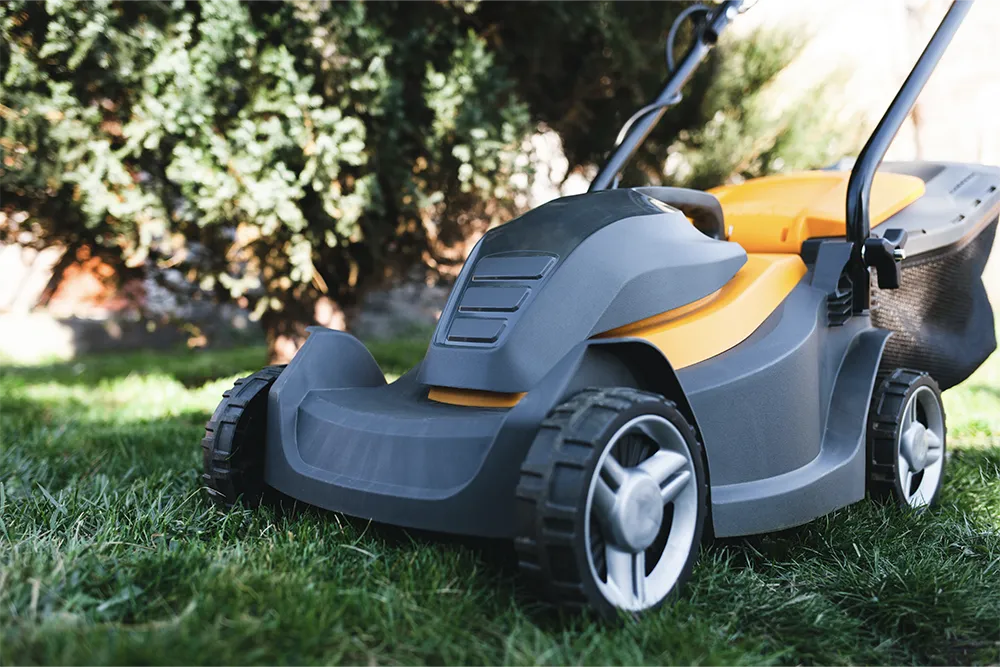
An electric mower maintenance checklist is a short, repeatable list you use to keep the mower safe, clean, and ready to cut. You follow it before use, after use, and during storage.
Before each use
- Disconnect power by unplugging the cord or removing the battery. This prevents accidental starts while you inspect parts.
- Check the blade for bends or cracks. A damaged blade causes vibration, which wears motor bearings.
- Inspect cords or battery contacts for cuts or corrosion. For you, this means fewer electrical faults during mowing.
After each use
- Brush off grass and dirt from the deck and vents. Clear vents allow airflow, which keeps the motor within safe temperature limits.
- Wipe the blade area dry. Dry metal slows rust on steel decks.
Battery care (cordless models)
- Recharge soon after mowing and avoid full drain. Lithium‑ion cells last longer when you prevent deep discharge.
- Store at 40–60% charge in a cool, dry place. In practice, this reduces capacity loss during storage.
- Clean contacts with a dry cloth or alcohol on a swab.
Seasonal tasks
- Sharpen the blade twice per season. Sharp edges cut cleanly, which reduces motor load.
- Lubricate wheels and axles as the manual states. This keeps rolling resistance low.
- Store indoors away from moisture and freezing temperatures.
Below is a table shows how often does the following maintenance need to be carried out:
| Задача | How Often |
| Inspect blade | Every use |
| Clean deck/vents | Every use |
| Sharpen blade | 2× per season |
| Battery storage check | Off-season |
Вопросы и ответы
How often should I sharpen or replace the blades on my electric mower?
You should sharpen the blade every 20–25 mowing hours or at least twice per mowing season. A sharp blade cuts grass cleanly because it has a defined edge angle, which reduces torn grass tips and lawn stress.
Replace the blade if you see cracks, bends, or deep chips. A damaged blade spins unevenly, which causes vibration that can wear motor bearings and mounting hardware.
What is the best way to clean the underside of an electric mower deck?
The best method is dry cleaning with the power disconnected. Remove the battery or unplug the cord first because electric mowers can start if power remains connected.
Use a stiff brush or plastic scraper to remove packed grass. Do not use a hose because water can reach wiring and motor vents. For you, this means lower risk of corrosion and fewer electrical faults.
Can I perform maintenance on my electric mower’s battery, and if so, how?
Yes, you can perform basic battery maintenance. Charge the battery with the manufacturer-approved charger only because charging voltage and current must match the battery’s cell design.
Store lithium-ion batteries at 40–60% charge in a cool, dry space. In practice, this slows chemical aging and helps the battery keep its original run time.
Clean battery contacts with a dry cloth or isopropyl alcohol (70% or higher). This removes residue that blocks current flow, which helps the mower deliver full power during use.
Хотите узнать больше о нашей продукции?
Посмотреть все товары сейчас