
Circular Saw vs. Jigsaw: Which One is the Best?
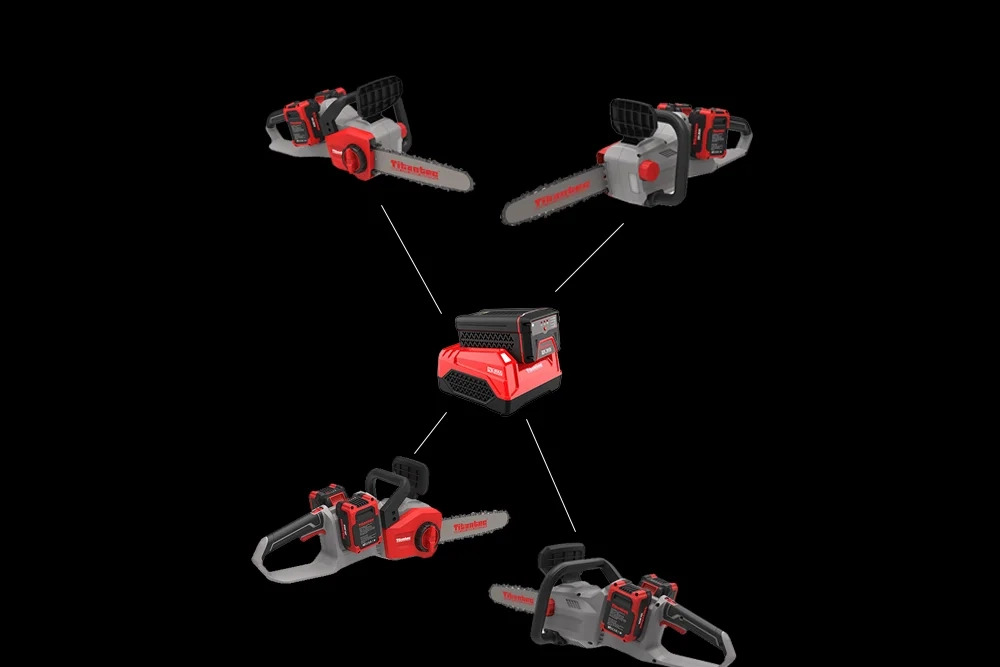
A circular saw is a power tool that uses a rapidly spinning round blade to cut materials such as wood, metal, or plastic. A jigsaw is also a power tool that cuts materials using a small, straight, reciprocating blade for making curved or intricate cuts.
Both tools have a place in any workshop. A circular saw is best for fast, straight cuts, while a jigsaw excels at curved and detailed cuts. Circular saws use a spinning blade to slice through wood, plywood, or metal with speed and power. Jigsaws, on the other hand, move a thin blade up and down to shape curves and intricate lines. Each tool has unique strengths, and understanding those differences helps users match the right saw to the job.
This guide explains how each saw works, what sets them apart, and when to use one over the other. It also answers common questions about performance, safety, and versatility so anyone can make confident, informed decisions before starting their next project.
What is a Circular Saw?
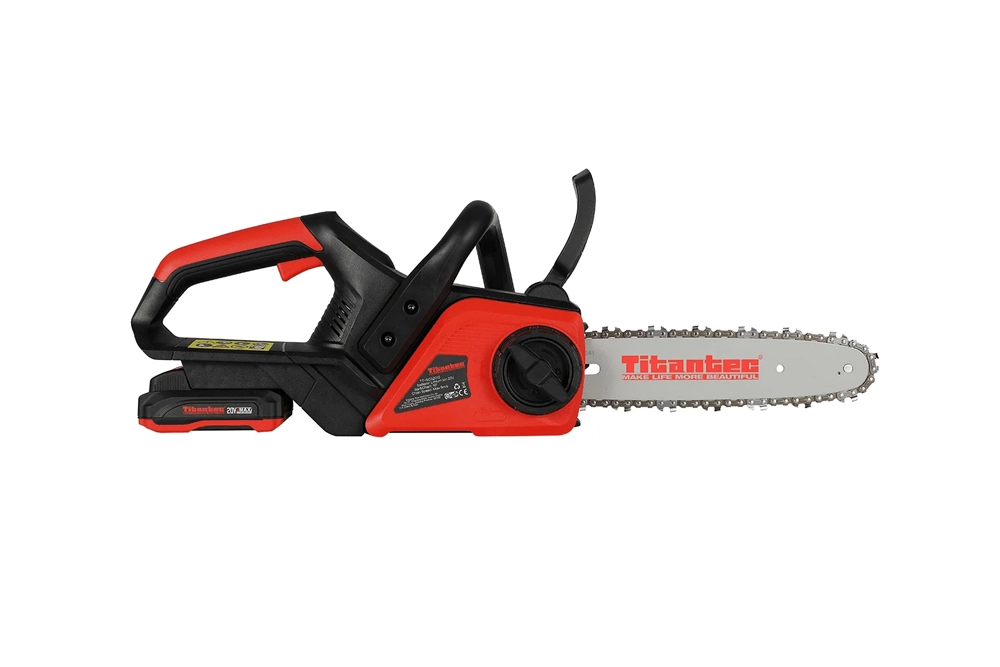
A circular saw is a handheld power tool that uses a rotating round blade to make straight cuts through materials like wood, plastic, and metal. It works by spinning the toothed blade at high speed to slice through material along a fixed line.
This tool is known for its speed and cutting power. It can handle long, straight cuts—such as ripping boards or trimming plywood—more efficiently than many other saws. Users can also adjust the cutting depth and bevel angle for angled or mitered cuts.
Circular saws come in both corded and cordless versions. Corded models offer consistent power for heavy-duty tasks, while cordless models provide better mobility for work in different locations.
Below are the advantages and limitations of circular saw:
Advantages of circular saw:
- Cuts are straight, fast, and clean.
- Works on a wide range of materials with different circular saw blades.
- Compact design makes it easy to transport and use in tight spaces.
Limitations of circular saw:
- Not suitable for curved cuts or fine detail work.
- Requires a steady hand and proper alignment for precise results.
- Produces noise and dust, so protective gear is necessary.
What is a Jigsaw?
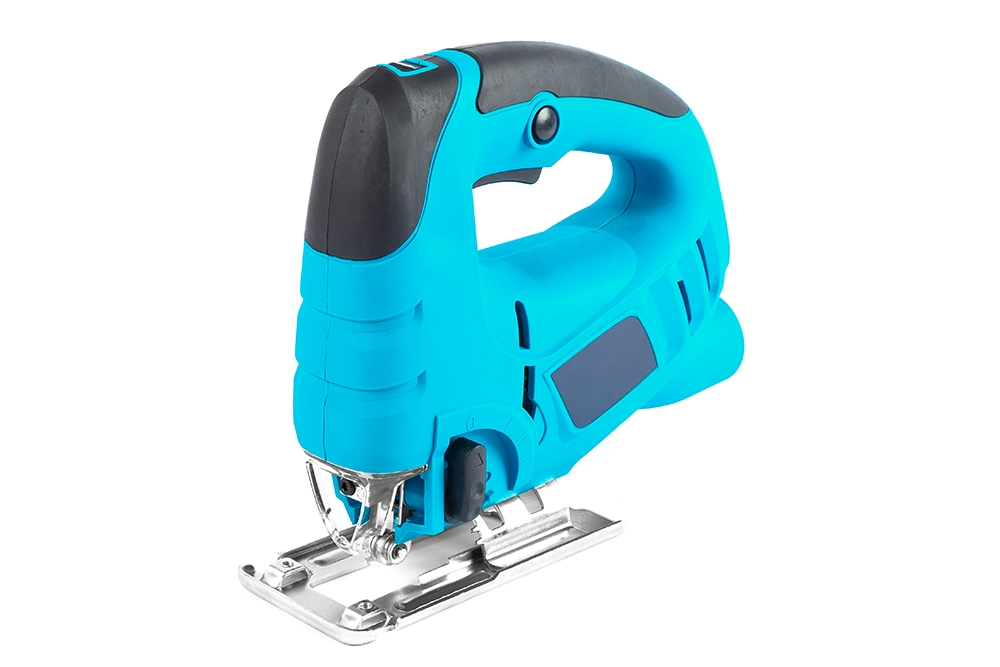
A jigsaw is a handheld power saw that uses a small, thin blade moving up and down to cut through materials like wood, plastic, and metal. It allows users to make both straight and curved cuts, making it one of the most flexible cutting tools for home and workshop use.
The tool operates with a reciprocating motion, meaning the blade moves vertically at high speed. This design gives it better control for cutting shapes, circles, and other patterns that larger saws cannot handle.Common features include variable speed settings, adjustable bases for angled cuts, and quick blade-change systems. Blades come in different types for specific materials—fine-tooth blades for metal and coarse blades for wood.
Jigsaws are often used for detailed work such as trimming laminate, cutting out sink openings, or crafting decorative pieces. They can also make plunge cuts, starting from the middle of a surface rather than an edge. Because of its light weight and control, many beginners find the jigsaw easier to handle than more powerful saws. It balances precision and safety, making it a practical choice for both DIY users and professionals.
Below are the advantages and disadvantages of jigsaw:
Advantages of jigsaws:
- Jigsaw is versatile.
- Jigsaw is lightweight, easy to maneuver, and safer for beginners.
Disadvantages of jigsaws:
- Jigsaw is slower and less precise for long straight cuts
- Jigsaw’s vibration can cause rough edges
What are the Core Differences between Circular Saw and Jigsaw?
The core differences between circular saw and jigsaw are as below:
- Cutting Mechanism and Blade Action: A circular saw uses a round, toothed blade that spins at high speed to slice through material in one continuous motion. while a jigsaw uses a thin, straight blade that moves up and down in a reciprocating motion.
- Types of Cuts: Straight vs. Curved: A circular saw excels at making straight cuts such as rip cuts, crosscuts, and bevels. A jigsaw performs best on curved cuts or irregular shapes.
- Material Compatibility: A circular saw handles dense materials, A jigsaw is more versatile for thinner or delicate materials.
- Speed: A circular saw cuts much faster than a jigsaw.
- Portability: A jigsaw is lighter and more compact than a circular saw. A circular saw requires both hands for safe operation.
Cutting Mechanism and Blade Action
A circular saw uses a round, toothed blade that spins at high speed to slice through material in one continuous motion. The blade’s rotation produces fast, straight cuts with minimal deviation. It works best when guided steadily along a marked line or with a straight edge.
A jigsaw, on the other hand, uses a thin, straight blade that moves up and down in a reciprocating motion. This design mimics a manual handsaw and allows for greater control on curves and patterns. Some jigsaws include a pendulum or orbital action setting, which moves the blade slightly forward and backward to improve cutting speed and chip removal.
Types of Cuts: Straight vs. Curved
A circular saw excels at making straight cuts such as rip cuts, crosscuts, and bevels. It is ideal for cutting large sheets of plywood or lumber where accuracy and speed are priorities. The rigid blade and strong motor maintain a consistent line through thick material.
A jigsaw performs best on curved cuts or irregular shapes. Its slim blade can turn within the material to follow patterns, making it useful for cutting circles, arcs, or interior openings. While it can make straight cuts, the slower speed and potential for blade flex make it less precise for long, straight lines.
Material Compatibility
Both power tools can cut more than wood, but their performance varies by material and blade type. A circular saw handles dense materials like hardwood, plywood, and even metal or masonry when equipped with the right blade. Its power and depth adjustment make it suitable for construction work.
A jigsaw is more versatile for thinner or delicate materials such as laminate, plastic, or soft metal. The ability to start cuts from drilled holes and follow complex lines makes it useful for finishing work, such as cutting countertops or decorative panels. However, it may struggle with very thick or hard stock.
Speed
A circular saw cuts much faster than a jigsaw due to its high-speed rotation and greater motor power. It can slice through thick boards in seconds, which is why builders and carpenters often rely on it for framing and sheet cutting.
A jigsaw operates at a slower rate, focusing on precision rather than speed. The up-and-down blade movement removes less material with each stroke. Variable speed control helps the user adjust for different materials, reducing splintering or burn marks. While slower, it offers better control for detailed or curved cuts where accuracy matters more than pace.
Portability
A jigsaw is lighter and more compact than a circular saw. Its small size and one-handed operation make it easier to handle in tight spaces or for overhead work. It also produces less noise and vibration, which benefits beginners and hobby users.
A circular saw is heavier and requires both hands for safe operation. It often includes a base plate and guard that add to its bulk, but these features improve stability. While less portable, it delivers more cutting power and consistency for large-scale jobs.
In short, a jigsaw favors control and maneuverability, while a circular saw prioritizes strength and speed.
When to Use a Circular Saw
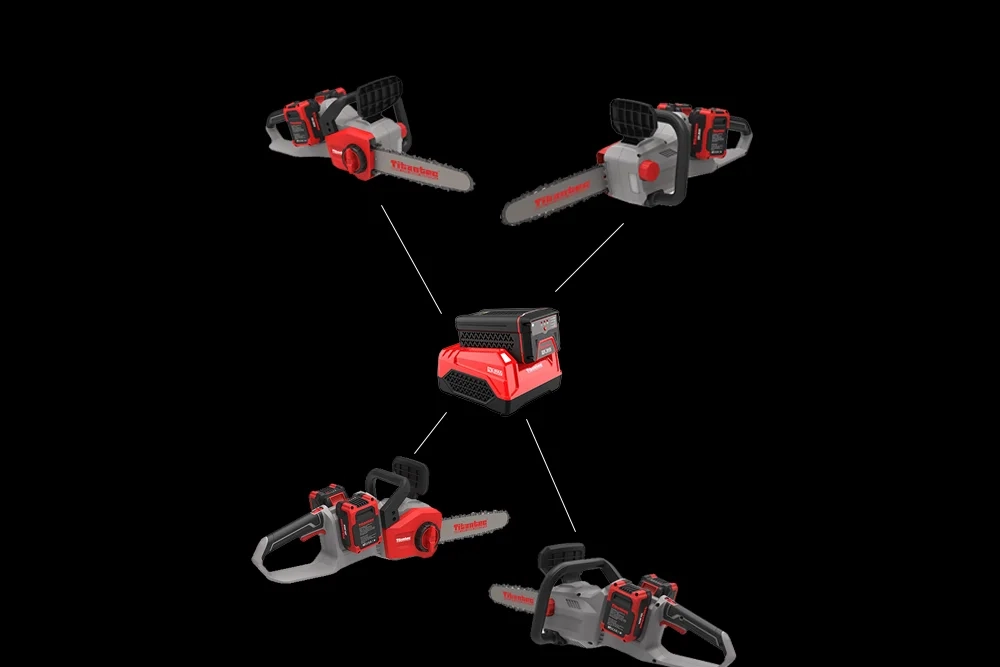
A circular saw uses a rotating toothed blade to make fast, straight cuts through wood, metal, and other materials. It works best when accuracy, speed, and power are needed for large or repetitive cutting tasks.
Best Projects for Circular Saws
When to choose a circular saw:
- For fast, straight cuts on wood, metal, or large boards
- For construction or woodworking projects with repetitive cuts
- When clean edges and consistency matter
- When portability is needed over a table saw
Circular saws are ideal for construction projects and woodworking projects that require long, straight cuts. They perform well when cutting plywood, framing lumber, or trimming large boards to size.
This tool handles deck building, flooring, and roof sheathing efficiently. With the right circular saw blade, it can also cut metal or plastic. For example, a masonry blade allows cutting through concrete or tile.
A circular saw is less suited for curved or detailed cuts but excels when consistency and clean edges matter. Its portability makes it useful for job sites where table saws are impractical. When working with large sheets or framing materials, it saves time and maintains accuracy.
Circular saws deliver strength and speed that jigsaws cannot match. When used correctly, they provide reliable performance for heavy-duty cutting in both professional and home settings.
When to Use a Jigsaw

A jigsaw works best for cutting shapes, curves, and openings that other saws cannot handle. It offers control and flexibility, making it useful for both home repairs and creative DIY projects.
Best Projects for Jigsaws
Common uses include:
- Cutting circular or curved openings in plywood
- Shaping countertops or flooring around obstacles
- Creating patterns or decorative designs in thin wood or plastic
A jigsaw is a handheld power saw that uses a narrow blade moving up and down to cut through materials. It can handle wood, metal, and plastic when fitted with the correct blade.
This tool is ideal for cutting curves, detailed cuts, and plunge cuts where the blade starts inside the material rather than from an edge. It helps users make custom shapes for furniture, vents, or craft pieces.
Different jigsaw blades improve performance. Wood blades have larger teeth for fast cuts, while metal blades have fine teeth for cleaner edges. Plastic blades reduce melting or chipping.
FAQs
Which one is the most useful DIY saw?
A circular saw is often considered the most useful DIY saw for general home projects.
It makes long, straight cuts quickly and accurately, which is ideal for building furniture, decks, or shelves.
A jigsaw, however, is more practical for smaller or detailed tasks. It allows curved and intricate cuts that a circular saw cannot handle. Many DIY users keep both tools since they complement each other.
Can I cut a 2×4 with a jigsaw?
Yes, you can. A jigsaw can cut through a 2×4, but it is not the best tool for the job. Its narrow blade can wander or bend, leading to uneven cuts, especially in thicker wood.
A circular saw handles 2×4 lumber more efficiently. Its stronger motor and larger blade produce faster, straighter cuts with less strain on the tool.
Is a circular saw or a jigsaw more suitable for cutting laminate flooring?
A jigsaw is more suitable for cutting laminate flooring. It provides better control for fitting around corners, vents, and door frames. Using a fine-tooth blade helps reduce chipping on the laminate surface.
A circular saw can also cut laminate planks, but it works best for straight, long cuts. When using one, cutting with the finished side down minimizes surface damage.
Want to Know More About Our Products?
View All Products Now