Edger vs. Trimmer: What Are the Differences and Uses?

Jump to section
An edger vs. trimmer comes down to purpose: an edger uses a metal blade to cut clean, straight lines along sidewalks and driveways, while a trimmer, also called a weed wacker or string trimmer, uses nylon string to cut grass and weeds in tight spaces. You use an edger to define borders where grass meets concrete. You use a trimmer to reach spots a mower cannot.
This guide breaks down what an edger is, what a trimmer is, and how their blade vs. string design affects results. You will also learn key differences, when each tool makes sense, and how to choose the right option for your yard based on layout, surfaces, and upkeep needs.
What is an Edger?
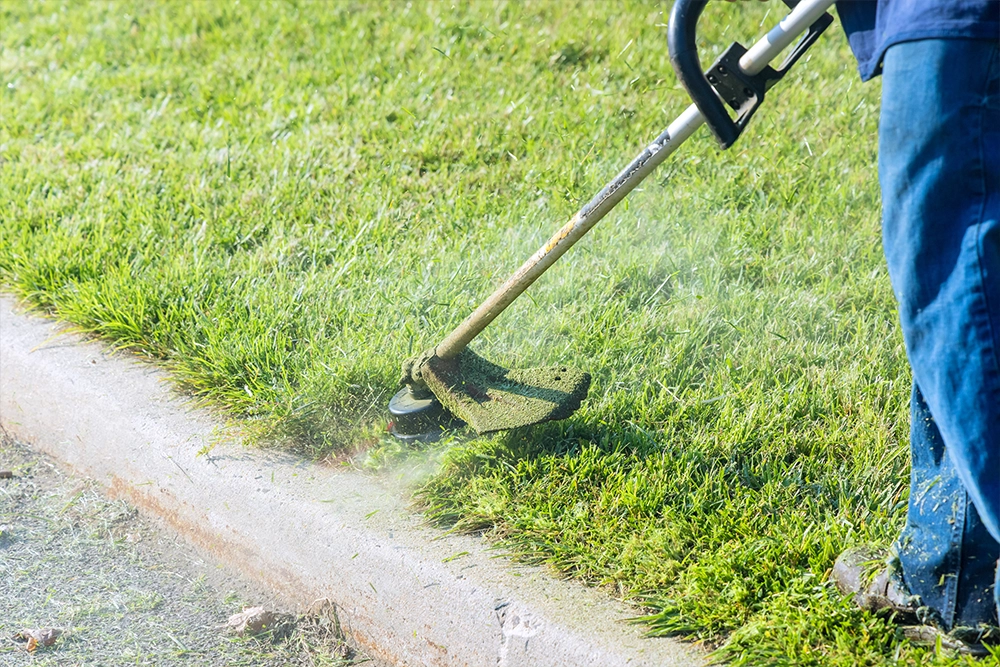
An edger is a lawn tool designed to cut a clean line between grass and hard surfaces like sidewalks, driveways, and garden beds. It uses a vertical, rigid steel blade that slices straight down into soil. For you, this means the tool shapes a clear boundary instead of trimming surface growth.
Common edger features
| Feature | What it means for you |
| Steel blade | Cuts roots and packed soil |
| Wheeled base | Keeps lines straight |
| Vertical cutting | Creates defined borders |
Advantages of an edger:
- Precise edging because the steel blade cuts 3–5 inches into soil, which defines borders clearly
- Lower fatigue since wheels carry the weight instead of your arms
- Consistent depth control because the blade angle stays fixed as you move
Disadvantages of an edger:
- Single-purpose use since edgers cannot trim weeds or tall grass
- Less frequent need because you only edge occasionally, not after every mow
- Higher storage space compared to compact handheld tools
What is a Trimmer?
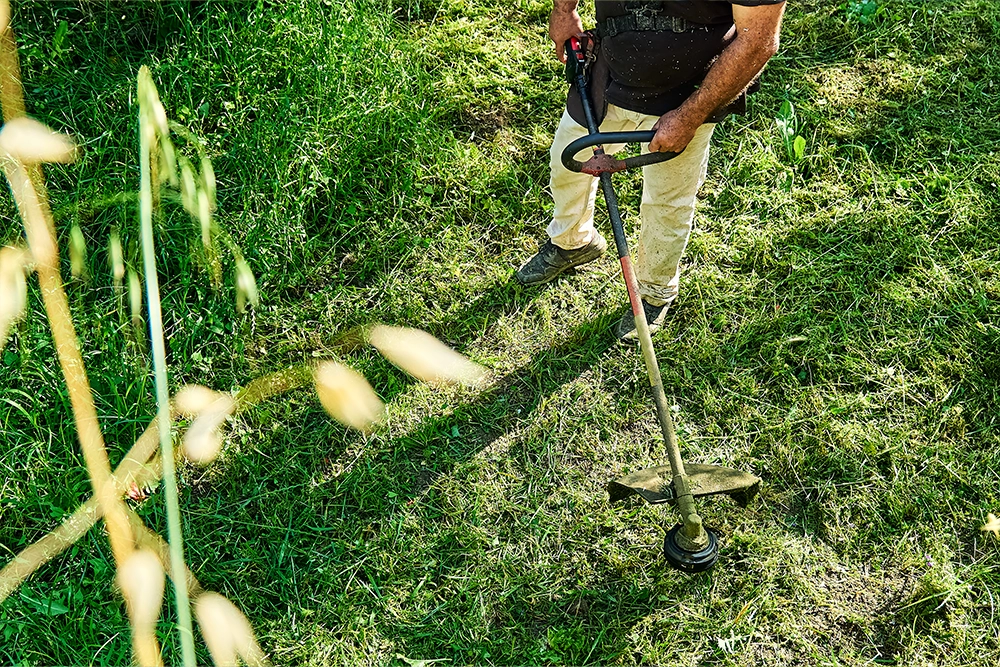
A trimmer, also called a weed wacker or string trimmer, is a handheld yard tool that cuts grass and weeds using a fast‑spinning nylon string. The motor spins the string at high speed, and that motion slices through soft plants because the thin line hits them with repeated force.
Common trimmer features:
| Feature | What it does for you |
| Spinning nylon string | Bends on impact, so it avoids damage to fences and stone |
| Adjustable shaft (some models) | Fits your height and reduces back strain |
| Line feed system | Releases new string as it wears down |
Advantages of a trimmer:
- Trims and edges with one tool
- Reaches narrow and uneven areas
- Accepts attachments on many models, such as edging heads
Disadvantages of a trimmer:
- Creates less defined edges than a bladed edger
- Wears through string and needs refills
- Requires steady control to edge straight lines
Edgers vs Trimmers: What are the Key Differences?
Edgers and trimmers handle different lawn tasks, even though people often group them together. The main differences come down to how they cut, how much power they use, and the kind of finish they leave on your lawn.
Cutting Machine
A lawn edger is a tool designed to cut clean borders where grass meets hard surfaces. It uses a vertical spinning edger blade, usually made of steel, that cuts straight down into soil and turf. Because the blade spins vertically, it creates a sharp trench line.
A trimmer, also called a weed wacker, weed eater, or string trimmer, cuts with a fast-spinning trimmer line made from nylon line. The line spins horizontally and slices grass by speed, not weight. For you, this means a trimmer bends around objects, while an edger cuts a fixed, straight edge.
Power
An edger typically uses higher torque because its metal blade meets soil and roots. Gas edgers often range from 25cc to 40cc engines, while electric models draw 7 to 12 amps. That power lets the blade hold speed under load. In practice, this means the edger keeps a steady cut even in compacted dirt.
A trimmer needs less torque because the nylon line cuts grass, not soil. Battery string trimmers often run on 18V to 80V systems. For you, this translates to lighter weight and easier control, especially during longer trimming sessions.
Use Cases
An edger works best when you need clear borders along sidewalks, driveways, and patios. The vertical blade removes grass that creeps over concrete. This makes it useful for setting new edges or restoring old ones.
A trimmer handles uneven ground and tight spots. You use it around trees, fences, garden beds, and slopes where a mower cannot reach. Because string trimmers can angle and pivot, they adapt to varied shapes. For you, that flexibility reduces hand trimming with manual tools.
Precision and Finish Quality
An edger delivers a straight and repeatable cut because the blade follows a fixed path. Many models include a guide wheel that sets blade depth. This design controls blade position, which results in uniform edges. For you, this means cleaner lines that stay visible longer.
A trimmer gives less consistent results when edging. Nylon line flexes on impact, which softens the cut. Skilled users can tilt a weed wacker vertically, but results depend on hand control. In practice, trimmers leave a natural edge instead of a sharp boundary.
Cost
An edger often costs more because it uses a metal blade, gearbox, and guide system. Entry-level electric edgers usually start around $80, while gas models often exceed $150. Replacement edger blades also add cost over time.
A trimmer usually costs less upfront. Basic corded or battery string trimmers start near $50. The nylon trimmer line costs less per refill than steel blades. For you, this makes a trimmer a lower-cost entry tool for general lawn care.
Maintanence
An edger requires blade inspections and occasional sharpening or replacement. Metal blades can dull or chip when they hit rocks. Gas models also need fuel care and oil checks. For you, this means planned upkeep to keep cuts clean.
A trimmer mainly needs line replacement. The nylon line wears down by design and feeds out during use. Battery models need charged packs, while gas units need basic engine care. In practice, trimmer maintenance takes less time and fewer tools.
Below is a general table of the differences between edger and trimmer:
| Feature | Edger | Trimmer / Weed Wacker |
| Cutting method | Vertical steel edger blade | Spinning nylon trimmer line |
| Best use | Sidewalks, driveways, borders | Trees, fences, tight spaces |
| Power demand | Higher torque | Lower torque |
| Finish | Sharp, straight edge | Softer, natural edge |
| Typical cost | Medium to high | Low to medium |
| Main upkeep | Blade care | Line replacement |
How to Choose the Right Tool for Your Yard?
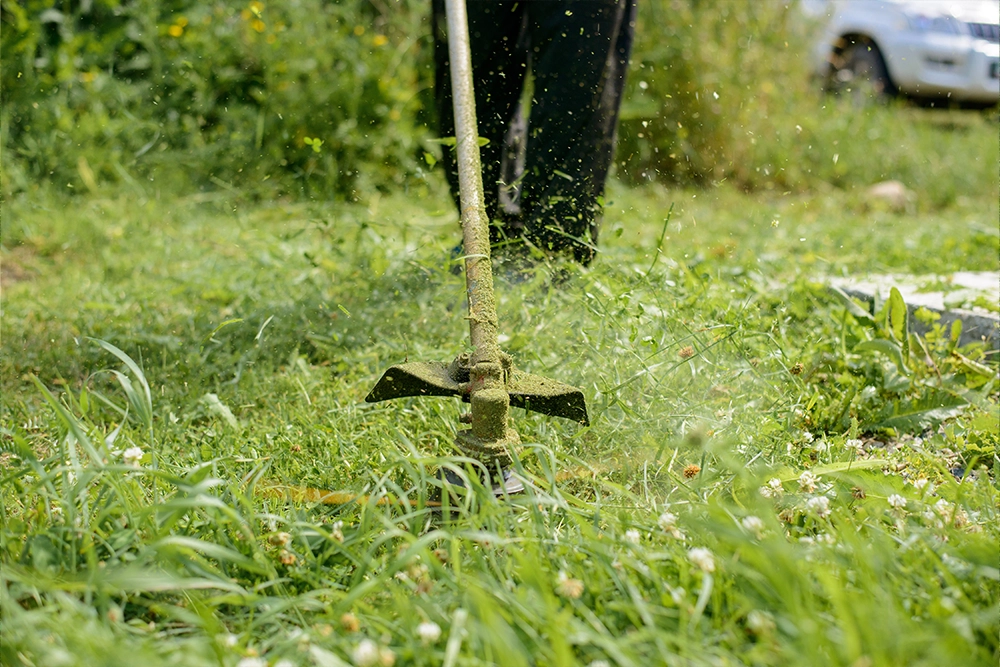
You choose the right lawn care tools by matching the tool to your yard layout and lawn maintenance tasks. An edger is a lawn maintenance tool that cuts a vertical line along hard borders like sidewalks and driveways. A trimmer (weed wacker) is a yard maintenance tool that uses a spinning nylon line to cut grass and weeds in tight spaces.
Factors you need to consider when choosing between edger and trimmer:
- Start with your yard size and shape
- Look at obstacles and uneven areas
- Consider how often you edge
- Think about power source
Start with your yard size and shape. Long, straight borders along pavement call for an edger because its vertical metal blade cuts into soil, which creates a clear boundary. In practice, this means grass stays out of walkways, reducing repeat edging.
Look at obstacles and uneven areas. Trees, fences, and slopes favor a trimmer because the flexible line bends on impact. For you, this lowers the risk of damage while supporting basic weed control around objects.
Consider how often you edge. If you edge weekly, a dedicated edger saves time because it holds a fixed cutting depth. If you edge only a few times per year, a trimmer with an edging attachment may meet your needs, since the rotating head allows vertical cutting with one tool.
Power source also matters. Battery tools suit small yards because runtime matches short sessions, while gas models handle thick growth during extended yard maintenance.
When to Choose an Edger?
An edger is a lawn care tool that cuts clean borders using a metal blade instead of string. You choose an edger when you need sharp, defined lines along sidewalks, driveways, or garden beds.
Pick an edger if your lawn maintenance focuses on precision edging. The rigid blade spins in a fixed plane, which cuts a deeper groove than nylon string. In practice, this means the edge stays visible longer and resists grass creep.
An edger also fits yard maintenance tasks that involve shaping new borders. Manual edgers use a half‑moon steel blade that you press into the soil. For the user, this means you can cut fresh lines around flower beds without tearing turf.
Use an edger when weed control along hard surfaces matters. The blade slices roots at the soil line because it runs vertically against concrete. This reduces regrowth along sidewalks and curbs.
Situations where an edger makes sense:
- You want straight, uniform borders along pavement
- You need to redefine old or overgrown edges
- You plan to cut new beds or landscape lines
If you already own a trimmer, an edging attachment can help. Still, a dedicated edger delivers cleaner results because it uses a purpose-built blade and guide wheel.
When to Choose a Trimmer?
Choose a trimmer when you need one tool that handles several lawn care tasks. A trimmer, also called a weed wacker, uses a fast-spinning nylon line to cut grass and weeds. Because the line flexes, it works well near fences, trees, and posts without damaging them.
A trimmer fits best into routine lawn maintenance. You use it after mowing to clean up edges, reach tight corners, and manage light weed control. In practice, this means you spend less time switching between lawn care tools during yard maintenance.
A key reason to choose a trimmer is versatility. Many models accept an edging attachment, which replaces the string head with a vertical blade. Because the motor already powers the shaft, the attachment lets you edge sidewalks and driveways without buying a separate edger.
Trimmers also make sense when space and budget matter. One power unit can trim, edge, and sometimes run other attachments like a pole saw. For the user, this means fewer tools to store and maintain.
Use a trimmer if your needs match the points below:
- You want one tool for multiple lawn tasks
- You work around fences, trees, and obstacles
- Your lawn care focuses on routine maintenance
- You prefer versatility over specialization
- Space and budget are limited
Avoid a trimmer if you need to cut new, deep edges. A fixed blade edger handles that task better.
FAQs
What are the primary uses of an edger compared to a trimmer?
An edger creates clean borders where grass meets concrete or beds. It uses a vertical metal blade that cuts a narrow trench, usually 1–2 inches deep. For you, this means straight lines along sidewalks and driveways.
A trimmer cuts grass and weeds in spots a mower cannot reach. It uses a fast-spinning nylon string that trims surface growth. In practice, this lets you clean around trees, fences, and posts without digging into soil.
Can a trimmer be used to edge lawns as effectively as a dedicated edger?
No. A trimmer cannot edge as effectively as a dedicated edger.
A trimmer uses flexible string, which bends on contact and cuts unevenly. Because it lacks a guide wheel and vertical blade, you must control the angle by hand. For you, this means edges vary in depth and line quality.
Can I use a weed wacker as an edger?
Yes, but with limits.
You can turn a weed wacker sideways or use an edger attachment. This works because the spinning string can cut grass at the edge line. For you, this means you can touch up edges, but you will not get the same depth or straightness as a blade edger.
Want to Know More About Our Products?
View All Products Now