
Leaf Blowers vs Leaf Vacuums – Which is Best for Yard?
A leaf blower is a machine that moves debris into piles, while a leaf vacuum is a machine that collects and shreds leaves into fine mulch for composting or disposal. A leaf blower and a leaf vacuum both serve one goal—making yard cleanup faster and easier.
This article explains how each tool works, the differences between a leaf blower and a leaf vacuum, and how a combination model can simplify seasonal cleanup. It also answers common questions about power types, mulching ratios, and maintenance so anyone can choose the best option for their yard.
What Are Leaf Blowers?
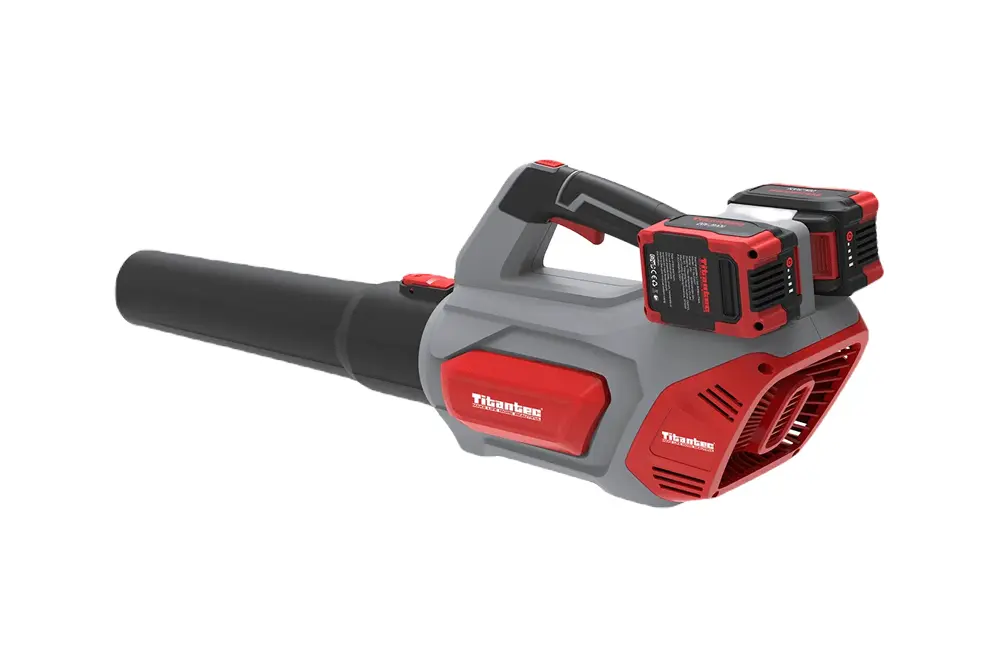
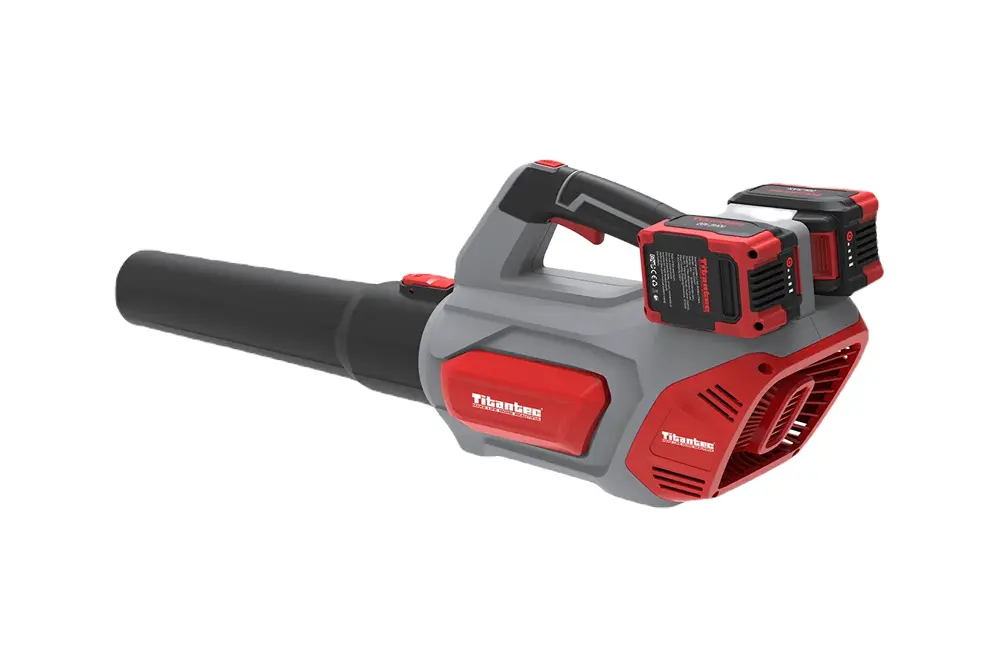
A leaf blower is a handheld or backpack outdoor tool that uses a high-speed stream of air to move leaves, grass clippings, and debris. It can be powered by gas, electric (corded), or battery systems, each offering different levels of power, noise, and convenience. Leaf blowers are commonly used for yard maintenance, driveway cleanup, and general outdoor debris removal.
Leaf blowers come in three main power types:
- Gas models suit large yards or heavy debris.
- Electric corded blowers offer steady power.
- Battery-powered blowers provide less runtime for large jobs.
How Do Leaf Blowers Work?
Leaf blowers use a motor—electric, battery, or gas—to spin a fan that forces air through a narrow nozzle. The airflow speed, measured in miles per hour (mph), and the air volume, measured in cubic feet per minute (CFM), determine how effectively debris is moved.
Benefits of leaf blowers include:
- Leaf blowers make yard cleanup faster and less physically demanding than raking.
- Combination models that include vacuum and mulcher functions reduce waste volume.
- Battery and electric models produce fewer emissions and require less maintenance.
Drawbacks of leaf blowers include:
- Gas-powered versions are noisy and emit exhaust.
- Electric and battery models are less powerful.
- Clogs may occur when sucking up twigs or damp debris.
What Are Leaf Vacuums?
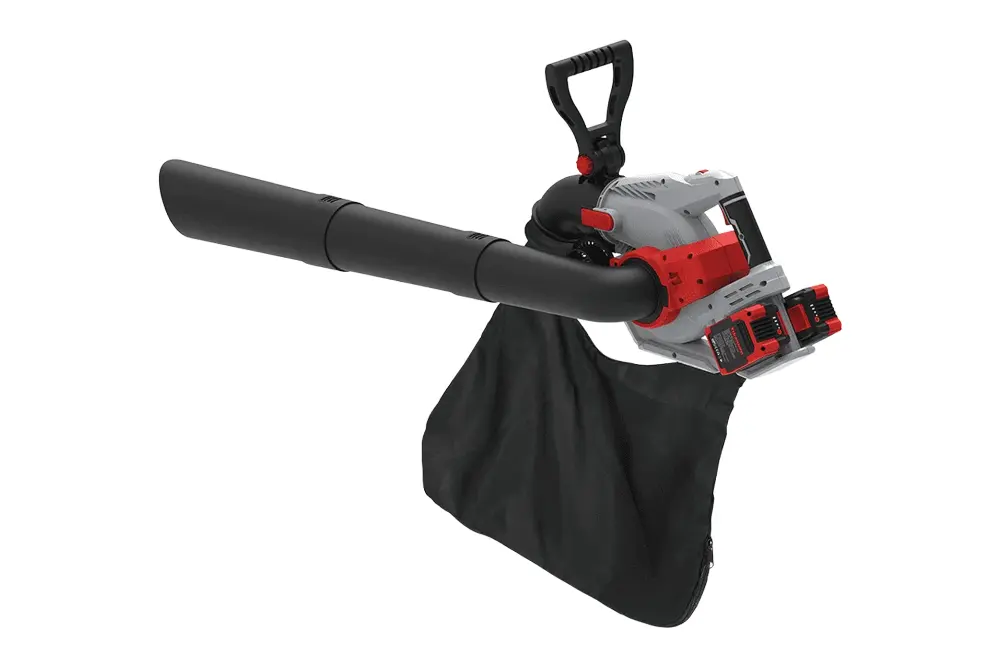
A leaf vacuum is a powered yard tool that uses suction to collect leaves, grass clippings, and small debris into a bag for easy disposal. It helps maintain clean lawns and gardens by reducing the physical effort needed for yard cleanup compared to raking or sweeping.
Several types of leaf vacuums exist:
- Handheld models for small yards and quick cleanups
- Walk-behind vacuums for larger lawns
- Tow-behind units that attach to riding mowers for wide areas
How Do Leaf Vacuums Work?
A leaf vacuum operates by drawing air and debris through a nozzle using a motor-driven fan or impeller. The impeller spins at high speed, creating suction that pulls leaves into the machine. As the air and debris pass through, the impeller often shreds the material into smaller pieces before sending it into a collection bag.
Benefits of leaf vacuums include:
- Leaf vacuums offer faster and cleaner results than manual raking.
- Many models include mulching capability.
- Leaf vacuums save time and reduce physical strain.
Drawbacks of leaf vacuums include:
- Leaf vacuums struggle with wet or heavy leaves.
- Gas-powered models can be noisy and heavier.
- Collection bags also need frequent emptying.
Fundamental Differences Between Leaf Blowers and Leaf Vacuums
Leaf blowers and leaf vacuums handle yard maintenance in very different ways. One moves debris across surfaces, while the other removes it from the yard. These differences affect how leaves are collected, the time spent, and how clean the area looks when finished.
Key differences are reflected in:
- Operation Methods
- Ideal Use Cases
- Design and Technology Comparison
Operation Methods
A leaf blower is a yard tool that uses a high-speed stream of air to push leaves and light debris. The motor drives a fan that forces air through a narrow nozzle. Because the air moves leaves instead of lifting them, debris is guided into piles or toward a curb. This allows faster coverage of open areas, especially when leaves are dry.
A leaf vacuum is a yard tool that uses suction to pull leaves into a bag or bin. The motor reverses airflow so debris moves inward. Many models include a metal or plastic impeller that shreds leaves as they enter. In practice, this reduces leaf volume and limits how often the bag needs emptying.
Ideal Use Cases
Leaf blowers work best for clearing large spaces like lawns or driveways. They handle dry leaves, grass clippings, and dust well. Because debris is only repositioned, a final collection step is still required. This works well for properties with enough space to form piles.
Leaf vacuums suit smaller yards or areas where collecting leaves matters more than moving them. They remove leaves from the ground in one step, ideal for clean finishes near patios or flower beds. Wet or heavy leaves may slow suction, so shorter passes may be necessary.
Design and Technology Comparison
Leaf blowers focus on airflow speed and nozzle shape. Narrow nozzles increase air velocity, which helps lift stuck leaves. This design improves control along edges and corners. Common formats include handheld, backpack, and walk-behind units.
Leaf vacuums prioritize sealed airflow paths and collection systems. They use fabric or rigid bags attached behind the motor. Mulching impellers cut leaves into smaller pieces before storage. In real use, this means fewer disposal trips and easier composting. The added parts increase weight, which affects how long the machine can be operated without breaks.
How to Choose the Right Tool Between Vacuums and Blowers
The choice between a leaf blower and a leaf vacuum depends on yard size, noise limits, and long-term costs. Each factor affects how fast yard cleanup is completed and the physical effort required over time.
Assess Yard Size and Landscape
Yard size defines how cleanup is managed. A leaf blower moves leaves using high-speed airflow, often rated between 200–700 CFM. Higher CFM pushes leaves across wide lawns, reducing the number of passes required for large yards.
A leaf vacuum collects leaves into a bag using suction and often includes a metal or composite impeller that shreds leaves at ratios like 10:1 or higher. This reduces leaf volume, making it ideal for smaller yards with trees, garden beds, or fences. In practice, this translates to less raking and fewer trips to empty debris.
Consider Environmental and Noise Factors
Power source affects noise and emissions during yard maintenance. Gas-powered tools use two- or four-stroke engines that often exceed 90 dB, potentially triggering local use limits or disturbing neighbors.
Electric and battery models run quieter, often in the 60–75 dB range. Battery units produce zero on-site emissions, improving air quality and eliminating fuel mixing or exhaust concerns.
Leaf vacuums usually control debris better because they pull material inward. This reduces dust clouds, which is important for allergies or dry conditions, affecting comfort and visibility during work.
Evaluate Cost and Maintenance
Upfront price and ongoing care affect long-term value. Entry-level electric leaf blowers often cost less because they have fewer moving parts. Maintenance typically involves cleaning vents and checking cords, translating to lower yearly costs.
Leaf vacuums cost more due to added components like collection bags, shredding blades, and reinforced housings. These parts reduce waste volume but increase wear points. Bags or blades may need replacement over time.
Gas models add fuel, oil, spark plugs, and air filters to the budget. Battery tools avoid these costs but require lithium-ion packs, which may need replacement after several years of charging cycles.
When to Choose Leaf Vacuums
A leaf vacuum uses suction to lift leaves from the ground into an attached bag. It is chosen when full removal is needed rather than just moving debris.
Leaf vacuums are suitable for cleaning tight spaces like patios, gardens, and walkways. Many models include mulching impeller blades that shred leaves before storage, slowing bag fill and producing mulch suitable for composting.
A leaf vacuum is ideal if these needs match the yard:
- Leaves need to be removed and bagged, not just moved.
- Cleaning tight spaces like beds, steps, and corners.
- Planning to compost or bag leaves on-site.
When to Choose Leaf Blowers
A leaf blower uses a focused air stream to move leaves and light debris from one area to another. It is chosen when the main goal is clearing surfaces quickly without collecting debris simultaneously.
Leaf blowers are ideal for hard surfaces like driveways, patios, and walkways. High air speed moves dry leaves efficiently. They are also effective for large yards with scattered leaves, reducing cleanup time.
Leaf blowers reduce physical strain compared to raking or sweeping. Handheld or backpack designs shift effort from repetitive arm motion to controlled tool handling. They are also useful for tasks needing air force rather than suction, such as clearing sawdust, grass clippings, or debris from gutters.
A leaf blower is suitable if these points match the yard:
- Dry leaves and light debris.
- Large or open outdoor areas.
- Hard surfaces instead of lawns.
- Fast clearing without bagging.
FAQs
Can a Leaf Blower Be Used as a Vacuum?
Yes. Some leaf blowers include a built-in vacuum mode, allowing the machine to collect and bag leaves. This typically requires switching a lever or attaching a collection bag. Not all models support dual functionality.Can a leaf mulcher handle wet leaves effectively?
No, most mulchers work best with dry leaves, as wet material can clog the intake or stick to the impeller. Higher-powered units with metal blades or wide intake tubes can manage small amounts of damp leaves. Regular cleaning and avoiding heavily soaked piles maintain airflow and prevent blockages.
Want to Know More About Our Products?
View All Products Now