
How to Use a Leaf Blower to Clean Gutters: A Step-By-Step Guide
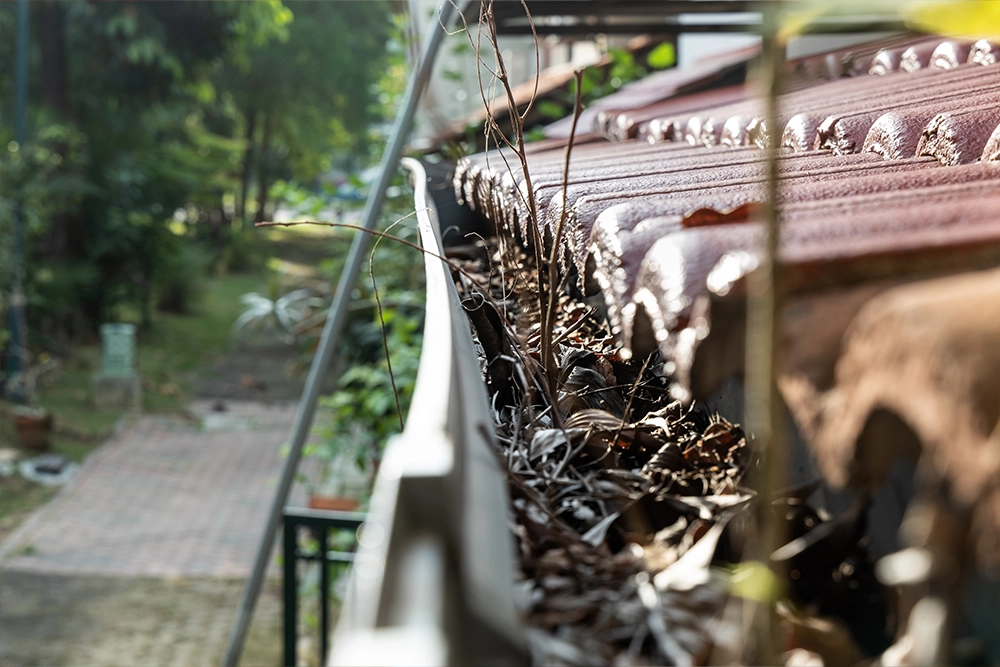
A leaf blower is a yard tool that uses a powerful stream of air to blow leaves and debris into piles for easy cleanup. Keeping gutters clean with a leaf blower and a proper gutter attachment is one of the fastest and safest ways to prevent water damage and maintain a home’s exterior.
Professionals and experienced homeowners alike often prefer using a leaf blower with a gutter cleaning kit because it combines efficiency with control. These attachments extend reach and direct airflow exactly where it’s needed, making it easier to remove buildup from the ground or while standing securely on a ladder.
This guide explains why regular gutter cleaning matters, how to choose the right leaf blower, and the best way to use it for thorough results. It also covers safety practices, maintenance tips, and common questions to help anyone keep their gutters working properly year-round.
Why Clean Gutters Regularly?
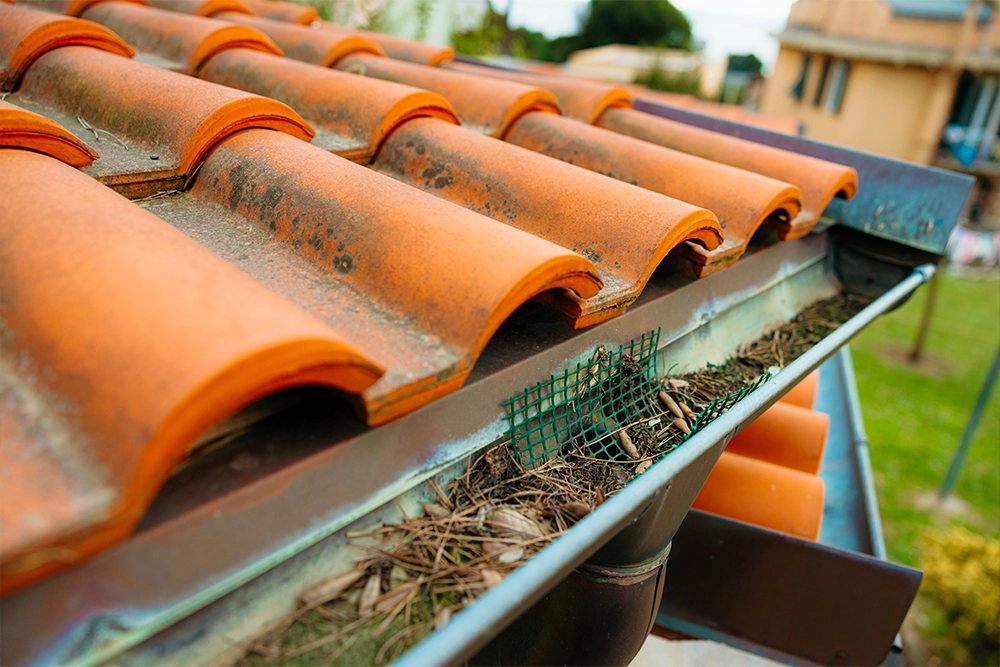
The reasons why clean the gutters regularly are as follows:
- Prevent Water Damage
- Avoid Pest Infestations
- Maintain Curb Appeal
When gutters clog with leaves and dirt, water can overflow and pool near the foundation. Over time, this moisture can lead to cracks in the concrete, basement leaks, or soil erosion.
Clogged gutters hold standing water and damp debris, creating a perfect home for mosquitoes, ants, and termites. Birds and rodents may also nest in the buildup, blocking water flow even more.
Clean gutters improve the home’s appearance by keeping exterior walls free of streaks and algae growth.Regular cleaning also prevents sagging sections that can warp or pull away from the roofline. This keeps the gutter system aligned and functional.
How to Choose a Right Leaf Blower for Gutter Cleaning?
The best option depends on the power source, airflow strength, and how easily the tool can be handled from the ground. Selecting the right leaf blower helps remove leaves and debris from gutters safely and efficiently.
The types of leaf blowers includes:
- Corded electric leaf blower
- Cordless battery-powered leaf blower
- Gas-powered model
Leaf blowers come in corded electric, cordless battery-powered, and gas-powered models. Corded electric blowers work well for smaller homes but require access to an outlet and an extension cord, which may limit reach.Cordless models use rechargeable batteries, offering better mobility and safety by removing the need for cords. Gas-powered blowers deliver the most power and runtime. They are useful for large properties or heavy debris but tend to be heavier and louder.
Step-by-Step Guide to Cleaning Gutters with a Leaf Blower
Using a leaf blower and a proper gutter cleaning attachment helps remove leaves and debris quickly while reducing the need for heavy manual work. A careful setup, correct attachment use, and steady technique improve safety and cleaning results.
Steps to clean gutters are as follows:
- Make good safety preparations.
- Attach the Gutter Cleaning Kit.
- Blow Out Leaves and Debris.
Preparation and Safety Precautions
They should first inspect the gutters and surrounding area for damage, power lines, or unstable ground. Clearing obstacles and ensuring the ladder or standing area is stable prevents accidents.
Essential safety gear includes:
- Goggles or safety glasses
- Work gloves
- Dust mask
- Non-slip shoes
If using a ladder, it must rest on level ground and extend at least three feet above the gutter edge. Maintaining three points of contact reduces fall risk.
Before starting, they should check that the leaf blower functions properly and that the air intake is clear. Electric or battery-powered models work best for small homes, while gas-powered blowers suit larger properties. They should keep people and pets away from the work area to avoid injury from flying debris.
Attaching the Gutter Cleaning Kit
A leaf blower gutter attachment usually includes a curved or angled tube that directs airflow into the gutter. The user should connect the sections tightly to prevent air leaks and ensure the nozzle points upward at a 30–45° angle.
For ground-level cleaning, extension tubes help reach higher gutters without climbing. If using a ladder, shorter attachments allow better control and balance.
They should test the setup before starting by running the blower briefly to check airflow direction. A secure fit prevents the attachment from detaching during use.
Mark the tube alignment with tape so it’s easier to reassemble later. Keeping the attachment clean after each use maintains airflow strength and extends its lifespan.
Blowing Out Leaves and Debris
Begin at the end farthest from the downspout. Move slowly along the gutter, blowing leaves and debris toward the downspout opening. Working in small sections helps ensure all material is removed.
For wet or compacted leaves, increase air speed or adjust the nozzle angle to break them apart. If buildup remains, a small gutter scoop or trowel can assist.
They should pause occasionally to check for clogs at the downspout. If airflow weakens, stop and clear blockages using a hose or plumber’s snake.
After blowing out the debris, a quick rinse with water helps confirm proper drainage. Regular cleaning every spring and fall keeps gutters clear and prevents water overflow.
What Are the Best Practices and Maintenance Tips for a Leaf Blower?

Proper cleanup, regular equipment care, and knowing when to hire a professional help keep gutters clear and working well. These steps reduce damage risks, extend tool life, and improve safety during routine maintenance.
Below are several Practices and Maintenance Tips:
- Clean up after blowing.
- Maintain leaf blower and attachments.
- If there are dangers, seek professional help.
How to Clean Up a Leaf Blower After Blowing?
Once debris is blown out of the gutters, it often spreads across the yard or driveway. Collecting it prevents clogging drains and keeps the area tidy. Using a rake, broom, or leaf vacuum helps gather loose material quickly.
Bag the leaves or place them in a compost bin for disposal. Avoid leaving piles near the foundation, as wet debris can attract pests or hold moisture against walls.
Check the downspouts for blockages. Run water through them with a garden hose to confirm proper drainage. If water backs up, clear the obstruction using a plumber’s snake or pressure nozzle.
Inspect nearby surfaces for dirt or streaks caused by wet leaves. A quick rinse with a hose can restore a clean look and prevent staining.
How to Maintain Leaf Blower and Attachments?
Keeping the leaf blower and gutter cleaning attachments in good condition ensures reliable performance. After each use, wipe off dust, leaves, and moisture. Check for cracks or loose fittings on extension tubes and nozzles.
For gas-powered models, clean or replace the air filter and spark plug as recommended by the manufacturer. Electric and battery-powered units should have vents cleared of debris and batteries stored in a cool, dry place.
Lubricate moving parts if the manual suggests it. Examine cords or fuel lines for wear. Replace damaged parts promptly to prevent malfunctions.
Store the blower and attachments in a dry, sheltered area. Hanging attachments on a wall rack helps prevent bending or cracking.
When to Seek Professional Help for Leaf Blower?
Some gutter cleaning jobs may be unsafe or too difficult to handle alone. Homeowners should contact a professional gutter service if the roof is steep, the gutters are high, or there are signs of structural damage.
Professionals have the right gutter cleaning tools, ladders, and safety gear to reach difficult areas. They can also spot leaks, sagging sections, or improper pitch that could cause drainage issues.
Hiring help is also useful when gutters contain heavy buildup or when seasonal cleaning becomes too time-consuming. Regular professional inspections can prevent costly repairs and maintain the system’s efficiency year-round.
FAQs
Are there any risks associated with cleaning gutters using a leaf blower?
Yes, there are. Leaf blowers can blow debris into the air, which may cause eye or skin irritation. Wearing goggles, gloves, and a dust mask helps reduce these risks.
If a ladder is used, improper setup or overreaching can cause falls. Strong air pressure can also loosen gutter sections if they are already damaged. Users should inspect gutters before starting and follow manufacturer safety instructions.
How often should gutters be cleaned to maintain proper function?
Most homes need gutter cleaning at least twice a year—once in spring and once in fall. Homes surrounded by trees may need more frequent cleaning to prevent blockages.
Regular cleaning ensures proper water flow and prevents damage to the roof, siding, and foundation. After major storms or heavy leaf fall, checking gutters helps catch problems early.
Want to Know More About Our Products?
View All Products Now