How to Use an Electric Lawn Mower: Step-by-Step Instructions & Tips
Jump to section
You use an electric lawn mower by powering it with a charged battery or cord, setting the cutting height, clearing debris, starting the safety handle, and mowing in steady passes.
You will learn how to power the mower, adjust cutting height, prepare the lawn, and operate it with control. You will also see how to handle thick grass, manage edges, and care for blades and storage. Safety tips and quick fixes help you avoid common problems and keep your mower working well.
What are Electric Lawn Mowers?
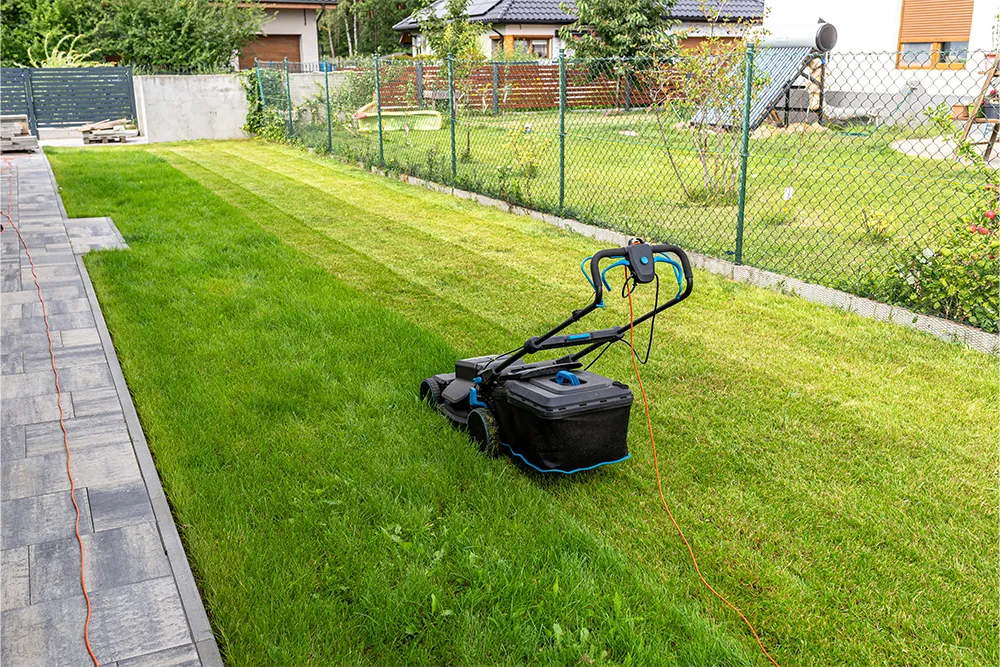
An electric lawn mower is a mower powered by electricity instead of gas. You choose one to reduce noise, cut air pollution, and avoid fuel and oil tasks while still meeting common yard needs.
Benefits of using electric lawn mowers:
- Eco-Friendly Operation – Electric lawn mowers produce zero emissions, making them a greener alternative to gas-powered mowers.
- Quieter Performance – They run much more quietly, reducing noise pollution in your yard and neighborhood.
- Low Maintenance – No oil changes, spark plugs, or fuel to worry about; simple cleaning and blade sharpening is usually enough.
Easy to Start and Use – Instant start with a button or safety key, without the pull cord of traditional mowers. - Lightweight and Maneuverable – Easier to push and handle, especially for small to medium lawns or tight spaces.
Types of Electric Lawn Mowers
| Type | Power | Best For |
| Electric corded lawn mower | Outlet | Small yards |
| Cordless electric mower | Battery | Medium yards |
| Robot mower | Battery | Ongoing trim |
| Riding mower | Battery | Large lawns |
Step 1: Check and Power the Electric Lawn Mower
An electric lawn mower uses a corded or battery-powered motor to spin the blade. Before starting, ensure the safety key is in place and all locks are disengaged—otherwise, the mower won’t run. Check the body for loose covers, blocked vents, or grass under the deck, as debris can overheat the motor.
For cordless models, fully charge the battery to prevent mid-cut shutdowns. For corded models, use a properly rated outdoor extension cord and ensure a secure connection.
Quick power check for different electric lawn mowers:
| Mower type | What to confirm |
| Cordless | Battery fully seated, safety key inserted |
| Corded | Outdoor cord connected, outlet powered |
Step 2: Adjust the Electric Lawn Mower Cutting Height
The cutting height controls how much grass the blade removes in one pass. To adjust it:
- Power off the mower—remove the battery for cordless models or unplug for corded models to prevent accidental starts.
- Most mowers adjust height with a lever (for all wheels) or individual wheels (for each corner). Ensure even settings for a consistent cut.
Common blade height ranges of electric lawn mowers:
| Setting | Blade height |
| Low | 1.5–2 inches |
| Medium | 2.5–3 inches |
| High | 3.5–4 inches |
Lower settings increase resistance, using more power, which can shorten battery life on thick lawns. Higher settings reduce motor load and improve runtime. Always check height before mowing and fully charge the battery to maintain optimal performance.
Step 3: Clear and Prepare the Lawn for the Electric Lawn Mower
- Remove Objects from the Lawn
Before mowing, pick up sticks, stones, toys, and garden tools. These can block the mower’s blade or damage it, leading to uneven cuts and reduced cutting performance. - Check Grass Moisture
Mowing wet grass causes blades to bend and clump, which leads to missed spots and poor discharge. If the lawn is damp, either wait for it to dry or raise the cutting height to handle wet grass more effectively. - Inspect the Ground for Unevenness
Look for dips, bumps, and exposed roots. Uneven ground can lift the mower deck, causing inconsistent cutting even if the blade is sharp. - Plan Your Mowing Pattern
Choose a straight-line pattern that matches your mower’s cutting width. This reduces overlap and minimizes wasted time while mowing. - Prepare Problem Areas First
Trim thick edges or tall patches before mowing the rest of the lawn. This helps prevent the mower from bogging down and ensures a steady blade speed, maintaining consistent cutting performance.
Step 4: Start and Operate the Electric Lawn Mower
An electric lawn mower uses an electric motor powered by a cord or battery to spin a steel cutting blade. This motor starts only when you engage built-in safety controls, which reduces the risk of accidental blade movement.
Use this checklist to operate your electric lawn mower:
- Check Power Source
- Engage Safety Controls
- Mow in Straight, Overlapping Passes
- Monitor Motor and Load
- Clear Grass Clippings
Before you start, check the power source. For a battery model, insert a fully charged battery and lock it in place. A full charge matters because limited battery life can lower cutting performance and force you to stop mid-pass.
To start the mower, hold the handle with both hands, press the safety switch, and pull or push the start control. The motor reaches full speed in seconds. For the user, this means the blade cuts cleanly right away instead of tearing grass tips.
As you mow, walk at a steady pace and overlap each pass by a few inches. This overlap improves cutting performance because the blade covers missed edges from the prior pass. If the motor sound drops, slow down to reduce load and protect battery life.
Watch the grass discharge area while you work. If clippings build up, stop the mower and unplug or remove the battery before clearing debris. This step supports even cutting and reduces strain on the motor.
Step 5: Manage Thick Grass and Edges with the Electric Lawn Mower
Thick grass means areas where blades grow taller and denser than the rest of the lawn. You should slow your walking pace in these spots because steady blade speed improves cutting performance and reduces tearing. In practice, this gives a cleaner cut and lowers strain on the motor.
Raise the cutting height for the first pass through heavy growth. This setting leaves more leaf area, which reduces load on the blade and protects battery life. For you, this means fewer shutdowns and a longer run time before recharging.
Overlap each pass by a few inches, especially near edges. The blade covers missed strands on the second contact because overlap keeps grass upright and within the cutting path. Use the mower’s edge side to trim close to sidewalks and driveways, but keep the deck level to avoid scalping.
Battery use tips in thick grass
| Action | Why it matters | What it means for you |
| Mow dry grass | Wet blades stick together | Longer battery run time |
| Use steady speed | Avoids power spikes | More even cutting |
| Recharge fully | Battery delivers rated output | Consistent power |
Step 6: Power Down, Clean, and Store the Electric Lawn Mower
Powering down the mower means stopping the motor and cutting all electrical flow before handling it. Release the start switch, wait for the blade to stop, then remove the battery or unplug the cord to prevent accidental starts.
Cleaning the mower involves removing grass, dirt, and moisture from the deck, blade area, and wheels using a dry brush or cloth. Avoid spraying water on the motor housing or battery slot, as moisture can cause corrosion and shorten battery life. Check that the blade is straight and sharp to ensure clean cuts, reduce strain on the motor, and keep your lawn healthy.
Store the mower in a dry, covered space, and keep the battery indoors between 40°F and 80°F to maintain its charge and prolong its lifespan. Regular cleaning and proper storage help maintain consistent cutting performance and ensure the mower is ready for use on your next mowing session.
Quick storage checklist:
- Power off and disconnect energy
- Clean deck, blade, and wheels
- Dry all surfaces
- Store mower and battery separately
Electric Lawn Mower Troubleshooting and Safety Tips

Electric lawn mower troubleshooting means finding and fixing common problems that affect power, cutting, or safe use. You use these checks to keep the mower running as designed and to reduce injury risk.
Battery issues cause most startup problems. Lithium‑ion batteries include a control board that stops power when voltage drops too low. Because of this design, a mower may not start even when the battery shows some charge. For you, this means you should fully charge the battery and let it cool for 30 minutes before reuse.
The problem table of power can tell you what to do:
| Problem | Likely Cause | What You Do |
| Mower won’t start | Battery too hot or empty | Charge fully and cool |
| Short run time | Cold battery cells | Warm battery indoors |
| No power | Safety key removed | Insert key firmly |
Cutting performance depends on blade condition and deck height. Steel blades dull after contact with sand or sticks. When edges round off, the blade tears grass instead of cutting it. For you, this means uneven grass and higher motor load. Sharpen or replace the blade and set the deck to the grass type.
Safety matters every time you learn how to use an electric lawn mower. Electric motors start fast because they deliver torque at zero speed. In practice, this means you keep hands clear of the deck and remove the battery before checks.
- Wear closed shoes and eye protection
- Mow dry grass to avoid slips and clogs
- Unplug or remove the battery before clearing jams
FAQs
What are the maintenance requirements for an electric lawn mower?
Maintenance requirements for an electric lawn mower include cleaning grass, sharpening the steel blade, and storing the lithium-ion battery in a dry place.
You need to clean grass buildup from the deck after each use because dried clippings block airflow. In practice, this helps the motor stay cool and cut evenly.
You should sharpen the steel blade at least once per season. A sharp blade cuts grass cleanly, which reduces stress on the motor and prevents brown tips on your lawn.
If you use a battery model, store the lithium-ion battery in a dry place between 40°F and 80°F. For you, this means longer battery life and fewer charging problems.
What are the cons of an electric lawn mower?
The cons of an electric lawn mower include limiting run time, restricting movement and producing less torque than gas engines
An electric lawn mower relies on either a power cord or a battery, which limits run time. Battery models often run 30 to 60 minutes per charge, so large yards may need a second battery.
Corded models restrict movement because the mower must stay connected to an outlet. This means you must plan your mowing path to avoid cutting the cord.
Electric motors also produce less torque than gas engines. Because of this design, thick or overgrown grass may require slower passes or a higher cutting height.
Want to Know More About Our Products?
View All Products Now