How to Choose the Best Electric Mower: Essential Buyer’s Guide
Jump to section
You choose the best electric mower by matching the mower type, power source, and key features to your yard size, terrain, and storage space. The right electric mower fits your lawn because battery runtime, cutting width, and drive type directly control how long you can mow, how clean the cut looks, and how much effort you use.
You will learn how electric mowers work, which types fit different yards, and which factors matter most, like battery capacity, cutting height, and mulching. You will also see how proper care and storage extend battery life and keep the mower reliable season after season.
What are Electric Mowers?
Electric mowers are lawn-cutting machines that use electricity instead of gasoline to spin their blades. You power them through a wall outlet or a rechargeable battery, which removes fuel mixing, oil changes, and engine exhaust.
A glance of electronic mowers features:
- Drive systems shape effort and control.
- Blade and deck features affect cut quality.
- Special formats fit large or hands-off needs.
Benefits of electronic mowers
- Electric mowers run on a cord or battery, producing no on-site exhaust. This keeps your yard air cleaner and eliminates the need to store gas.
- They are lighter than gas models, making push and self-propelled mowers easier to steer and lift, reducing effort when turning or moving the mower.
- Electric motors are quieter than gas engines, allowing mowing at flexible times with less noise and reduced need for hearing protection.
What are the Types of Electric Mowers?
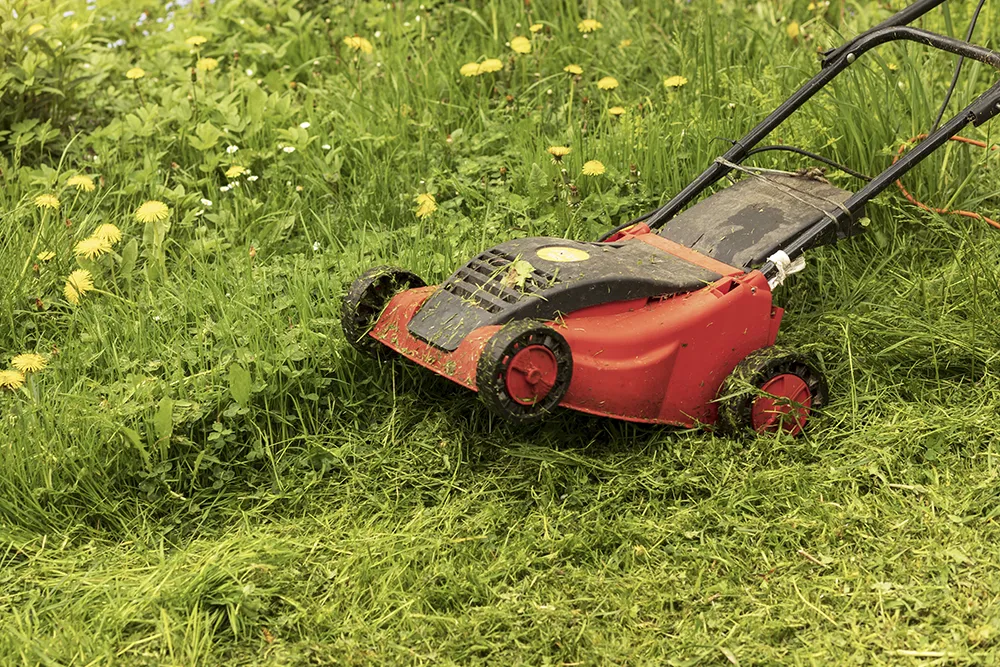
Electric mowers come in several designs that suit different yard sizes, grass types, and effort levels. Each type uses a specific cutting method or drive system that changes how you mow and what results you get.
Electric Mowers come in:
- Rotary Mowers
- Cylinder Mowers
- Hover Mowers
- Battery-Operated Mowers
- Push Mowers
- Self-Propelled Mowers
- Robotic Mowers
- Mowers with Mulchers
Rotary Mowers
Cut grass with a fast-spinning horizontal blade. Decks usually range 14–21 inches. Wider decks cover more ground per pass.
Cylinder Mowers
Use a rotating reel against a fixed blade for a clean, scissor-style cut. Best on flat lawns; tall or wet grass can jam the reel.
Hover Mowers
Float on air, allowing movement in any direction. Small decks (11–15 inches) suit small, irregular lawns but struggle with thick grass.
Battery-Operated Mowers
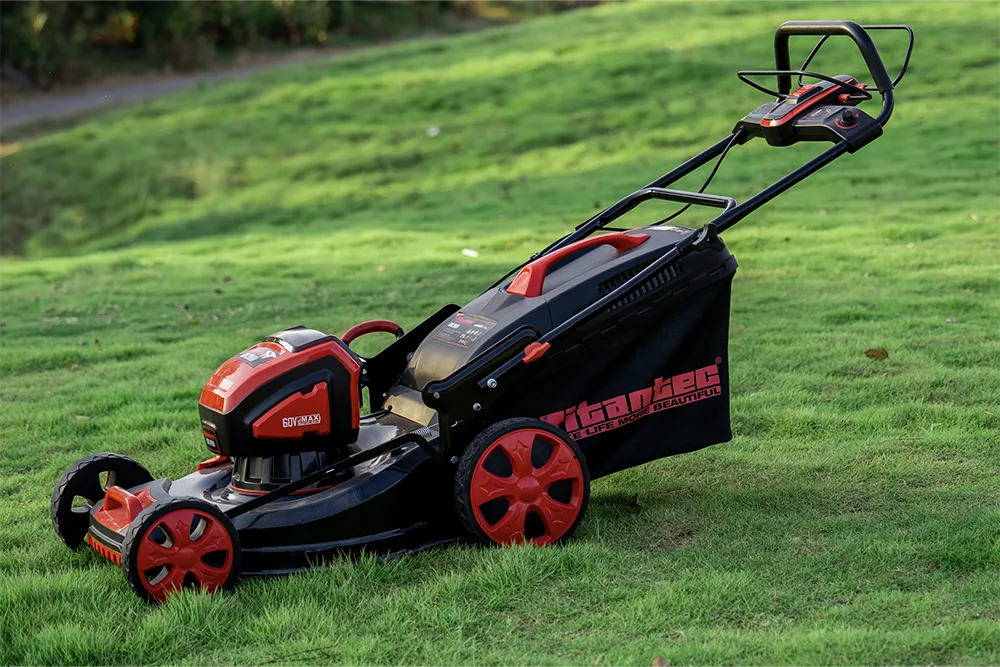
Powered by rechargeable lithium-ion batteries (36V–80V). Higher voltage maintains speed in thick grass. Run time 30–60 minutes.
Push Mowers
Move only when pushed. Lightweight (30–45 lbs) and easy to turn, best for small, flat lawns.
Self-Propelled Mowers
Drive their wheels with a motor while guided by you. Heavier (55–75 lbs) but easier on medium to large lawns and hills.
Robotic Mowers
Operate autonomously with sensors and guide wires or GPS. Cut small amounts frequently, leaving clippings as mulch. Handle 0.25–1 acre.
Mowers with Mulchers
Finely chop clippings and return them to the lawn. Mulching blades circulate grass until small pieces settle, returning nutrients to the soil.
What Should You Consider When Choosing Electric Mowers?
Choosing an electric mower requires matching the machine to your yard, your physical needs, and your budget. Key factors include lawn size, battery design, cutting capacity, safety systems, and long-term support.
Factors you need to consider when choosing electric mower:
- Evaluating Your Lawn and Needs
- Battery Type and Runtime
- Cutting Width and Height
- Performance and Usability Factors
- Advanced Features and Safety Considerations
- Warranty and After-Sales Care
- Budgeting and Value Assessment
Evaluating Your Lawn and Needs
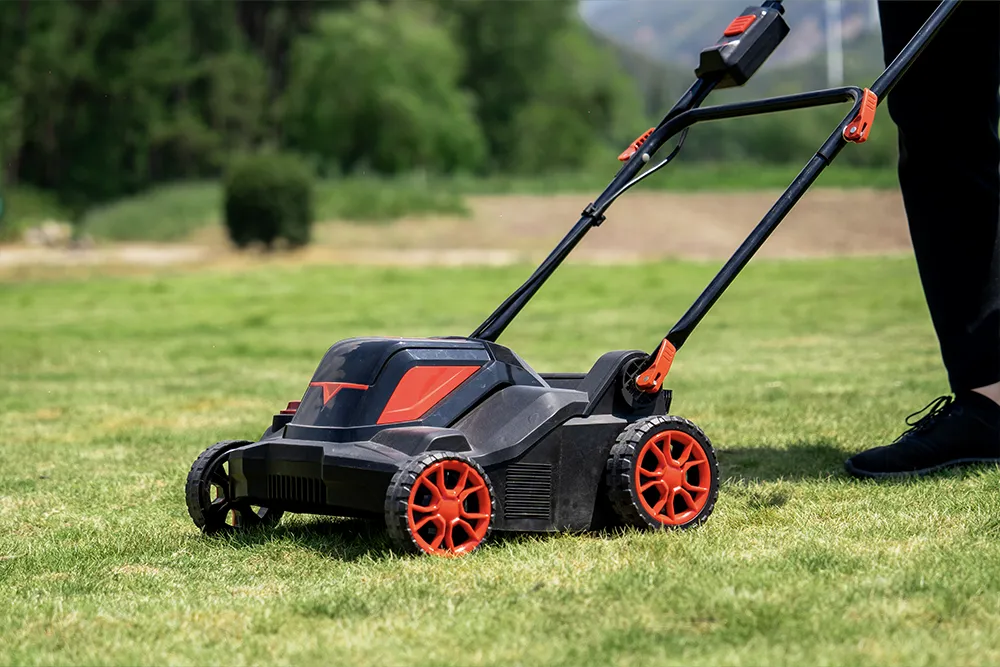
An electric mower is a lawn-cutting machine powered by a cord or rechargeable battery instead of gas. You should start by measuring your lawn size and noting slope, grass type, and obstacles.
For lawns under ¼ acre, a compact push mower with a 16–20 inch deck usually covers the area in one charge. For larger lawns up to 1 acre, you need a wider deck and extra battery capacity.
If your yard has hills or uneven ground, a self-propelled drive system reduces pushing effort. In practice, this matters because pushing a 50–70 lb mower uphill increases fatigue and slows mowing time.
Battery Type and Runtime
The battery is the main power source, and its voltage and amp-hour rating define runtime. Most modern electric mowers use 40V, 56V, or 80V lithium‑ion batteries.
Higher voltage allows the motor to maintain blade speed under load. For the user, this means fewer slowdowns in thick grass. Runtime typically ranges from 30 to 60 minutes per battery, depending on deck size and drive features.
Interchangeable batteries matter. Systems like shared 40V or 56V platforms work across mowers, trimmers, and blowers. This reduces the number of chargers you store and lowers replacement costs over time.
Cutting Width and Height
Cutting width is the span of grass cut in one pass. Common sizes range from 16 inches to 22 inches. A wider deck reduces the number of passes on larger lawns. In other words, you finish faster but use more battery per minute. Smaller decks save energy and work better in tight spaces.
Cutting height adjustment controls grass health. Look for a single‑lever height adjustment with at least 5–7 positions, usually from 1.5 to 4 inches. This range supports seasonal mowing and prevents scalping, which can stress grass roots.
Performance and Usability Factors
Performance depends on the motor design, deck material, and drive system. Many electric mowers use brushless motors, which reduce friction by using electronic control instead of physical brushes. For you, this means less heat, longer motor life, and steadier blade speed.
Deck material affects durability. Steel decks resist impact from rocks and sticks better than plastic. This lowers the risk of cracks during normal use.
Usability also includes weight and controls. Most electric mowers weigh 40–70 lbs. Fold‑flat handles and vertical storage reduce garage space, which matters in small homes.
Advanced Features and Safety Considerations
Advanced features improve control and safety without adding complexity. A blade‑stop or safety key system cuts power when you release the handle. This reduces injury risk during stops or adjustments.
Some mowers offer mulching, bagging, and side discharge in one deck. In practice, this lets you switch methods without buying extra tools. LED headlights and push‑button start improve visibility and ease of use, especially during early or late mowing.
Warranty and After-Sales Care
Warranty length shows how long the manufacturer expects the mower to last under normal use. Many electric mowers include 3–5 year tool warranties and 2–3 year battery warranties.
After-sales care includes parts access and service centers. Brands sold through major retailers often stock blades, batteries, and chargers locally. For you, this means faster repairs and less downtime during peak mowing season.
Budgeting and Value Assessment
Electric mower prices usually range from $300 to $800, depending on battery size and features. Entry-level models fit small lawns with light grass. Higher-priced models add wider decks, dual batteries, and steel construction.
You should balance upfront cost with expected lawn size, battery replacement cost, and warranty coverage to avoid overspending or underbuying.
How to Maintain and Store Your Electronic Mower?
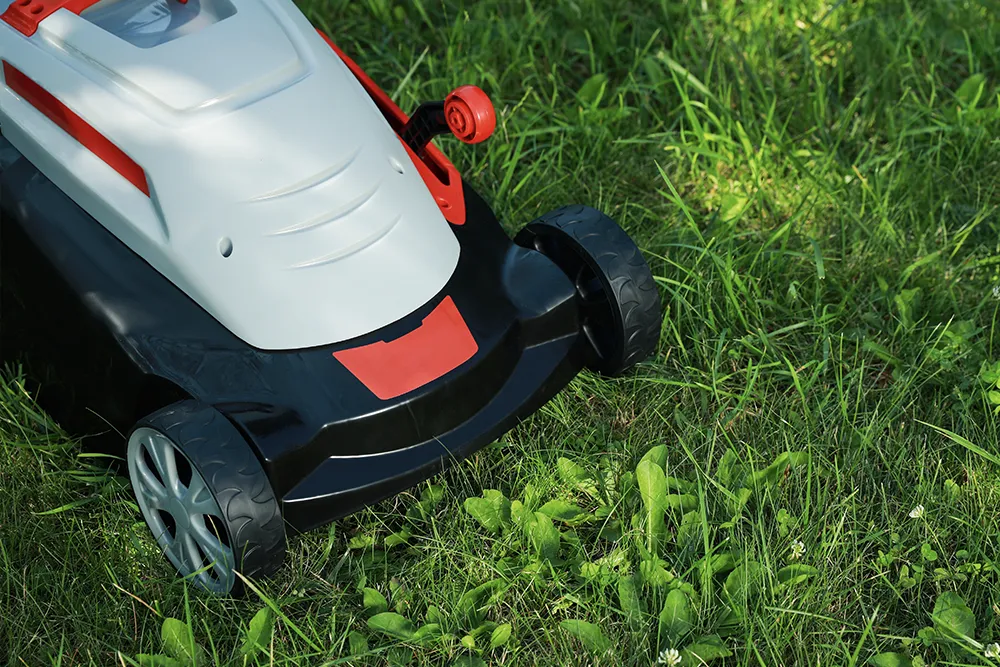
An electric mower needs regular care because moisture, grass buildup, and battery stress can shorten motor and battery life.
Clean the mower after each use. Remove the battery or unplug the cord first, brush off grass, and wipe the body dry. Fully dry metal parts to prevent rust.
Check the blade every few months. A straight steel blade cuts cleanly, reducing motor strain and ensuring an even lawn. Remove light rust with sandpaper; replace bent blades.
For cordless models, store lithium‑ion batteries at 50–70% charge. Keep them in a dry, ventilated area to prevent corrosion and heat damage.
Storage checklist:
- Remove the battery
- Turn all switches off
- Keep the mower flat
- Cover lightly to block dust while allowing airflow
FAQs
What is the optimal voltage for a powerful electric lawn mower?
Most cordless electric mowers use 36V to 80V battery systems.
A 40V to 56V mower provides enough torque to cut thick grass because the motor receives more electrical current under load. In practice, this means the blade slows less when you mow dense or damp areas.
For large yards or fast mowing, 60V to 80V systems deliver longer runtime and higher blade speed. You gain wider cutting decks and fewer passes, but the mower weighs more and costs more.
How do I determine the best electric lawn mower for a small yard?
A corded mower or a battery mower with a 20V to 40V system fits this space well. A small yard usually measures under 0.25 acres.
Corded mowers draw constant power from an outlet, so the blade speed stays steady. For you, this means no charging breaks and a lower upfront cost if an outlet reaches the lawn.
If you prefer cordless, choose a mower with a 14- to 16-inch deck and 30 to 45 minutes of runtime. This size cuts efficiently while staying light enough to store in tight spaces.
Is a corded electric mower a better choice than a battery-powered one?
No, there’s no single “better” choice; it depends on your needs.
A corded electric mower is better for small lawns where unlimited runtime and long-term reliability matter, as it draws constant power from the wall and avoids battery replacement. The downside is managing the cord and limited range.
A battery-powered mower offers more freedom of movement and quicker setup but requires planning around charge time and eventual battery replacement. Choose corded for consistent power and small areas, battery-powered for mobility and convenience.
Want to Know More About Our Products?
View All Products Now