Chainsaw File Size: The Ultimate Guide to Proper Selection and Use
Jump to section
The correct chainsaw file size depends on the chain’s pitch and gauge, which determine how sharply and safely the saw cuts. Using the wrong file can dull the chain or cause uneven wear, making work harder and less safe. Chainsaw maintenance experts agree that matching the file to the chain ensures clean, efficient cutting and extends the tool’s life.
This guide explains what a chainsaw file is, how it works with the chain, and how to choose the right file size for a specific setup. It draws on field experience and industry standards to help users select tools that make sharpening fast and effective.
Readers will learn how to measure chain pitch, use proper filing angles, and maintain the chain for lasting performance. By the end, anyone using a chainsaw can feel confident about sharpening correctly and keeping the saw ready for any job.
What is a Chainsaw Chain?
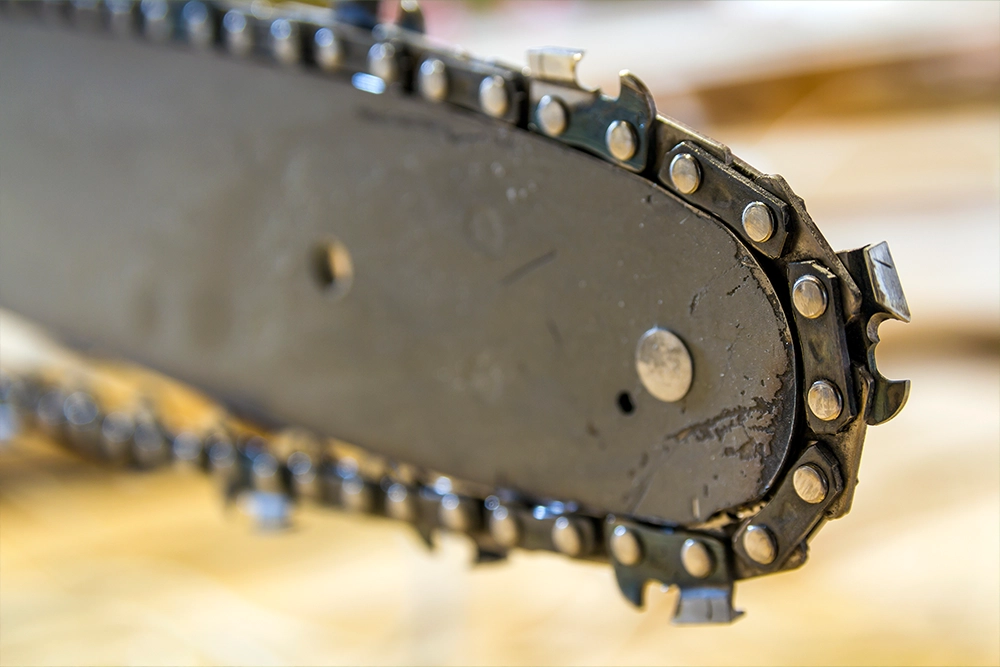
A chainsaw chain is the cutting component that loops around the saw’s guide bar and slices through wood using its sharp teeth. It moves at high speed, powered by the chainsaw’s engine or motor, to make smooth and consistent cuts.
Each chain has three main parts: cutting teeth, drive links, and tie straps. The cutting teeth remove material, the drive links fit into the guide bar’s groove, and the tie straps connect the teeth and links together. The spacing between these parts, called the pitch, and the thickness of the drive links, known as the gauge, determine which file size is used for sharpening.
What is a Chainsaw File?
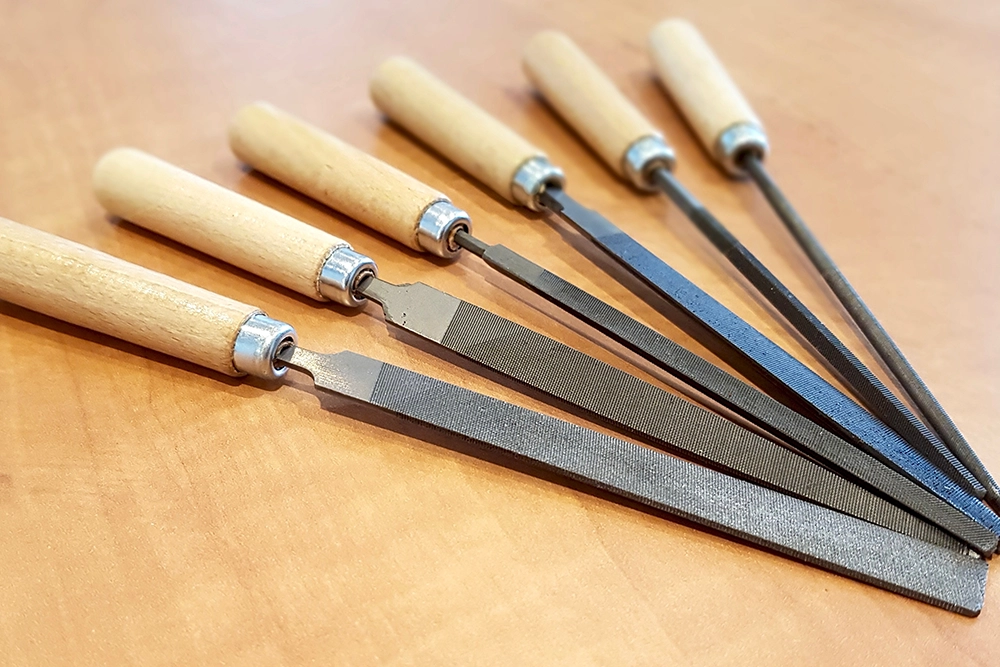
A chainsaw file is a round or flat metal tool used to sharpen the cutting teeth and depth gauges on a chainsaw chain. Using the correct file type and size keeps each tooth sharp, improves cutting performance, and extends the lifespan of both the chain and saw. Choosing the right file ensures proper tooth geometry and safe, efficient cutting.
What are the Shapes of the Chainsaw File?
The shapes of the chainsaw file include:
- round files
- flat files
Chainsaw files come in a few main shapes, such as round and flat files, designed for specific sharpening tasks. The round file is most common and used for standard chain teeth. The flat file is used on the depth gauges (also called rakers) to control cutting depth. Some professional sharpeners use square files for chisel-style chains found on high-performance saws.
Round files vary in diameter depending on the chain pitch, while flat files focus on ensuring all rakers are even. Square files require more skill and are often paired with filing guides for accurate sharpening. The shape of the file determines how it contacts the metal tooth, directly affecting sharpness, balance, and safety during cutting.
What are the Popular Chainsaw Chain File Sizes?
Chainsaw files come in several standard diameters to match different chain pitches. Using the wrong file size affects the cutting angle and reduces efficiency. Each chain pitch has a recommended file size that keeps the cutting edge sharp and balanced.
Below is a chart of common chainsaw file sizes:
| Chain Pitch (inches) | Recommended File Size (inches) | Metric Equivalent (mm) |
| .325 | 5/32 | 4.0 |
| 3/8 Low Profile | 5/32 | 4.0 |
| 3/8 | 7/32 | 5.5 |
| .404 | 13/64 | 5.2 |
To find the correct file, users can check markings on the guide bar or in the user manual. Most files are sold in sets and paired with guides that help maintain consistent angles. Selecting the correct file size ensures even sharpening and prevents premature chain wear.
How to Choose the Right File Size for a Chainsaw Chain?
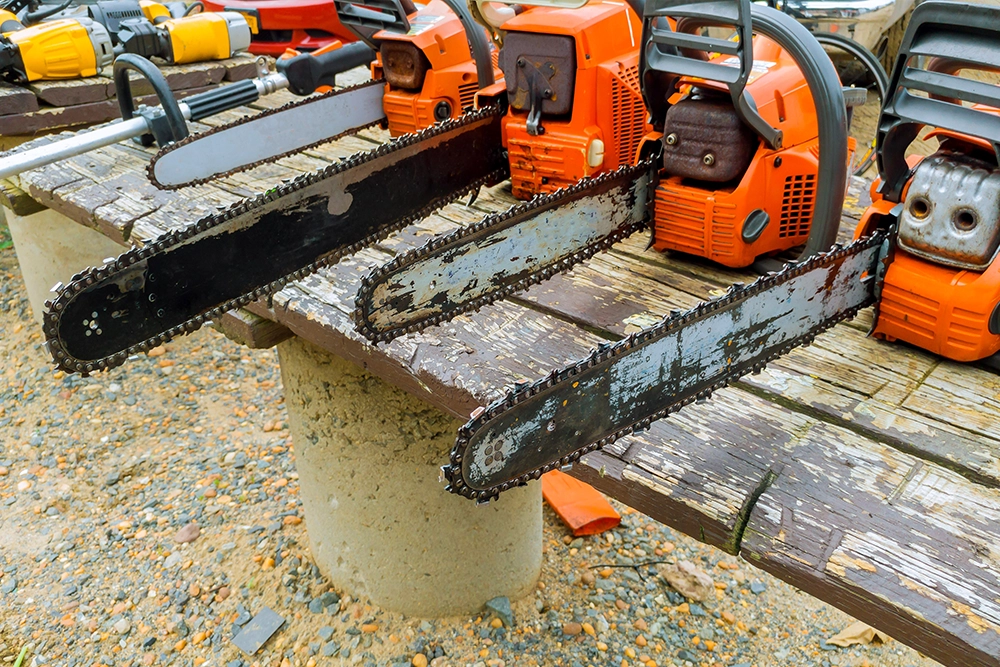
Selecting the proper chainsaw file size improves cutting accuracy, reduces wear, and extends chain life. File size must match the chain’s pitch and profile, which are determined by its design and how it fits the guide bar and drive links.
Tips for choosing the right file size for a chainsaw chain:
Match File Size to Chain Type
A chain file is a round or square tool used to sharpen the cutting teeth on a chainsaw chain. The correct file diameter depends on the chain pitch, which measures the spacing between the drive links. Using the wrong size file alters the tooth shape and reduces cutting efficiency.
These values suit most modern cutting chains, though variations exist between brands. Users should always compare their chain specifications to ensure compatibility. For best results, the file should extend about one-fifth above the top plate of the cutter tooth, allowing consistent sharpening angles.
File types vary in shape and cut. Round files fit standard cutter profiles, while square files are used for square-ground chains common on professional saws. Choosing the correct style helps maintain the chain’s designed edge geometry and balance between speed and durability.
Read Chain and Bar Markings
Every chainsaw chain and guide bar includes identifying numbers showing the pitch and gauge. The pitch value—such as 0.325″, 3/8″, or 0.404″—is often stamped on the drive links or printed on the chain’s packaging. The bar usually lists matching details near the tip or on the mounting rail.
To read these markings, users look for a string of numbers like 325-050-72. The first indicates pitch, the second is gauge (thickness of the drive link), and the last is the number of drive links. This information ensures that the proper file size is paired with both the chain and guide bar.
When markings are worn or missing, the distance between three consecutive rivets can be measured and divided by two to find the pitch. Confirming these numbers before sharpening prevents selecting an incorrect file, which could dull the cutters or change their angle. Accurate reading of these markings keeps sharpening consistent and extends the working life of the cutting chain.
How to Sharpen a Chainsaw Chain
Chainsaw sharpening restores the cutting edges on each tooth of the chain, improving cutting efficiency and reducing strain on the motor. A sharp chain cuts cleanly and safely, while a dull one can cause kickback or uneven cutting.
Before starting, the spark plug should be disconnected, and the chain cleaned to remove sawdust and debris. The chainsaw must rest on a stable surface or be secured in a vise to keep it from moving during filing.
During sharpening, each cutter is filed from the inside toward the outside with smooth, even strokes. It is best to repeat the same number of strokes per cutter—typically 3 to 5. After one side is complete, the chainsaw can be rotated or repositioned to sharpen the other side.
How to Maintain a Chainsaw Chain
Methods to maintain a chainsaw chain include:
- Clean regularly
- Proper tension
- Lubricate
- Sharpen
- Replace damaged or stretched chains
- Store in a dry place
Keeping a chainsaw chain in good condition helps the saw run smoothly, cut efficiently, and last longer.
Regular cleaning prevents sawdust, sap, and oil buildup. After each use, debris should be removed from the chain and bar using a soft brush or compressed air. Checking and cleaning the oil holes also keeps lubrication flowing properly.
Proper tension is important. A chain that is too tight causes excess wear, while one that is too loose can slip off the bar. The chain should rest snugly against the bar but move freely when pulled by hand.
Lubrication reduces friction and overheating. Bar and chain oil should always be used, and the oil reservoir kept full before cutting.
Sharpening is another key task. Using the correct file size for the chain pitch ensures the cutters remain sharp. Dull teeth make the engine work harder and raise the risk of kickback.
Damaged or stretched chains should be replaced promptly, and the saw stored in a dry place to prevent rust.
FAQs
What is the appropriate file size for a 3/8 pitch chainsaw chain?
A 3/8 pitch chainsaw chain requires either a 7/32‑inch (5.5 mm) or 13/64‑inch (5.2 mm) round file. The exact size may differ slightly based on the chain manufacturer’s specifications, but both options fit most standard 3/8 pitch chains.
Using the correct file size ensures the right filing angle and depth, helping each cutting tooth maintain its shape and performance.
How many file strokes does it take to sharpen a chainsaw?
Sharpening a chain usually takes about 2 to 10 strokes per tooth, depending on how dull or damaged the cutters are. Fewer strokes are needed for light touch-ups, while more may be required if the chain has hit dirt or metal.
Each stroke should be smooth and even, following the same angle and pressure to maintain consistency across all teeth.
How many drive links are in a 20-inch chainsaw?
A 20-inch chainsaw bar typically uses a chain with 72 drive links, though the number can vary by model and brand. Some may use 70 or 76 links depending on bar design and chain pitch.
The correct number of drive links ensures the chain fits properly around the bar and sprocket, allowing safe and efficient cutting.
Want to Know More About Our Products?
View All Products Now