Руководство по размерам режущего механизма газонокосилки: как выбрать подходящую ширину кошения для вашего газона
Перейти к разделу
Размер режущего механизма газонокосилки — это ширина кошения корпуса ножей, измеряемая в дюймах от одного внешнего края зоны кошения до другого. Размер режущего механизма определяет скорость кошения, легкость маневрирования вокруг деревьев и клумб, а также площадь газона, с которой косилка может справиться без лишних усилий. Диапазон варьируется от 14-дюймовой косилки с барабаном для небольшого дворика до 72-дюймовой косилки с нулевым радиусом поворота для коммерческих объектов — при этом для большинства газонов оптимальный размер колес составляет от 21 до 54 дюймов.
В этом руководстве подробно описано, как измерить размер террасы, какой размер подходит для того или иного газона, какие плюсы и минусы связаны с выбором большего или меньшего размера, а также что предлагают ведущие бренды в каждом формате.
Как измеряется размер режущего механизма газонокосилки
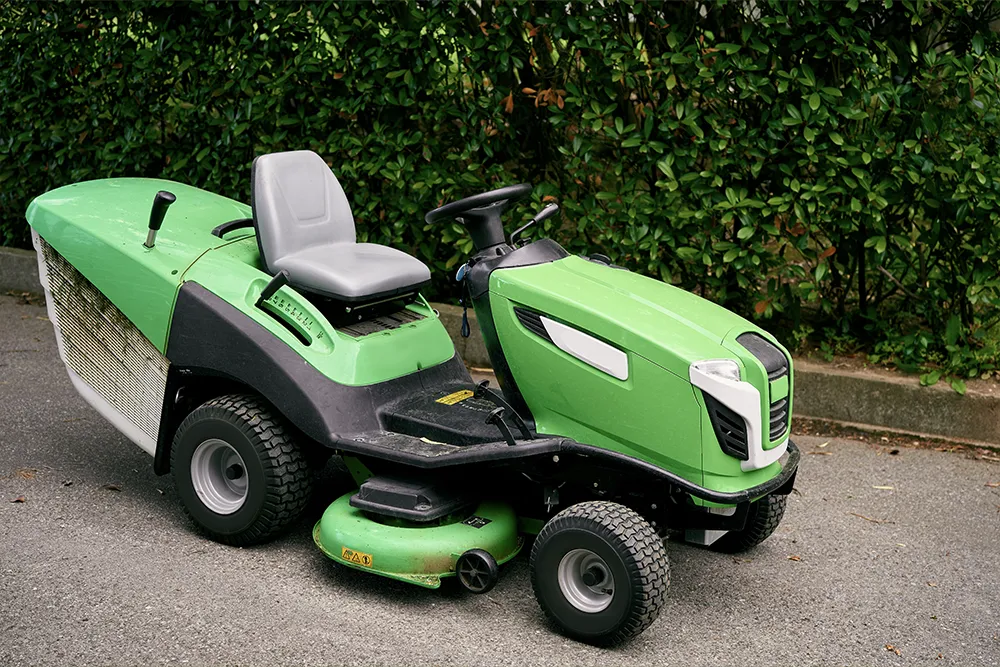
Размер колоды, указанный в техническом паспорте, относится к траектория реза по лезвиям — а не по внешней поверхности корпуса. Производители измеряют его от кончика до кончика по всей ширине реза лезвия.
В США размер платформы указывается в дюймах. В Европе — обычно в сантиметрах. Платформа длиной 21 дюйм составляет примерно 53 см, а 42 дюйма — примерно 107 см.
Небольшое замечание, которое сбивает с толку многих покупателей, приобретающих такую технику впервые: “21-дюймовая платформа” редко имеет размер ровно 21 дюйм по внешнему периметру корпуса. Корпус с каждой стороны шире на несколько дюймов. При замене ножей или покупке запчастей всегда измеряйте траекторию реза — линию, описываемую кончиками ножей, — чтобы убедиться в фактическом размере.
Рекомендуемый размер режущего механизма газонокосилки в зависимости от площади газона
Самый быстрый способ выбрать размер платформы — соотнести его с площадью вашего газона. В приведенной ниже таблице представлены площадь газона, рекомендуемая ширина платформы, соответствующий тип газонокосилки и примерное время кошения.
| Площадь газона | Рекомендуемый размер колоды | Тип косилки | Примерное время кошения |
| Менее ¼ акра (≤10 890 кв. футов) | 14–21 дюйма | Ручная косилка с приводом от катушки или с ручным приводом | 20–30 минут |
| от ¼ до ½ акра | 21–30 дюймов | Самоходная косилка с ручным управлением | 30–60 минут |
| от ½ до 1 акра | 30–42 дюйма | Широкопрофильный пеший трактор или небольшой трактор с сиденьем | 45–75 минут |
| от 1 до 3 акров | 42–54 дюйма | Газонный трактор или бытовой трактор с нулевым радиусом поворота | 1–2 часа |
| 3 акра и более | 54″–72″+ | Коммерческий трактор с нулевым радиусом поворота или трактор для уборки больших площадей | 2 и более часов |
Менее ¼ акра — режущие деки от 14″ до 21″
Для небольшого городского дворика, участка у таунхауса или внутреннего двора вполне подойдет ручной газонокосилка шириной 16, 18 или 21 дюйм. Более широкая режущая дека занимает лишнее место в сарае и затрудняет маневрирование вокруг узких клумб. А Аккумуляторная газонокосилка 20 В с рабочей шириной от 16 до 18 дюймов идеально подходит для этой площади.
От ¼ до ½ акра — режущие деки от 21″ до 30″
Это самый распространённый тип газона в американских пригородах. Основным инструментом для ухода за ним служит самоходная косилка с шириной захвата 21 дюйм. Для газонов, размеры которых находятся в верхней части этого диапазона, широкопроходная косилка с шириной захвата 30 дюймов позволяет сократить время стрижки примерно вдвое.
От ½ до 1 акра — режущие механизмы шириной от 30″ до 42″
При площади более полуакра стрижка газона с помощью ручной косилки начинает казаться тяжёлой работой. Небольшой газонокосильный трактор или ручная косилка для больших площадей с режущим механизмом шириной от 36 до 42 дюймов позволяет работать быстрее, с меньшим утомлением и более аккуратно на неровной поверхности.
От 1 до 3 акров — рабочие платформы шириной от 42″ до 54″
Здесь лучше всего подойдет газонокосилка-трактор. Газонокосилка-трактор с шириной реза 42 или 46 дюймов подходит для ухода за большинством участков такого размера. Газонокосилка-трактор с шириной реза 48 или 54 дюймов бытовой газонокосилка с нулевым радиусом поворота быстрее обрабатывает ту же площадь и более маневренно обходит деревья.
От 3 акров — рабочие платформы длиной от 54″ до 72″+
Для ухода за частными участками, фермами и коммерческими объектами требуются косилки с шириной реза не менее 54 дюймов. Обычно для таких задач используются коммерческие косилки с нулевым радиусом поворота или косилки-райдеры для обширных территорий шириной 60 или 72 дюйма. При таких размерах основным критерием становится почасовая производительность — более широкая косилка окупается за счет экономии топлива и трудозатрат при каждом кошении.
Размеры режущего механизма газонокосилок в зависимости от типа косилки
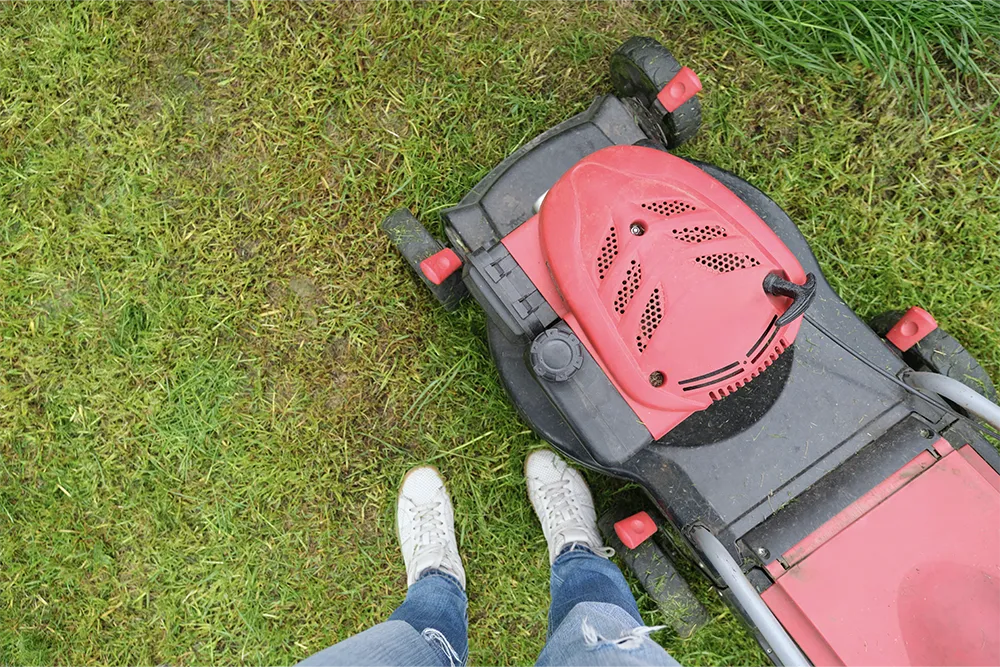
Размер рабочей платформы также зависит от типа выбранной вами косилки. Для каждого формата предусмотрен стандартный диапазон размеров.
| Тип косилки | Типичный диапазон палуб |
| Ручная косилка с барабаном | 14–18 дюймов |
| Ручная тележка с толкающим механизмом | 16″–22″ |
| Самоходная косилка с ручным управлением | 20–30 дюймов |
| Широкопрофильный пешеходный трактор | 30″–36″ |
| Газонокосилка с открытой кабиной | 36″–52″ |
| Газонный трактор / трактор с задним расположением двигателя | 38″–54″ |
| Газонкосилка с нулевым радиусом поворота для частного использования | 42–54 дюйма |
| Коммерческий трактор с нулевым радиусом поворота | 48″–72″ |
| Роботизированная газонокосилка | 7″–22″ |
Ширина ручной косилки с ручным приводом ограничена тем, что без посторонней помощи её становится невозможно толкать. А ширина косилки с нулевым радиусом поворота ограничена тем, что при ещё большем сужении трассы её использование становится невыгодным. Диапазон ширины режущего механизма для каждой модели отражает реальные условия ухода за газонами.
Преимущества и недостатки большого и малого режущего механизма газонокосилки
Более просторные террасы позволяют сэкономить время. Небольшие террасы — место и деньги. Выбор зависит от того, что для вас важнее.
Время кошения изменяется примерно линейно
42-дюймовая режущая платформа косит на том же газоне примерно в два раза быстрее, чем 21-дюймовая. Логика проста: чем шире полоса скашивания, тем меньше проходов. Но это работает только в том случае, если ваш газон не засажен деревьями и клумбами. На участке, засаженном деревьями и клумбами, более широкая режущая платформа замедляет работу на поворотах.
Маневренность снижается с увеличением ширины
21-дюймовый трактор с ручным управлением легко маневрирует вокруг деревьев. А 60-дюймовый трактор с нулевым радиусом поворота — нет. На лужайке с множеством препятствий более широкая режущая дека вынуждает делать дополнительные проходы и подравнивать траву. Многие домовладельцы сочетают широкую режущую деку с более маленьким стриггер или кусторез для обработки краёв.
Важное значение имеют объем памяти и ширина затвора
Ширина большинства боковых ворот в жилых домах составляет около 36 дюймов. Ручная газонокосилка с шириной захвата 30 или 36 дюймов как раз проходит через них. А вот самоходная газонокосилка шириной 42 дюйма — нет. Если единственный доступ к заднему газону — через стандартные ворота, сначала измерьте их.
Расход топлива и заряд аккумулятора увеличиваются с ростом ширины
Более широкая платформа обрабатывает больше травы за один проход — и при этом потребляет больше мощности. На Беспроводная газонокосилка на 60 В, время работы аккумулятора на одном комплекте уменьшается по мере увеличения ширины режущего механизма. Если вы косите более половины акра в автономном режиме, запаситесь вторым комплектом аккумуляторов.
Качество среза на неровной поверхности
Более широкая режущая платформа обеспечивает более высокую и ровную стрижку. На неровных газонах такая платформа может срезать верхушки травы на возвышенностях, не задевая при этом впадины. Более узкие режущие платформы более точно повторяют рельеф поверхности. На неровных газонах режущая платформа шириной 21 или 30 дюймов часто обеспечивает более аккуратную стрижку, чем самоходная косилка с платформой шириной 54 дюйма.
Материал и конструкция палубы
Размер палубы — это только одна сторона вопроса. Другая — конструкция палубы.
Штампованная сталь и кованая сталь
A поддельная колода изготавливается штамповкой из цельного листа стали. Такая конструкция дешевле и легче и является стандартной для газонокосилок бытового назначения шириной до примерно 46 дюймов.
A сборная палуба изготовлена из нескольких сварных стальных пластин. Она тяжелее, прочнее и рассчитана на то, чтобы выдерживать удары и наезды на бордюры без деформации. Сварные платформы доминируют на рынке коммерческих газонокосилок с нулевым радиусом поворота. Они стоят дороже, но при эксплуатации в тяжелых условиях служат на несколько лет дольше, чем штампованные платформы.
Толщина калибра
В случае стальных настилов показатель «gauge» указывает на толщину стали. Чем меньше число, тем толще сталь:
- 12-го калибра (около 0,105″) — стандарт для домовладельцев
- 11-го калибра (около 0,120″) — просумер / широкополосная связь
- 10-го калибра (около 0,135 дюйма) — коммерческое
Сварная платформа толщиной 10 гаужей на коммерческом газонокосилке с нулевым радиусом поворота весит больше, но выдерживает многолетние удары о бордюры, камни и корни деревьев.
Алюминиевые и полимерные палубы
В некоторых газонокосилках премиум-класса для частного использования используются алюминиевые палубы. Они стоят дороже, но никогда не ржавеют. Полимерные настилы такие модели встречаются среди некоторых аккумуляторных ручных газонокосилок — они легкие, бесшумные, устойчивы к ржавчине и отлично подходят для небольших приусадебных участков.
Как размер рабочей платформы влияет на мульчирование, сбор в мешок и выброс
Большинство современных газонокосилок оснащены Деки «3 в 1» — они могут разбрасывать скошенную траву по газону в качестве мульчи, собирать её в мешки или выбрасывать вбок. Размер рабочей платформы влияет на эффективность каждого из этих режимов.
Мульчирование измельчает скошенную траву на мелкие кусочки и разбрасывает их по газону в качестве удобрения. Наилучший результат достигается на агрегатах, оснащённых мульчирующими ножами и дефлекторами. На очень широких агрегатах эффективность мульчирования может снижаться, если воздушный поток не рассчитан на такую работу.
Упаковка в мешки собирает скошенную траву в задний или боковой мешок. Вместимость мешка должна соответствовать размеру режущего механизма — 21-дюймовая газонокосилка с мешком объемом 1,9 бушеля заполняется примерно за то же количество проходов, что и 48-дюймовая самоходная косилка с мешком объемом 7 бушелей.
Боковой выпуск выбрасывает скошенную траву вбок. Этот режим наиболее эффективен при кошении высокой травы и на больших участках, где вас не беспокоит появление полосы скошенной травы. Большинство косилок для обширных участков и коммерческого использования по умолчанию настроены на боковой выброс.
Для большинства домовладельцев мульчирование является стандартным способом. А для бригад по уходу за газонами, работающих в условиях осенней листвы, большее значение имеет сбор листьев в мешки.
Типовые размеры косильных агрегатов по основным брендам
Каждый крупный бренд предлагает в своей линейке продукции стандартный набор размеров палуб. В приведенной ниже таблице представлена краткая справочная информация.
| Бренд | Линейка ручных моделей | Диапазон езды | Диапазон поворота на месте |
| Хонда | 21″ | — | — |
| Toro | 20–30 дюймов | 38″–54″ | 42″–60″ |
| Husqvarna | 21–30 дюймов | 42–54 дюйма | 42″–61″ |
| Джон Дир | 21–22 дюйма | 42–54 дюйма | 48–60 дюймов |
| Cub Cadet | 21″ | 42–54 дюйма | 42″–60″ |
| Ryobi | 16–21 дюйма | 30″–46″ | 42–54 дюйма |
| EGO Power+ | 21–22 дюйма | — | 42–52 дюйма |
| Greenworks | 17–25 дюймов | — | 42–48 дюймов |
Тенденция прослеживается довольно чётко: ширина ручных газонокосилок составляет около 21 дюйма, тракторов для стрижки газонов — от 42 до 54 дюймов, а у газонокосилок с нулевым радиусом поворота — самый широкий диапазон. Для владельца бренда, создающего собственную торговую марку линейка газонокосилок, а соответствие стандартным размерам пачек упрощает размещение товара в розничной торговле — покупатели привыкли к именно таким ширинам.
Как измерить размеры корпуса вашей газонокосилки
Если вы меняете лезвия или покупаете запчасти, тщательно измерьте размеры.
Для ручной, поднимите косилку (с выключенным двигателем и снятой свечой зажигания в целях безопасности) и измерьте расстояние по прямой от кончика одного ножа до кончика другого по режущей кромке.
Для газонокосилка-трактор или газонокосилка с нулевым радиусом поворота, технические характеристики деки обычно указаны на наклейке под сиденьем или на самой деке. Уточните их, измерив ход лопасти, а не внешний диаметр корпуса.
“21-дюймовый” режущий блок на типичной газонокосилке для частного использования часто имеет размер около 21 дюйма по линии хода ножей и от 22 до 23 дюймов по внешнему краю корпуса. Обе величины верны — они описывают разные части одного и того же режущего блока.
Часто задаваемые вопросы
Какого размера косилка мне нужна для участка площадью 1 акр?
Косилка с шириной реза от 42 до 54 дюймов без труда справляется с участком площадью 1 акр. Газонный трактор с шириной реза 42 дюйма скашивает примерно 1 акр за 45–60 минут. Модель с шириной реза 48 или 54 дюймов бытовой газонокосилка с нулевым радиусом поворота косит тот же газон за 30–45 минут.
Всегда ли косилка с более широкой рабочей платформой работает быстрее?
На открытых газонах — да: более широкая платформа позволяет скашивать больше травы за один проход. На газонах с большим количеством деревьев, клумб и узких поворотов более широкая платформа тратит больше времени на развороты и доработку краев. Оптимальным вариантом будет самая широкая платформа, которая всё ещё проходит между вашими препятствиями.
Какой размер режущего механизма чаще всего встречается у газонокосилок для частного использования?
21-дюймовая самоходная газонокосилка с ручным управлением является самой распространённой моделью для ухода за газонами в жилых районах Северной Америки. Что касается самоходных газонокосилок, то наиболее распространённым размером является 42-дюймовый трактор для стрижки газона.
Может ли ширина режущего механизма газонокосилки оказаться слишком большой для газона?
Да. Косилку, ширина которой превышает ширину самых широких ворот, трудно перемещать. Косилка, ширина которой превышает радиус самого узкого поворота, заставляет вас выполнять дополнительные проходы для докоски. Использование косилки на небольшом газоне приводит к тому, что большую часть времени вы тратите на повороты, а не на стрижку.
В чём заключается разница между штампованной и кованой палубой?
A поддельная колода изготавливается из одного листа стали. Она дешевле, легче и входит в стандартную комплектацию газонокосилок для частных домовладельцев. А сборная палуба сваривается из нескольких листов более толстой стали. Он стоит дороже и служит дольше. В большинстве коммерческих газонокосилок с нулевым радиусом поворота используются сборные режущие механизмы.
Влияет ли размер колоды на качество расклада?
Да. Более широкие режущие агрегаты косят более ровно, что может привести к срыванию верхушек травы на неровных газонах. Более узкие агрегаты лучше повторяют рельеф и обеспечивают более аккуратный срез на холмистой местности. На ровных, открытых газонах более широкий агрегат косит быстрее без потери качества. На холмистых или неровных газонах более узкий агрегат часто обеспечивает лучший результат. В компании Titantec мы производим линейки газонокосилок под собственными торговыми марками во всем диапазоне размеров рабочей платформы — от 16-дюймовых аккумуляторных ручных газонокосилок для рынка компактных садов до 46-дюймовых самоходных моделей для владельцев брендов, ориентированных на розничную торговлю в пригородах. Подбор размера рабочей деки в соответствии с сегментом рынка — одно из первых решений, которое принимает владелец бренда при запуске новой линейки. Остальные технические характеристики — двигатель, ножи, режим выброса, материалы — определяются исходя из этого единственного показателя.
Хотите узнать больше о нашей продукции?
Посмотреть все товары сейчас