Principais marcas de equipamento motorizado para exterior por região: um panorama global do setor
Saltar para a secção
As marcas de equipamento motorizado para uso exterior são as empresas que concebem, fabricam e comercializam ferramentas a gasolina e a bateria destinadas à manutenção de relvados, paisagismo e trabalhos florestais. O mercado global divide-se em cinco regiões principais. Cada região tem as suas próprias tradições de marcas, designs de motores e regras. Este guia apresenta as principais marcas na América do Norte, Europa, Ásia-Pacífico, América Latina e outros mercados — e revela a camada de fabricantes de equipamento original (OEM) que se encontra discretamente por trás de muitos dos nomes que conhece.
Se está a criar uma linha de marca própria, a fazer o aprovisionamento para uma cadeia de retalho ou simplesmente quer saber quem fabrica o quê, este mapa foi feito para si.
Como são agrupadas as marcas de equipamento motorizado para exterior
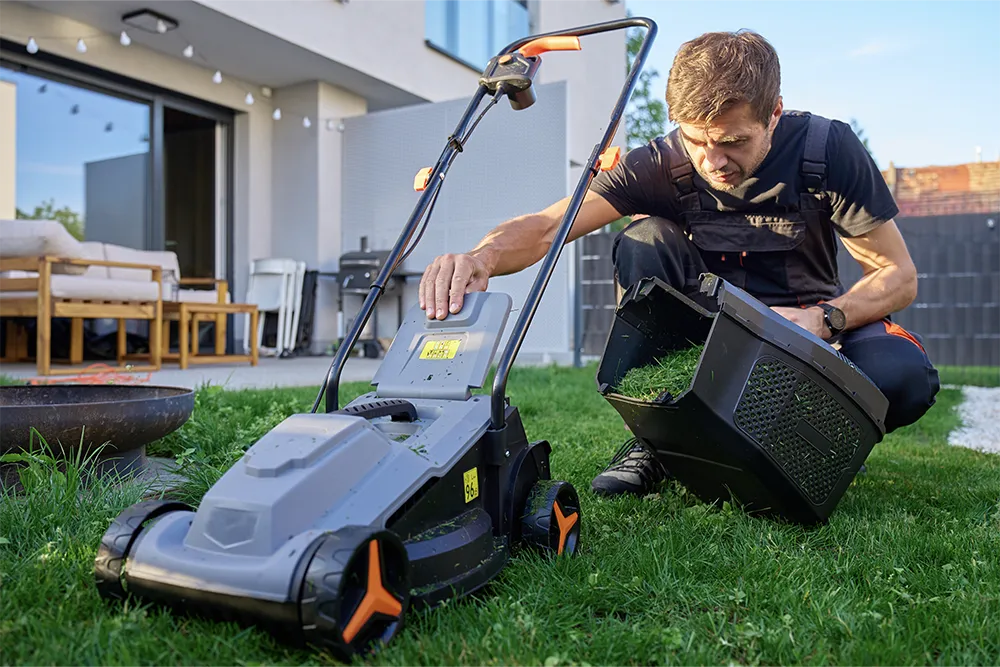
O setor classifica as marcas de três formas úteis. Cada uma delas fornece uma informação diferente.
O nível indica a quem se destina a marca. Marcas profissionais como a STIHL, a Husqvarna e a ECHO dirigem-se a lenhadores, arboristas e paisagistas a tempo inteiro. Marcas para profissionais e consumidores, como a EGO Power+ e a Greenworks 80V, situam-se num meio-termo. Marcas de consumo, como a Black+Decker e a Ryobi, destinam-se a proprietários de casas particulares com trabalhos de menor dimensão.
O propriedade revela quem é realmente o fornecedor. Algumas marcas gerem as suas próprias fábricas de ponta a ponta. Outras são linhas de marca própria produzidas por um fabricante por contrato, como a Titantec. Visto de fora, ambas parecem iguais. Por dentro, a cadeia de abastecimento é muito diferente.
O especialidade revela aquilo em que se destacam. Algumas marcas são conhecidas pelas motosserras. Outras destacam-se nos cortadores de relva, sopradores de folhas ou tratores comerciais de raio de viragem zero. Poucas marcas se destacam em todas as categorias.
Quando se analisa as marcas através destas três perspetivas, torna-se mais fácil compreender os padrões regionais.
Panorama das marcas de equipamento motorizado para atividades ao ar livre na América do Norte
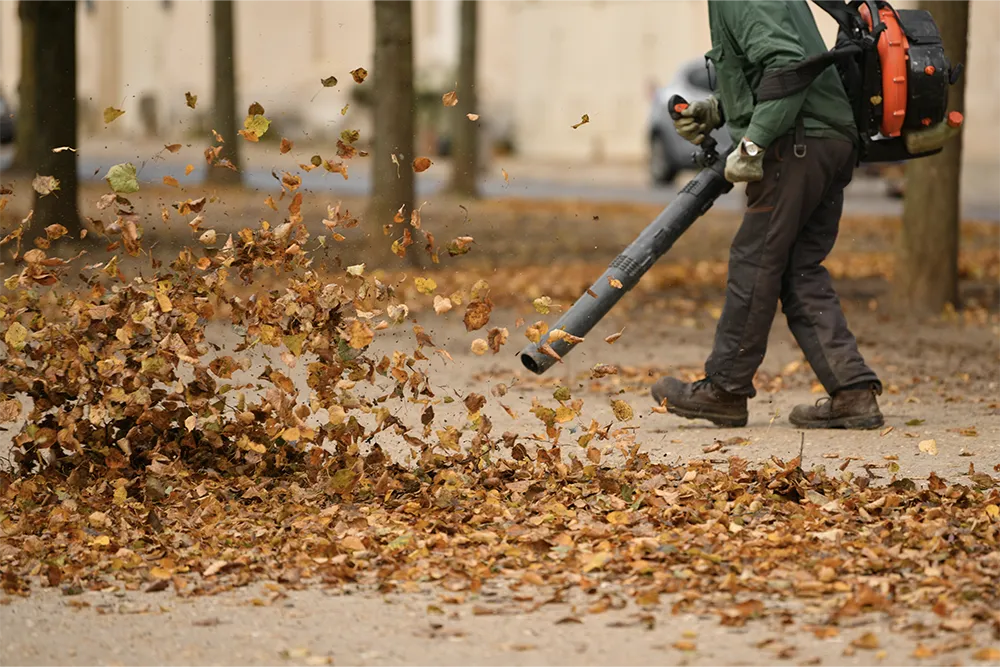
A América do Norte é o maior mercado mundial de equipamento motorizado para uso ao ar livre. É também o mercado mais concorrido. A lista de marcas divide-se em três partes principais.
Marcas tradicionais nascidas nos EUA.
Um pequeno grupo de marcas tem vindo a moldar os cuidados com os relvados nos Estados Unidos há mais de um século. John Deere (Moline, Illinois, fundada em 1837) fabrica tratores de relva de grande porte e cortadores de relva de raio de viragem zero. A Toro Company (Bloomington, Minnesota, fundada em 1914) é mais conhecida pelos seus cortadores de relva para uso doméstico e comercial. Briggs & Stratton (Wauwatosa, Wisconsin, fundada em 1908) fornece pequenos motores a gasolina que equipam muitas outras marcas. Cub Cadet fica por baixo de Produtos MTD (Valley City, Ohio), que a Stanley Black & Decker adquiriu em 2021.
Marcas globais com forte presença nos EUA
Várias marcas europeias e asiáticas exportam a maior parte do seu volume para a América do Norte. STIHL, Inc. gere uma grande fábrica nos EUA, em Virginia Beach. Husqvarna vende através de revendedores em todo o país e é proprietária de GARDENAe McCulloch. ECHO, parte do Japão Yamabiko Corporation, dedica-se às ferramentas manuais. Makita é um forte concorrente tanto no segmento dos aparelhos sem fios como no dos a gasolina.
Os primeiros concorrentes a apostar nos aparelhos sem fios
Um conjunto mais recente de marcas dispensou quase totalmente a gasolina. EGO Power+ (construído pela China) Chervon) lidera o segmento das ferramentas sem fios de alta tensão. Obras verdes (construído por Ferramentas Globe) e DEWALT (Stanley Black & Decker) tem crescido rapidamente nas plataformas de baterias de 40 V e 60 V. Ryobi, propriedade de Techtronic Industries (TTI) de Hong Kong, vende quase exclusivamente através da Home Depot.
Muitas vezes, a mesma empresa-mãe detém marcas que consideramos concorrentes. A TTI é proprietária da Ryobi e da Milwaukee. A Chervon fabrica as marcas EGO, SKIL e FLEX. Estas ligações são importantes quando se analisa equipamento motorizado sem fios para uso no exterior por quem realmente desenvolve a plataforma.
As marcas europeias de equipamento motorizado para exteriores e a sua história
A Europa é o segundo maior mercado e a sede de dois dos gigantes do setor. As marcas do continente dividem-se em três grupos.
O Eixo Alemão dos Motores de Dois Tempos
A Alemanha foi fundamental para o desenvolvimento da indústria moderna de motosserras e aparadores de dois tempos. STIHL (Andreas Stihl AG, fundada em 1926 em Waiblingen) é líder mundial no setor das motosserras. Motores de pequena cilindrada Solo, AL-KO Kober, e Einhell tudo remonta às tradições dos motores de pequena cilindrada na Baviera e em Baden-Württemberg. Robert Bosch GmbH traz a engenharia das ferramentas elétricas para o segmento de jardinagem com a sua linha Bosch Home & Garden.
Património Florestal Escandinavo
As tradições florestais da Suécia deram origem a duas das marcas de motosserras mais conhecidas do mundo. Husqvarna AB (Estocolmo, fundada em 1689 como fábrica de mosquetes) comercializa motosserras, aparadores e cortadores de relva robóticos em todo o mundo. Jonsered, agora parte do Grupo Husqvarna, conta com um grande número de adeptos entre os arboristas.
Especialistas em italiano e francês
Stiga S.p.A. (Castelfranco Veneto, Itália) é um importante fabricante de cortadores de relva e de máquinas de corte de relva com assento. Pellenc (França) é líder no setor das ferramentas profissionais sem fios para poda utilizadas em vinhas e pomares.
As marcas europeias operam ao abrigo de normas rigorosas em matéria de ruído e da norma de emissões Stage V da UE. Essa pressão regulamentar levou a Husqvarna, a STIHL e outras marcas a adotarem plataformas a bateria mais cedo do que muitas marcas norte-americanas.
Marcas de equipamento motorizado para exteriores na Ásia-Pacífico e o centro de produção
A região da Ásia-Pacífico tem duas facetas. Uma é a das marcas. A outra é a das fábricas que produzem para metade do mundo.
Marcas de referência japonesas
As marcas japonesas são conhecidas pela sua engenharia rigorosa e pela longa durabilidade dos seus produtos. Makita Corporation (Anjō, fundada em 1915) comercializa ferramentas a gasolina e sem fios em todo o mundo. Equipamento elétrico Honda é um dos principais fornecedores de pequenos motores de quatro tempos. Yamaha e Kawasaki Heavy Industries são as outras duas grandes marcas de motores. HiKOKI (anteriormente Hitachi Koki) e Yamabiko (pai/mãe de ECHO e Shindaiwa) completam a lista.
Conglomerados globais com sede na China
Atualmente, três empresas na China são responsáveis por uma grande parte da produção mundial de ferramentas elétricas para uso no exterior. Chervon fabrica as marcas EGO, SKIL e FLEX, além de várias linhas de ferramentas sem fio de marca própria. TTI é proprietária da Ryobi Outdoor e da Milwaukee, com fábricas importantes no Vietname e na China. Positec possui WORX e comercializa a sua própria marca em todo o mundo.
Por que razão muitas marcas “ocidentais” são criadas na região Ásia-Pacífico
Cerca de duas em cada três ferramentas elétricas para uso no exterior vendidas atualmente nos EUA são fabricadas na região da Ásia-Pacífico. A região oferece três vantagens ao mesmo tempo: montagem especializada de motores de pequeno porte, linhas maduras de baterias e motores BLDC, e uma sólida base de fornecimento de plásticos, engrenagens e caixas de alumínio. A maior parte deste trabalho concentra-se nas províncias de Zhejiang, Jiangsu e Chongqing.
É neste segmento que a Titantec atua. A nossa fábrica de 55 000 metros quadrados em Zhejiang fornece ferramentas a gasolina e a bateria a marcas e importadores em mais de 30 países. Muitas das marcas que se encontram nas prateleiras das lojas começaram por ser um ficheiro CAD num OEM/ODM ecrã do parceiro.
Marcas de equipamento motorizado para uso exterior na América Latina, no Médio Oriente e em África
Fora dessas três grandes regiões, a presença da marca diminui rapidamente.
Na América Latina, Tramontina (Brasil) e Vonder (Brasil) são as marcas nacionais mais fortes. Ambas recorrem a componentes e motores importados, procedendo depois à montagem, comercialização e distribuição a nível regional. No Médio Oriente e em África, o mercado é abastecido principalmente por importações — STIHL, Husqvarna, e Ferramentas TOTAL (Hong Kong) são comuns.
Em todas estas regiões, marcas próprias As marcas que se baseiam em fábricas OEM representam uma grande parte das vendas. A razão é simples: abrir uma fábrica própria é caro, mas lançar uma marca própria com uma parceiro OEM de confiança demora meses, não anos.
A camada OEM que se situa por baixo da camada da marca
A maioria dos compradores do setor retalhista encara o mercado de equipamento motorizado para exteriores como uma simples lista de marcas. O panorama completo tem duas vertentes.
A camada da marca é o que se vê — STIHL, Husqvarna, Toro, John Deere, Ryobi, EGO. Estas empresas são responsáveis pelo marketing, pela garantia, pela rede de concessionários e, muitas vezes, pelo design.
O nível OEM/ODM é o que não se vê. Por trás de uma longa lista de marcas conhecidas, existe um fabricante por contrato que gere a linha de produção propriamente dita. Em alguns casos, o proprietário da marca concebe o produto e o fabricante por contrato limita-se a fabricá-lo (isto é OEM, fabrico de equipamento original). Noutros casos, o OEM também concebe a ferramenta a partir de uma especificação aberta ou de uma plataforma de referência (isto é ODM, (fabrico de produtos com design original).
Para um retalhista, um importador ou um proprietário de marca sem fábrica própria, a opção OEM/ODM tem três vantagens:
- Reduz o tempo entre a ideia e o primeiro contentor em 6 a 12 meses.
- Permite que uma marca ofereça uma gama mais ampla de produtos — a gasolina, a bateria, veículos comerciais ligeiros — sem ter de possuir os moldes e as ferramentas para cada um deles.
- Isso mantém o custo das mercadorias suficientemente baixo para garantir uma margem de lucro real no retalho.
Atualmente, o MOQ mais comum no setor é de 100 a 300 unidades por SKU para ferramentas a gasolina e a bateria de marca própria. Abaixo desse número, normalmente paga-se uma taxa de ferramentas. Acima das 1 000 unidades, o preço unitário desce acentuadamente.
Como escolher uma marca de equipamento motorizado para exteriores
A escolha da marca certa depende de quem a faz.
Para utilizadores finais (proprietários e profissionais)
Preste atenção a três coisas. Primeiro, o garantia e rede de concessionários na sua região — uma excelente ferramenta sem assistência local é um problema. Em segundo lugar, o compatibilidade da plataforma de baterias Se optar por um modelo sem fios, vai querer baterias que possa utilizar em vários aparelhos a sua motosserra, o seu aparador e o seu soprador. Em terceiro lugar, disponibilidade de peças para correntes, lâminas, filtros e velas de ignição daqui a cinco anos.
Para importadores, distribuidores e grossistas
A escolha muda. Tu ponderas margem (o seu custo de importação em comparação com o seu preço de venda ao público), Quantidade mínima de encomenda (quantidade mínima de encomenda, que determina o seu fluxo de caixa), prazo de entrega (12 a 16 semanas é normal para ferramentas novas), e conformidade com a certificação(CE para a Europa, EPA Fase 3 para ferramentas a gás nos EUA, UN38.3 para baterias de lítio em aeronaves).
Para proprietários de marcas que pretendem lançar uma marca própria
Este é o caminho que muitas marcas regionais e online seguem. Estabelece-se uma parceria com uma Fábrica OEM/ODM Tal como a Titantec, escolha uma plataforma, personalize a estrutura, as cores, as pás e os carregadores, e envie os produtos com o seu próprio logótipo. A fábrica encarrega-se dos processos de certificação, da produção de amostras e da produção em grande escala. A marca, os clientes e o mercado de revenda são seus — você fica a poupar no aço.
Perguntas mais frequentes
Qual é o maior fabricante mundial de equipamento motorizado para uso no exterior?
Grupo Husqvarna e Techtronic Industries (TTI) são normalmente as duas maiores em termos de receitas. A Husqvarna registou receitas superiores a 53 mil milhões de coroas suecas em 2023. O segmento de produtos para exterior da TTI (Ryobi, Milwaukee Outdoor e outros) gera fortes vendas a nível mundial. Grupo STIHL ocupa o terceiro lugar, com uma forte liderança especificamente no setor das motosserras.
Qual é a marca mais importante: a STIHL ou a Husqvarna?
O Grupo Husqvarna é maior em termos de receita total, mas a diferença é reduzida. A STIHL lidera a quota de mercado global das motosserras manuais. A Husqvarna lidera no segmento dos cortadores de relva robóticos e possui uma linha de produtos mais abrangente que inclui motosserras, aparadores, sopradores de folhas e equipamento para relvados.
Onde é que a maioria dos equipamentos motorizados para uso no exterior é fabricada?
A maior parte do equipamento motorizado para uso no exterior é fabricada na região da Ásia-Pacífico. A China, o Japão e o Vietname, em conjunto, são responsáveis pela maior parte do volume de unidades expedidas para todo o mundo. Os EUA e a Alemanha continuam a fabricar localmente as gamas de gama alta e comerciais, mas os produtos sem fios e de consumo são, na sua maioria, fabricados na Ásia.
A EGO Power+ e a Greenworks são a mesma empresa?
Não. EGO Power+ é desenvolvido por Chervon (Nanjing, China). Obras verdesé desenvolvido por Ferramentas Globe (também sediadas na China). Trata-se de empresas distintas que competem no segmento de cortadores de relva e ferramentas de jardim sem fios de alta tensão.
Quais são as marcas de equipamento motorizado para exterior fabricadas na China?
Muitas marcas são total ou parcialmente fabricadas na China. Entre elas estão a EGO, a Greenworks, a WORX, a SKIL, a FLEX, a Ryobi Outdoor, a Hart e muitas linhas de marcas próprias vendidas em cadeias de retalho. Fabricado na China não significa baixa qualidade — a Chervon, a TTI e a Positec produzem linhas avançadas de baterias e motores BLDC que cumprem as normas japonesas e alemãs. Fabricantes como a Titantec também exportam linhas de gás e baterias de marca própria aos proprietários de marcas em todo o mundo.
Qual é a diferença entre uma marca OEM e uma marca própria?
A marca própria possui a sua própria fábrica e linha de produtos. STIHL, Husqvarna, John Deere e Honda são marcas próprias. Uma Marca OEM é fabricado por um fabricante por contrato para um proprietário da marca. O proprietário da marca pode conceber o produto, ou o fabricante por contrato pode concebê-lo de acordo com as especificações da marca. Muitas marcas de grandes superfícies e online são fabricadas por fabricantes por contrato.
Quer saber mais sobre os nossos produtos?
Ver todos os produtos agora