Como escolher as lâminas do cortador de relva?
Saltar para a secção
You choose lawn mower blades by matching the blade type and blade size to your plataforma de corte and your cutting goal, then keeping them sharp and replacing them when worn. Lawn mower blades are rotating steel parts under the deck that cut grass at a set height. When the blade fits the deck and the job, it cuts cleanly because the airflow and edge angle work as
This guide draws on manufacturer specs and field testing from lawn care pros who track cut quality and wear over full seasons. You will learn how blade types affect cut results, what factors matter when choosing mower blades, when replacement makes sense, and how sharpening and balance keep cuts even and engines running smoothly.
What are Lawn Mower Blade Types?
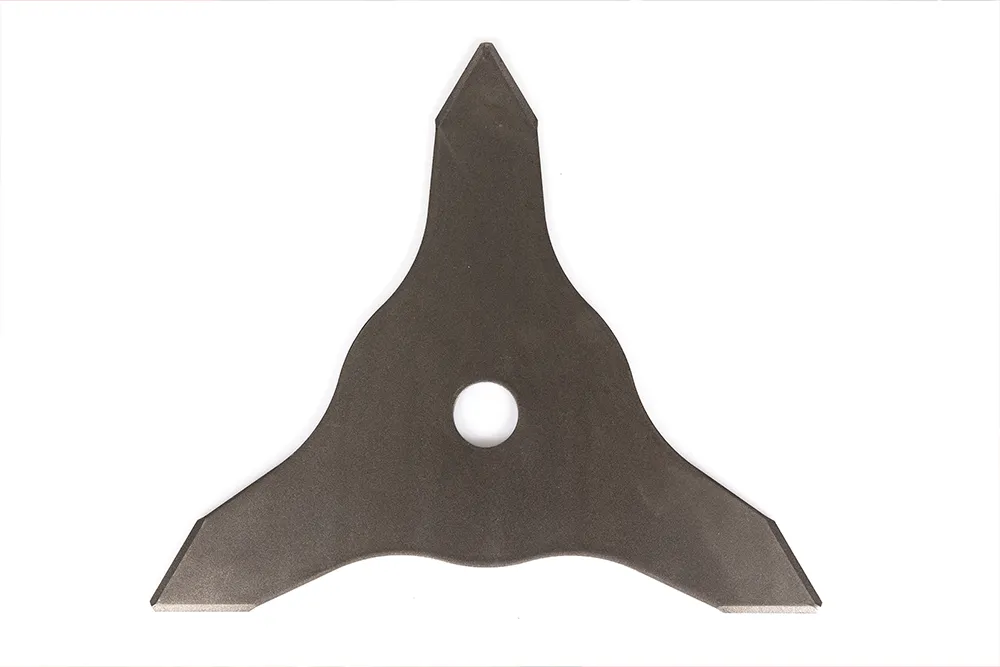
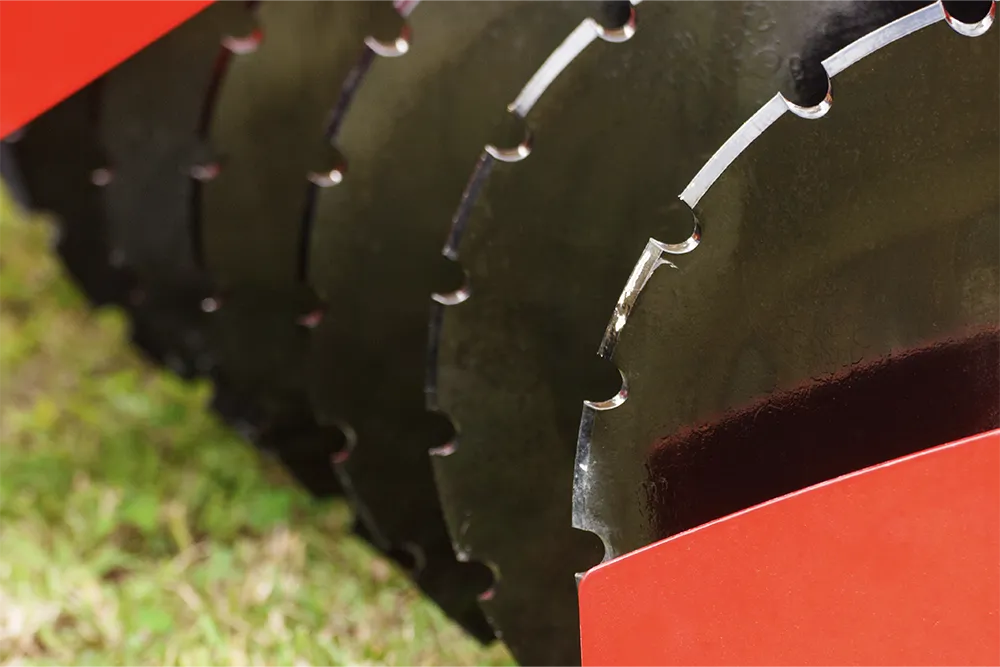
Lawn mower blades differ by shape, lift, and cutting edge design. Each blade type controls airflow, clipping size, and discharge path, which affects cut quality, engine load, and how you handle grass clippings.
Standard Blades
Standard blades are flat rotary blades with slightly curved ends that create moderate lift. You often see them called 2‑in‑1 blades because they cut grass and discharge it from the side. These mower blades balance airflow and cutting force. The mild curve pulls grass upright before the edge cuts it.
Standard blades are best for:
- Weekly mowing on healthy, dry grass
- Side-discharge mowers
- Flat lawns with medium grass height
Mulching Blades
Mulching blades are lawn mower blades with extra curves and multiple cutting edges. Many people call them 3‑in‑1 blades because they cut, recut, and mulch grass. The curved profile keeps clippings inside the deck longer. Because the blade strikes the grass several times, it reduces clippings into small pieces.
Mulching blades are best for:
- Frequent mowing with short grass
- Mulch-only or 3‑in‑1 blades setups
- Lawns where clippings stay on the surface
Gator Blades
Gator blades are a type of mulching blade with raised teeth along the cutting edge. These teeth create turbulence under the deck. The notched edge lifts grass higher before cutting. At the same time, the teeth shred clippings into finer pieces.
Gator blades are best for:
- Mixed cutting, mulching, and bagging
- Lawns with varied grass density
High-Lift Blades
High-lift blades have tall, sharply angled fins at the back edge. This design creates strong upward airflow. The increased lift pulls grass straight up for a cleaner cut. It also pushes clippings forcefully into a bag or out the chute.
High-Lifts are Best for:
- Bagging grass clippings
- Long or thick grass
- Riding mowers with strong engines
Low-Lift Blades
Low-lift blades have short fins and produce minimal airflow. The blade stays closer to the ground during rotation. Because suction stays low, less dust and debris enter the deck. Low-lift blades do not stand grass upright as well. Cut quality drops in thick or wet conditions.
Low-Lift blades are best for:
- Sandy or dusty lawns
- Side-discharge mowing
- Short grass with light growth
Bagging Blades
Bagging blades are designed to move clippings efficiently into a collection bag. Most use a high-lift or modified high-lift shape. Bagging blades work best with a fitted bagging system. Without a bag, clippings can scatter unevenly.
Bagging blades are best for:
- Clean lawn appearance
- Fall leaf collection
- Mowers with rear or side bags
Sand Blades
Sand blades are hardened mower blades built for abrasive conditions. They often use thicker steel and a blunt cutting edge. Sand blades do not produce a fine cut. They focus on durability over finish.
Sand blades are Best for:
- Coastal or desert lawns
- Sparse grass with exposed soil
- Utility and commercial mowers
How to Choose a Right Mower Blade?
Choosing the best lawn mower blade depends on exact measurements, the mounting pattern, and how you manage clippings. You also need to match blade design to grass height, moisture, and your mower’s engine and deck.
Step1: Measure Blade Size
Blade size means the total cutting length from one tip to the opposite tip, measured diagonally. Most walk‑behind mowers use blades between 12 and 22 inches, while riding mowers often use 42‑ to 54‑inch decks with multiple blades.
Use a tape measure and remove the blade for accuracy. Measuring across the center gives the wrong length.
In practice, correct length matters because an oversized blade can hit the deck, while a short blade leaves strips of uncut grass. Both reduce lawn health and increase mowing time during lawn maintenance.
Step2: Check Mounting Hole Size and Pattern
The mounting hole connects the blade to the spindle, and its shape must match exactly. Common patterns include round, 5‑point star, 6‑point star, H‑pattern, and bow‑tie.
Measure the center hole diameter if it is round. Count points if it is star‑shaped. Also note any side holes and their spacing.
This matters because an incorrect pattern causes vibration. For the user, this means uneven cutting, loose bolts, and faster spindle wear. Secure mounting protects bagging performance and keeps clippings flowing evenly.
Step3: Select Blade Type
Blade type controls how the mower handles suction, discharge, and mulching. Each design suits different grass and lawn care goals.
Select the blade type based on your mowing needs:
- Standard Blades: Ideal for regular cutting.
- Mulching Blades: Chop grass finely for natural fertilization.
- High-Lift Blades: Improve bagging and handle thick or tall grass.
- Low-Lift Blades: Reduce dust and work well on sandy or dry lawns.
- Bagging Blades: Optimized for pushing clippings into a collection bag.
- Sand Blades: Designed for sandy or dusty areas.
Step4: Match Mower Compatibility
Mower compatibility includes deck size, engine power, and manufacturer limits. Engine output, often listed in horsepower or torque, determines how well it spins heavier blades.
Thicker mulching or gator blades weigh more than standard blades. On small engines, this reduces blade speed.
In real use, low blade speed leads to torn grass tips, especially in wet grass. Check your manual for approved blade styles. Matching design to mower protects lawn health and avoids engine strain.
Step5: Evaluate Material Quality and Durability
Blade material affects edge life and impact resistance. Most mower blades use heat‑treated carbon steel, usually 10B38 or 15B30 steel, with a thickness near 0.135–0.160 inches.
Heat treatment hardens the cutting edge while keeping the body flexible. Because of this balance, the blade resists cracking when it hits small debris.
For the user, this means fewer chips and longer intervals between sharpening. Replace blades with cracks or bent edges, since steel fatigue weakens balance and cutting accuracy.
Step6: Optimize Cutting Performance and Airflow
Cutting performance depends on blade edge shape and airflow under the deck. Lift wings create suction that pulls grass upright before cutting.
More suction improves results in tall grass and wet grass. It also improves discharge distance and bag filling. Less suction works better on dry grass and dusty soil. It reduces debris blowback and protects engine speed.
Choose airflow based on how you handle clippings. Mulching blades keep clippings circulating longer, which helps recycle nutrients back into the soil. Bagging blades move clippings fast to prevent clogging during heavy growth.
When Should You Replace Lawn Mower Blades?
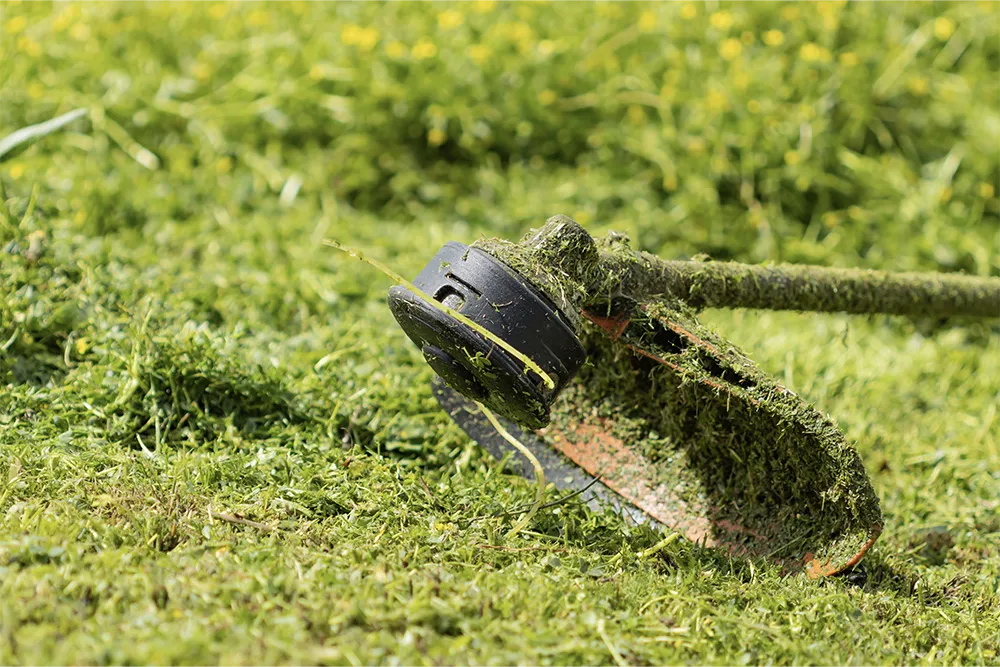
You should replace lawn mower blades when damage or wear prevents a clean cut. A clean cut matters because sharp, intact edges slice grass instead of tearing it, which reduces stress on your lawn. Time also matters. Most homeowners replace blades every 1–3 years, or after 25–50 hours of mowing, depending on grass type and debris. Frequent sharpening shortens that window.
Replace the blade right away if you see:
- Cracks or deep chips. Cracks can spread under load because the blade spins at high speed. For you, this means a safety risk and uneven cutting.
- A bent blade. Impacts with rocks or roots bend steel. A bent blade throws off balance, which strains the mower deck bearings.
- Excess thinning from sharpening. Each sharpening removes metal. When the edge looks narrow, the blade can break during use.
Blade Maintenance, Sharpening, and Replacement
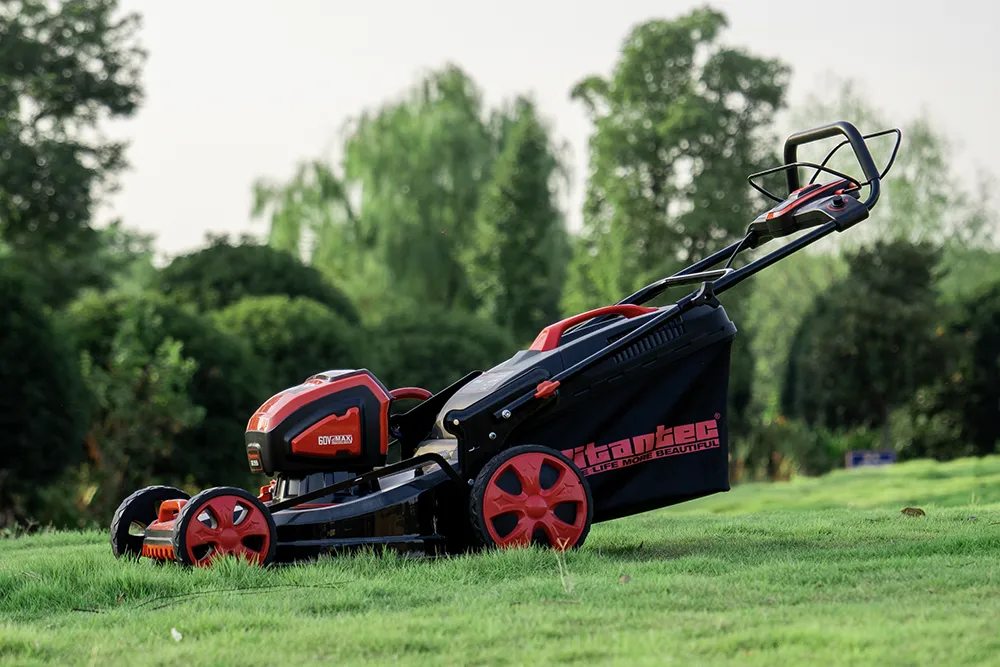
Blade maintenance keeps your mower cutting cleanly and protects engine power. Regular sharpening, proper balance, and timely replacement reduce stress on the mower and prevent torn grass. These steps also help you get consistent results from the best lawn mower blades for your yard.
Sharpening Lawn Mower Blades
Sharpening means restoring the cutting edge so it slices grass instead of tearing it. A sharp edge creates clean cuts because it meets less resistance as it passes through each blade of grass. Most homeowners should sharpen a lawn mower blade every 20–25 hours of mowing or at least once per season.
Replacing Worn or Unbalanced Blades
Replacing mower blades becomes necessary when sharpening no longer restores proper cutting. Deep nicks, cracks, bent metal, or heavy thinning along the edge all signal replacement. Most blades need replacement every 1–2 years, even with good blade maintenance.
Safety Tips for Changing Mower Blades
Always turn off the mower and disconnect the power source before starting. Wear heavy-duty gloves to protect your hands, and stabilize the mower to prevent movement. Use the correct tools, block the blade from spinning, and install the new blade in the correct orientation. Tighten all hardware securely according to manufacturer guidelines before restarting the mower.
FAQs
Can I use universal blades on my lawn mower, or do I need brand-specific models?
No, you can’t just pick any universal blade. It must match your mower’s required specs.
Universal blades are replacement blades designed to fit multiple mower brands using shared bolt patterns and adapters. You can use them only if the blade length, center hole shape, and mounting hardware match your mower’s specifications.
Brand‑specific blades match the factory length, hole pattern, and lift profile set by the mower maker. In practice, this means they maintain proper deck airflow and blade balance, which helps the mower cut evenly and protects the spindle from vibration.
How do I determine the correct size and shape of the blade for my mower?
You determine this by checking the owner’s manual or measuring the old blade with a tape measure and caliper.
Common center hole shapes include round, star, and “D” patterns. For the user, this means a wrong hole shape can prevent the blade from seating flat, which leads to wobble and uneven cutting.
How often should I replace my lawn mower blades for optimal cutting?
You should replace lawn mower blades after about one mowing season or 20–25 hours of use, even with regular sharpening.
Sharpening removes metal each time, which slowly weakens the blade. In other words, once the blade can no longer hold an edge or stay balanced, replacement protects your mower and restores clean cuts.
Quer saber mais sobre os nossos produtos?
Ver todos os produtos agora