Cortacésped de giro cero frente a cortacésped autopropulsado: explicación de las diferencias clave
Saltar a la sección
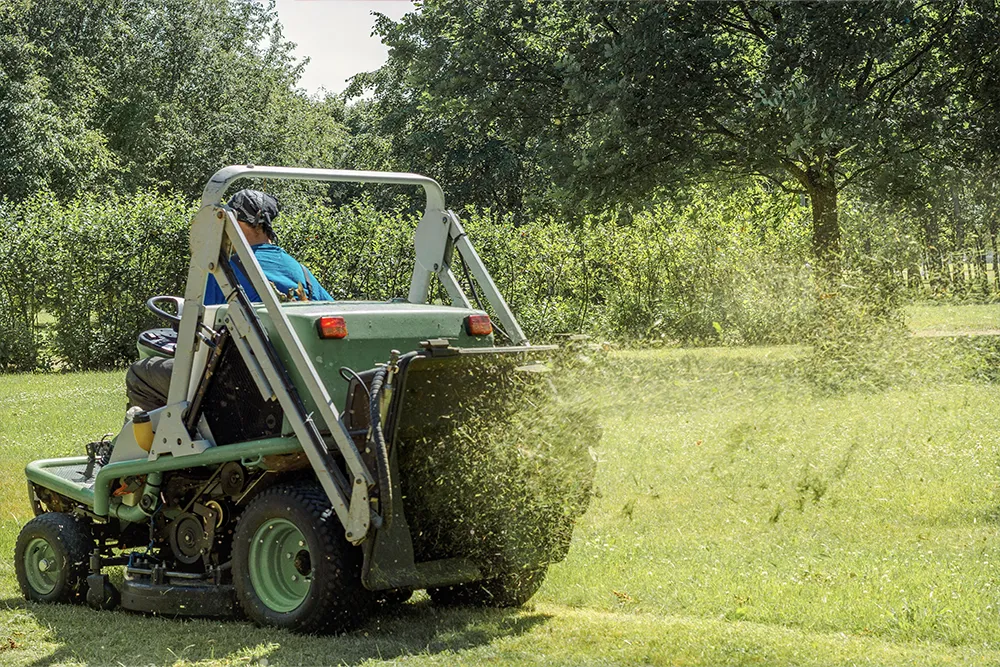
Un cortacésped de giro cero gira sobre sí mismo gracias a sus dos ruedas motrices, lo que le permite alcanzar un radio de giro nulo, mientras que un cortacésped autopropulsado (tractor cortacésped) se dirige mediante un volante y describe un arco más amplio. Esa decisión fundamental de diseño determina la velocidad a la que se corta el césped, lo cerrado que puede ser el giro y el espacio que se necesita para trabajar.
Esta guía explica en qué consiste un cortacésped de giro cero y en qué consiste un cortacésped autopropulsado, y a continuación compara el radio de giro, la velocidad, el tamaño de la plataforma de corte, el tamaño del jardín, el terreno, el almacenamiento y el coste. También descubrirás quién debería optar por cada tipo de cortacésped, basándonos en especificaciones reales y datos de campo recopilados por propietarios y profesionales.
¿Qué es un cortacésped de giro cero?
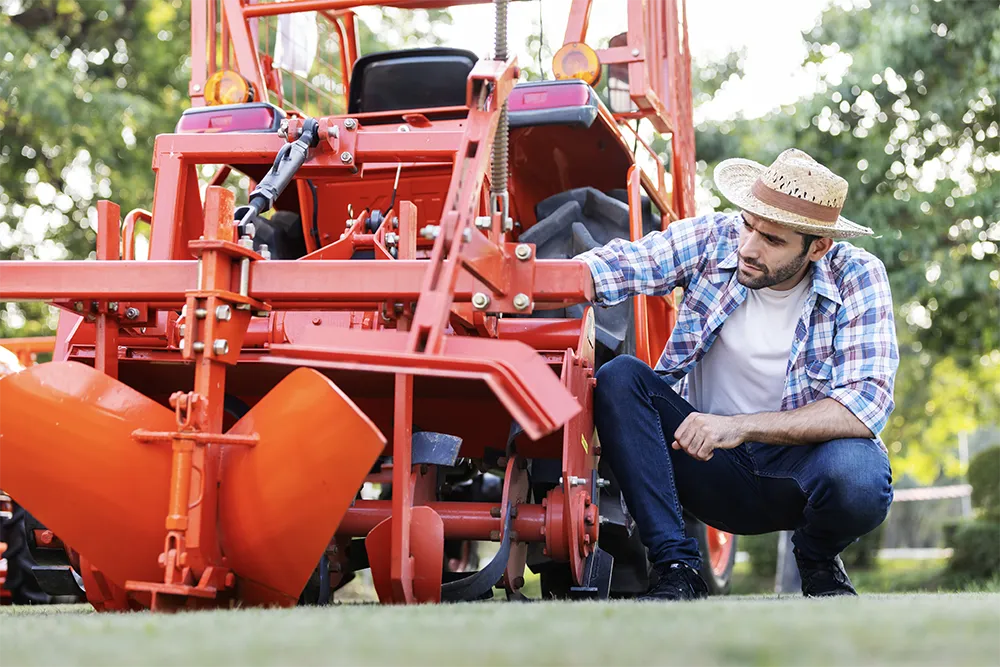
Un cortacésped de giro cero es un cortacésped autopropulsado capaz de girar sobre sí mismo al hacer girar las ruedas traseras en direcciones opuestas. Dado que cada rueda trasera tiene su propio sistema de control, es posible girar el cortacésped sin avanzar, lo que elimina el amplio radio de giro característico de los cortacéspedes tipo tractor. Los cortacéspedes de giro cero funcionan mejor cuando el jardín cuenta con espacios abiertos combinados con numerosos obstáculos y espacio suficiente para un equipo de mayor anchura.
Ventajas de los cortacéspedes de radio de giro cero:
- Radio de giro reducido (0 pulgadas), lo que reduce la cantidad de césped que queda sin cortar alrededor de los obstáculos
- Mayores velocidades de corte en comparación con muchos tractores de jardín
- Control de bordes nítidos, porque se puede recortar en una sola pasada
Desventajas de los cortacéspedes de giro cero:
- Mayor coste de compra, a menudo 30% o más que un tractor cortacésped similar
- Curva de aprendizaje, ya que la dirección con barra de seguridad se nota diferente al principio
- Mayores necesidades de almacenamiento, debido a que la plataforma y el bastidor son más anchos
¿Qué es un cortacésped autopropulsado?
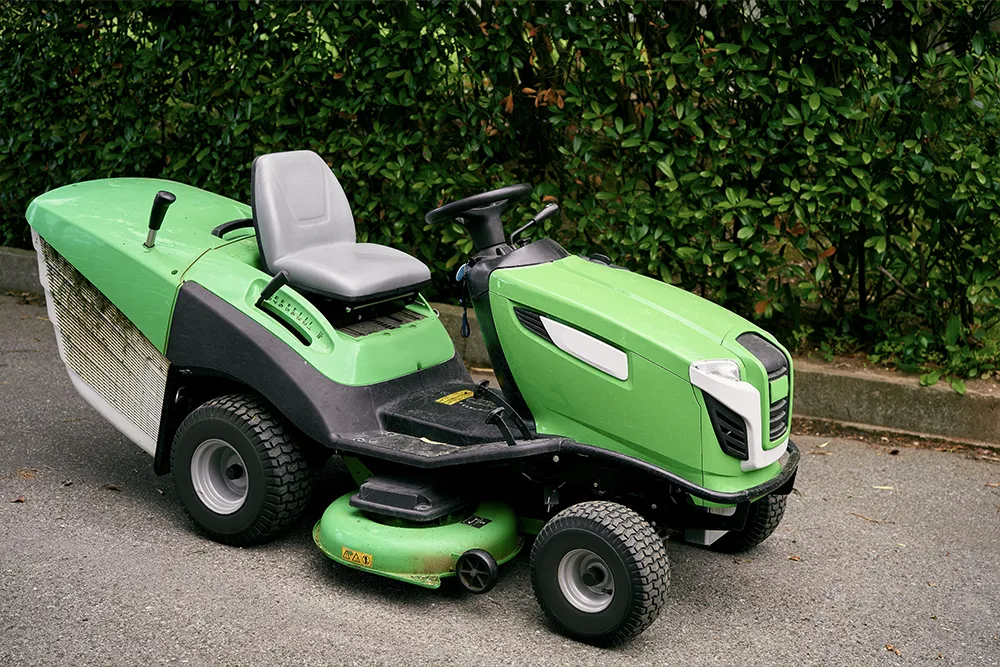
Un cortacésped autopropulsado es un cortacésped en el que el usuario va sentado y que utiliza un volante y las ruedas delanteras para controlar la dirección, de forma similar a un pequeño tractor. El usuario se sienta sobre el motor y la plataforma de corte, y las ruedas traseras proporcionan la tracción mientras que las delanteras giran. En la práctica, esta configuración da lugar a un radio de giro más amplio, lo que influye en la forma de cortar el césped alrededor de árboles y parterres.
Ventajas de los cortacéspedes autopropulsados:
- Menor coste de compra, a menudo 30–50% menos que un modelo de giro cero similar. Esto es importante si quieres un cortacésped más grande con un presupuesto limitado.
- Controles habituales con volante y pedales, lo que facilita el aprendizaje a muchos usuarios.
- Soporte para accesorios, lo que permite su uso durante todo el año.
Desventajas de los cortacéspedes autopropulsados:
- Radio de giro mayor, debido a la dirección en las ruedas delanteras, lo que aumenta el tiempo de compensación.
- Velocidad de corte más lenta en comparación con los modelos de giro cero, lo que alarga el tiempo total de siega en jardines grandes.
Cortacéspedes de giro cero frente a cortacéspedes con asiento: ¿cuáles son las diferencias?
De radio de giro cero y cortacésped autopropulsadoLas cortadoras de césped se utilizan de formas diferentes porque cuentan con distintos sistemas de dirección, diseños de plataforma y sistemas de transmisión. Estas opciones de diseño influyen en cómo se gira, a qué velocidad se corta el césped, qué tipo de terreno se puede trabajar y cuánto cuesta mantener una.
Maniobrabilidad y radio de giro
A cortacésped de giro cero (ZTR) utiliza barras de control para manejar cada rueda trasera de forma independiente. Como las ruedas pueden girar en direcciones opuestas, el cortacésped puede alcanzar un radio de giro de cero grados. En la práctica, esto significa que puedes girar sobre ti mismo y cortar el césped en caminos estrechos alrededor de árboles, parterres y vallas sin tener que dar marcha atrás.
Un cortacésped autopropulsado cuenta con un volante y dirección en las ruedas delanteras, como un pequeño tractor. Esta configuración da lugar a un radio de giro más amplio, ya que el cortacésped describe un arco al girar. Para ti, esto supone tener que dar más pasadas y recortar más alrededor de los obstáculos, sobre todo en jardines con muchas esquinas.
Velocidad y eficiencia de corte
Los cortacéspedes de giro cero cortan más rápido gracias a dos características clave: una mayor velocidad de desplazamiento y opciones de plataforma de corte más anchas. Muchos cortacéspedes de giro cero para uso doméstico cortan a una velocidad de entre 6 y 7 mph y utilizan plataformas de entre 48 y 54 pulgadas. Como hay que girar menos y se corta más césped en cada pasada, se termina antes.
Los cortacéspedes autopropulsados suelen alcanzar una velocidad máxima de entre 5 y 5,5 mph, con plataformas de corte de entre 42 y 46 pulgadas. Se desplazan más lentamente y hay que reorientarlos con mayor frecuencia. En tu caso, esto se traduce en un tiempo de corte más prolongado en jardines grandes, aunque la potencia del motor parezca similar sobre el papel.
Comportamiento en diferentes terrenos y estabilidad
Los cortacéspedes autopropulsados concentran más peso hacia el centro y la parte delantera de la máquina. Este equilibrio del peso ayuda a mantener la tracción en pendientes y terrenos irregulares. Para ti, esto se traduce en un control más estable a la hora de cortar el césped en colinas, hondonadas o terrenos accidentados.
Los cortacéspedes de giro cero concentran la mayor parte de su peso sobre las ruedas motrices traseras. Este diseño mejora la maniobrabilidad, pero puede reducir el agarre en pendientes. Muchos fabricantes indican que los cortacéspedes de giro cero solo son aptos para pendientes suaves. En la práctica, es necesario reducir la velocidad y evitar los giros bruscos en las cuestas para evitar que las ruedas patinen o se dañe el césped.
Curva de aprendizaje y facilidad de uso
Un cortacésped autopropulsado resulta familiar porque el volante, los pedales y los mandos funcionan como los de un vehículo pequeño. La mayoría de los usuarios se acostumbran en cuestión de minutos. Para ti, esto reduce el riesgo de cortes irregulares o de arañazos en el césped durante los primeros usos.
Un cortacésped de giro cero requiere un uso coordinado de las palancas de control. Cada mano controla una rueda, por lo que los movimientos más pequeños son importantes. Al principio, es habitual que se produzca un exceso de giro o que las líneas no sean uniformes. Con la práctica, el control se vuelve preciso. Para ti, la recompensa llega tras unas cuantas sesiones de corte, cuando los giros se vuelven limpios y repetibles.
Versatilidad y opciones de acoplamiento
Los cortacéspedes autopropulsados admiten una amplia gama de accesorios, ya que cuentan con un bastidor delantero y un enganche trasero. Entre las opciones más habituales se encuentran los recogedores, los carritos, las palas quitanieves y los esparcidores. Esto hace que un cortacésped autopropulsado te resulte útil durante todo el año, no solo en la temporada de siega.
Los cortacéspedes de giro cero se centran en el rendimiento de corte. Algunos modelos admiten recogedores o kits de trituración, pero las opciones de remolque y los aperos de montaje delantero siguen siendo limitadas. En otras palabras, un cortacésped de giro cero destaca en el corte de césped, pero no sustituye a un pequeño tractor de jardín para tareas de transporte o de limpieza de nieve.
Rango de precios y costes de mantenimiento
Los cortacéspedes autopropulsados son más económicos tanto en la compra como en el mantenimiento. Muchos modelos cuestan entre $1.200 y $2.800, dependiendo del tamaño de la plataforma y del motor. Sus sistemas de transmisión por correa y sus piezas comunes reducen los costes de reparación. Para ti, esto supone un ahorro a largo plazo si realizas un mantenimiento básico.
Los cortacéspedes de giro cero suelen tener un precio inicial de alrededor de $3.000 y su precio aumenta a medida que se incorporan plataformas más grandes y transmisiones hidrostáticas dobles. Estas transmisiones mejoran el control, pero su reparación resulta más costosa. El consumo de combustible también puede aumentar debido a las velocidades más altas. En la práctica, se paga más inicialmente para ahorrar tiempo en cada corte.
¿Cómo elegir el cortacésped adecuado entre un cortacésped de giro cero y un cortacésped autopropulsado?
Para elegir entre un cortacésped de giro cero y un cortacésped autopropulsado, debes adaptar el diseño de la máquina al tamaño, la distribución y las tareas de tu jardín. Un cortacésped de giro cero utiliza dos palancas de tracción en las ruedas traseras, mientras que un cortacésped autopropulsado utiliza un volante y las ruedas delanteras.
Factores que debes tener en cuenta a la hora de elegir un cortacésped:
- Empieza por el tamaño y la forma del césped
- Ten en cuenta la velocidad y el tiempo
- Ten en cuenta el terreno y los accesorios
- Ten en cuenta la curva de aprendizaje y el presupuesto
Empieza por el tamaño y la forma del césped. Los cortacéspedes de giro cero giran cada rueda trasera sobre su propio eje, lo que les permite un radio de giro de unas 0 pulgadas. En la práctica, esto te permite cortar el césped alrededor de árboles y parterres sin tener que dar marcha atrás. Los cortacéspedes autopropulsados necesitan giros más amplios, por lo que funcionan mejor en céspedes abiertos sin apenas obstáculos.
Ten en cuenta la velocidad y el tiempo. Los cortacéspedes de giro cero suelen alcanzar una velocidad de entre 7 y 10 mph, mientras que los cortacéspedes con asiento alcanzan una velocidad media de entre 4 y 5 mph. Para ti, esto significa que cortar un césped grande puede llevarte menos tiempo con un modelo de giro cero.
Ten en cuenta el terreno y los accesorios. Los cortacéspedes autopropulsados admiten accesorios como carritos, palas quitanieves y esparcidores gracias a su chasis tipo tractor. Este diseño te ofrece un mejor control en pendientes suaves y te permite utilizarlos durante todo el año.
Ten en cuenta la curva de aprendizaje y el presupuesto. Los mandos de giro cero requieren práctica, ya que cada palanca controla una rueda. Los cortacéspedes autopropulsados resultan familiares si conduces un coche y suelen tener un precio de entrada más asequible.
¿Quién debería optar por un cortacésped de giro cero?
Un cortacésped de giro cero es un cortacésped autopropulsado que utiliza dos mandos independientes para las ruedas traseras en lugar de un volante, lo que permite que cada rueda se mueva a una velocidad diferente. Este diseño permite un radio de giro real de cero grados, lo que significa que el cortacésped puede girar sobre sí mismo sin moverse del sitio.
Deberías elegir un cortacésped de giro cero si tienes que cuidar un césped grande con muchos obstáculos, como árboles, parterres o vallas. Como cada rueda trasera funciona de forma independiente, el cortacésped puede girar sin necesidad de trazar amplios arcos. En la práctica, esto significa que dedicarás menos tiempo a dar marcha atrás y a recortar las franjas que se te hayan escapado.
Los cortacéspedes de giro cero son ideales para ti si te importa el tiempo de corte. Muchos modelos se desplazan más rápido que los tractores cortacésped, a la vez que conservan plataformas de corte anchas. Para el usuario, esto se traduce en poder cortar grandes superficies en menos pasadas y en menos horas a la semana.
Este tipo de cortacésped también es adecuado para ti si tu jardín tiene un terreno mayoritariamente llano o con ligeras ondulaciones. La tracción trasera y la distancia entre ejes corta mejoran el control en los giros, pero reducen la estabilidad en pendientes pronunciadas. En otras palabras, funcionan mejor en terrenos donde la tracción se mantiene constante.
Quizá prefieras un cortacésped de giro cero si lo tuyo es cortar el césped tarea principal. Estas máquinas se centran en el rendimiento de corte y, por lo general, admiten menos accesorios que los tractores. Para ti, esto significa sacrificar las opciones de retirada de nieve o de remolque a cambio de un mejor control en espacios reducidos.
Los cortacéspedes de giro cero son una opción ideal si valoras:
- Giros cerrados alrededor de obstáculos
- Corte más rápido en céspedes abiertos y llanos
- Un corte limpio con menos bordes sin recortar
¿Quién debería optar por un cortacésped autopropulsado?
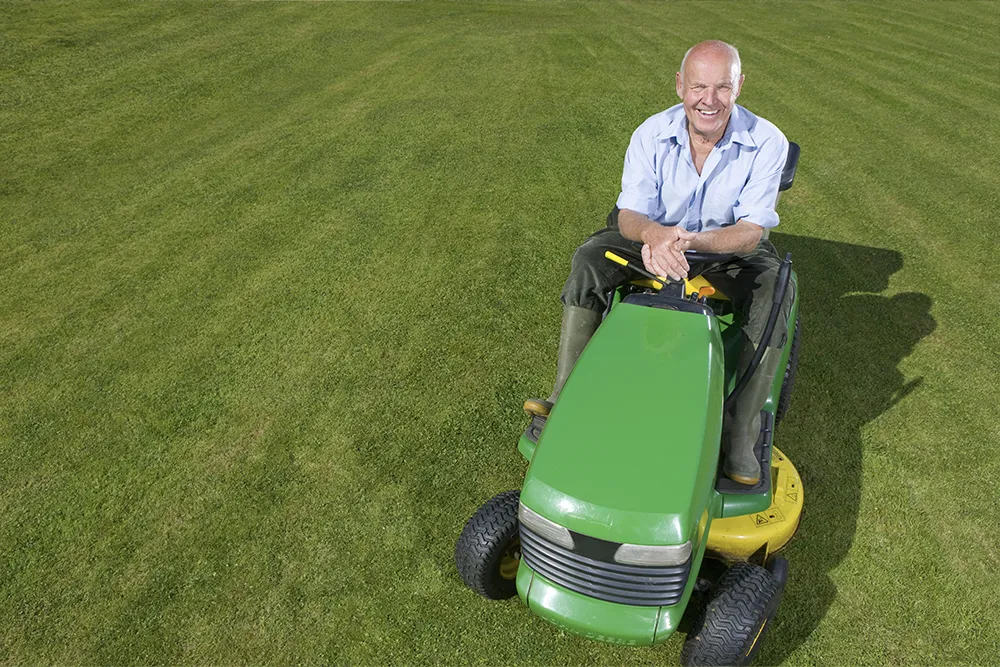
Un cortacésped autopropulsado, también conocido como tractor cortacésped, es un cortacésped en el que el usuario va sentado y que cuenta con un volante y un motor montado en la parte delantera. Deberías optar por este tipo si buscas un control estable y un uso versátil más allá del simple corte del césped.
Quizá prefieras un cortacésped autopropulsado si tu jardín es pequeño o mediano, normalmente de menos de un acre. Estos cortacéspedes suelen desplazarse a una velocidad de entre 4 y 5 millas por hora, lo que resulta adecuado para céspedes abiertos en los que los giros cerrados no son tan importantes. En la práctica, esto significa que se sacrifica la velocidad a cambio de una conducción más suave.
Un cortacésped autopropulsado es una buena opción para ti si tienes pensado utilizar accesorios. Muchos modelos admiten recogedores, carritos, palas quitanieves y esparcidores, ya que cuentan con un chasis resistente y un enganche trasero. Para ti, esto significa que una sola máquina puede encargarse de cortar el césped, transportar carga y realizar las tareas estacionales.
Quizás también te interese un cortacésped autopropulsado si tu propiedad tiene pendientes o terreno irregular. La mayor distancia entre ejes y la mayor anchura de la vía mejoran el equilibrio, ya que el peso se distribuye a lo largo del bastidor. Este diseño reduce el deslizamiento de las ruedas en pendientes suaves.
Los nuevos usuarios suelen optar por los cortacéspedes autopropulsados por sus mandos, similares a los de un coche. El volante y los pedales siguen una disposición familiar, por lo que se tarda menos en aprender a manejarlos. Para ti, esto reduce el riesgo de giros bruscos que puedan dañar el césped.
Serías un candidato ideal si deseas:
- Conducción familiar y manejo estable
- Compatibilidad con archivos adjuntos para tareas que se realizan durante todo el año
- Mejor control en pendientes suaves
- Un precio de salida más bajo que el de la mayoría de los modelos de giro cero
Preguntas frecuentes
¿Los tractores con giro de radio cero pueden circular por pendientes?
Sí, los cortacéspedes de giro cero pueden trabajar en pendientes, pero solo hasta cierto punto.
La mayoría de los cortacéspedes de giro cero para uso doméstico funcionan mejor en céspedes llanos o con una pendiente suave. Pueden manejar pendientes leves si se corta el césped subiendo y bajando la pendiente, se avanza lentamente y se evitan los giros bruscos. Sin embargo, dado que los cortacéspedes de giro cero dependen de la tracción de las ruedas traseras y tienen un centro de gravedad más alto, pierden estabilidad más fácilmente en pendientes pronunciadas.
En pendientes más pronunciadas o irregulares, los cortacéspedes autopropulsados (tractores) suelen ser más seguros y estables. Comprueba siempre la pendiente máxima recomendada por el fabricante antes de utilizar un cortacésped de giro cero en pendientes.
¿En qué se diferencian las anchuras de la plataforma de corte de los cortacéspedes de giro cero y los tractores cortacésped?
Los cortacéspedes de giro cero suelen utilizar plataformas de entre 42 y 60 pulgadas, y algunos modelos llegan a alcanzar las 72 pulgadas.
Los tractores cortacésped suelen tener plataformas más estrechas, a menudo de entre 38 y 54 pulgadas. Debido a que la plataforma es más pequeña y el radio de giro más amplio, es posible que necesites dar más pasadas para cortar el mismo césped.
En la práctica, una plataforma de giro cero más ancha te permite cubrir una mayor superficie en cada pasada, lo que reduce el tiempo total de corte en fincas de gran tamaño.
¿En qué se diferencian el coste inicial y el valor global de los cortacéspedes de giro cero y los tractores cortacésped?
Los cortacéspedes de giro cero suelen tener un coste inicial superior al de los tractores cortacésped con un motor de cilindrada y un ancho de plataforma similares. Este precio más elevado se debe a los sistemas de transmisión hidrostática doble y a los chasis más pesados que se utilizan para garantizar un control preciso.
Los tractores cortacésped son más económicos y admiten más accesorios, como remolques y palas quitanieves. Esto supone una ventaja si tienes pensado utilizar una sola máquina para varias tareas de jardinería.
Los cortacéspedes de giro cero pueden ofrecer una mejor rentabilidad a largo plazo en céspedes extensos, ya que sus mayores velocidades de corte —que suelen alcanzar unas 10 mph— reducen el tiempo y el consumo de combustible en comparación con los tractores, cuya velocidad media oscila entre 4 y 5 mph.
¿Quiere saber más sobre nuestros productos?
Ver todos los productos