Motores sin escobillas para herramientas de exterior: ventajas, desventajas y aspectos clave
Saltar a la sección
Las herramientas eléctricas para exteriores han cambiado mucho en los últimos años. El paso de los motores con escobillas a los motores sin escobillas constituye el eje central de esta transformación.
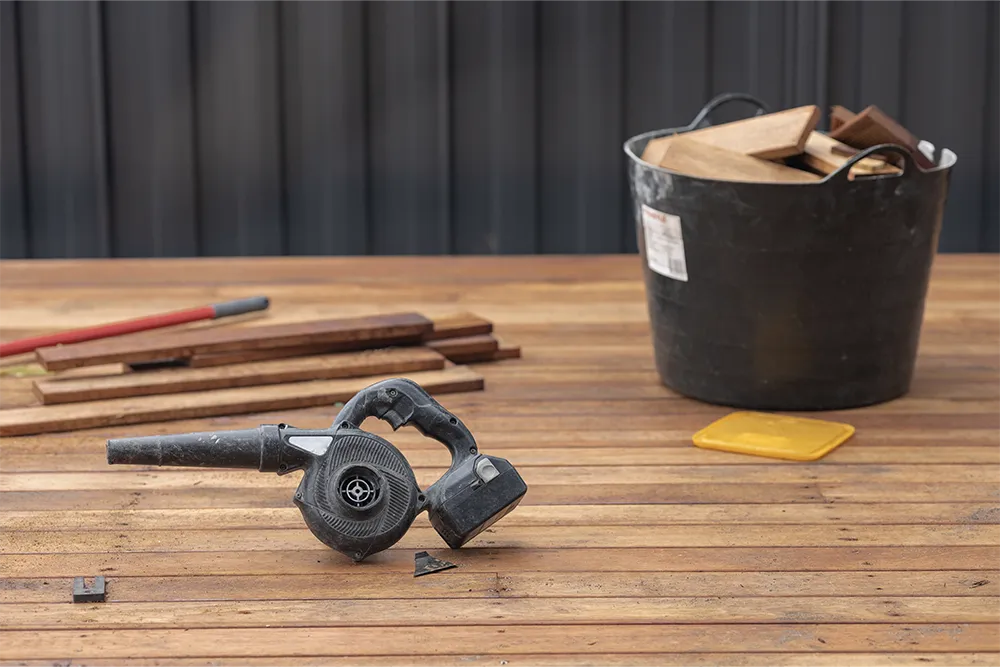
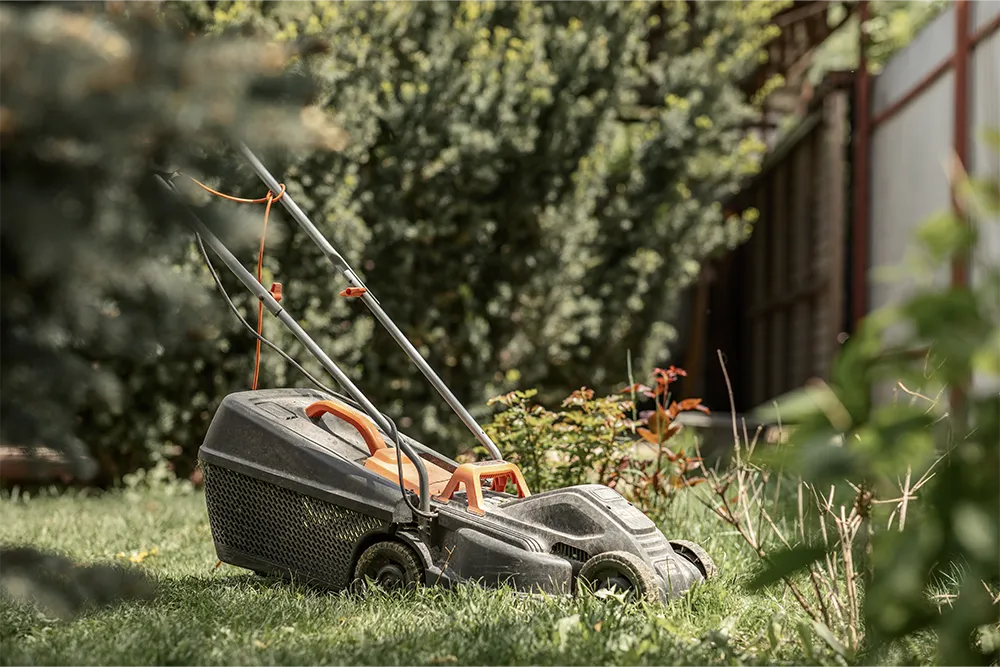
El tipo de motor que lleva una cortacésped, un soplador de hojas o una motosierra influye en su autonomía y en el mantenimiento que requiere. También determina si es capaz de soportar condiciones adversas en el exterior.
Estas herramientas funcionan tanto con motores con escobillas como sin escobillas. Su funcionamiento es muy diferente.
Los motores sin escobillas ofrecen una mayor eficiencia, una mayor autonomía de la batería y menos mantenimiento que los motores con escobillas. Sin embargo, su coste inicial es mayor y requieren controles electrónicos complejos.
Estas ventajas son especialmente importantes para quienes utilizan con frecuencia herramientas para exteriores o necesitan un rendimiento fiable en situaciones difíciles. Los motores con escobillas siguen siendo una opción práctica para un uso menos intensivo, ya que son más económicos y se desenvuelven perfectamente en tareas básicas.
Tecnologías clave de los motores en las herramientas eléctricas para exteriores
Las herramientas eléctricas para exteriores utilizan dos tipos principales de motores eléctricos. Se diferencian en la forma en que transforman la energía eléctrica en movimiento mecánico.
Los motores sin escobillas utilizan controles electrónicos e imanes permanentes. Los motores con escobillas dependen de las escobillas de carbón y de un conmutador para establecer el contacto físico.
Principios de diseño de motores sin escobillas
Los motores sin escobillas, o motores BLDC, generan rotación mediante conmutación electrónica en lugar de un contacto mecánico. El rotor cuenta con imanes permanentes que giran dentro de un estator enrollado con bobinas de cobre.
En controlador electrónico dirige la corriente hacia bobinas específicas del estator de forma secuencial. Esto genera campos magnéticos que atraen y empujan los imanes del rotor.
Este diseño elimina las piezas que provocan fricción. El controlador supervisa la posición del rotor y ajusta el suministro de potencia en función de la carga.
El estator permanece fijo a la carcasa de la herramienta. Esto favorece una mejor disipación del calor, ya que la carcasa exterior puede actuar como disipador térmico.
La ausencia de escobillas se traduce en menos piezas sujetas a desgaste. Además, los controles electrónicos contribuyen a que el motor funcione de forma más eficiente, ya que ajustan la potencia en función de las distintas tareas.
Conceptos básicos sobre los motores con escobillas
Los motores con escobillas utilizan escobillas de carbón que se presionan contra un conmutador giratorio para suministrar electricidad a los devanados del rotor. El rotor cuenta con electroimanes que giran dentro de un estator provisto de imanes permanentes.
A medida que gira el rotor, los segmentos del conmutador establecen y interrumpen el contacto con las escobillas. Esto invierte el sentido de la corriente para mantener el giro.
Este sistema mecánico genera fricción entre las escobillas y el conmutador. Las escobillas se desgastan con el tiempo y hay que sustituirlas.
En los puntos de contacto saltan chispas, lo que genera calor y ruido eléctrico. Su diseño es más sencillo y su fabricación más económica que la de los motores sin escobillas.
Los motores con escobillas no necesitan controladores electrónicos, lo que permite reducir los costes iniciales.
Componentes: rotor, estator e imanes
En rotor es el eje giratorio situado en el centro del motor. En los diseños sin escobillas, aquí se colocan imanes permanentes. Los motores con escobillas utilizan bobinados electromagnéticos y el conmutador en el rotor.
En estator es la parte exterior fija del motor. Los motores sin escobillas utilizan bobinas de alambre de cobre en el estator. Los motores con escobillas suelen tener imanes permanentes en esta zona.
Imanes permanentes generan campos magnéticos constantes sin necesidad de electricidad. Los motores sin escobillas los generan en el rotor, mientras que los motores con escobillas suelen generarlos en el estator.
Electroimanes solo generan campos magnéticos cuando la corriente circula por sus bobinas. Se encuentran en el rotor de los motores con escobillas o en el estator de motores sin escobillas.
Ventajas en cuanto al rendimiento de las herramientas para exteriores sin escobillas
Los motores sin escobillas aportan mejoras reales en cuanto a eficiencia, nivel de ruido, potencia y durabilidad. Son ideales para equipos motorizados de uso exterior.
Estas ventajas se traducen en sesiones de trabajo más largas, menos mantenimiento y mejores resultados en condiciones difíciles.
Mayor eficiencia y autonomía de la batería
Los motores de corriente continua sin escobillas (BLDC) convierten más energía eléctrica en energía mecánica que los de escobillas. Al no haber escobillas que rocen el conmutador, se desperdicia menos energía en forma de calor.
Las herramientas a batería con motores sin escobillas suelen funcionar entre un 30 y un 50 por ciento más por carga. Esto significa menos paradas para recargar durante el cuidado del césped o el mantenimiento de jardines.
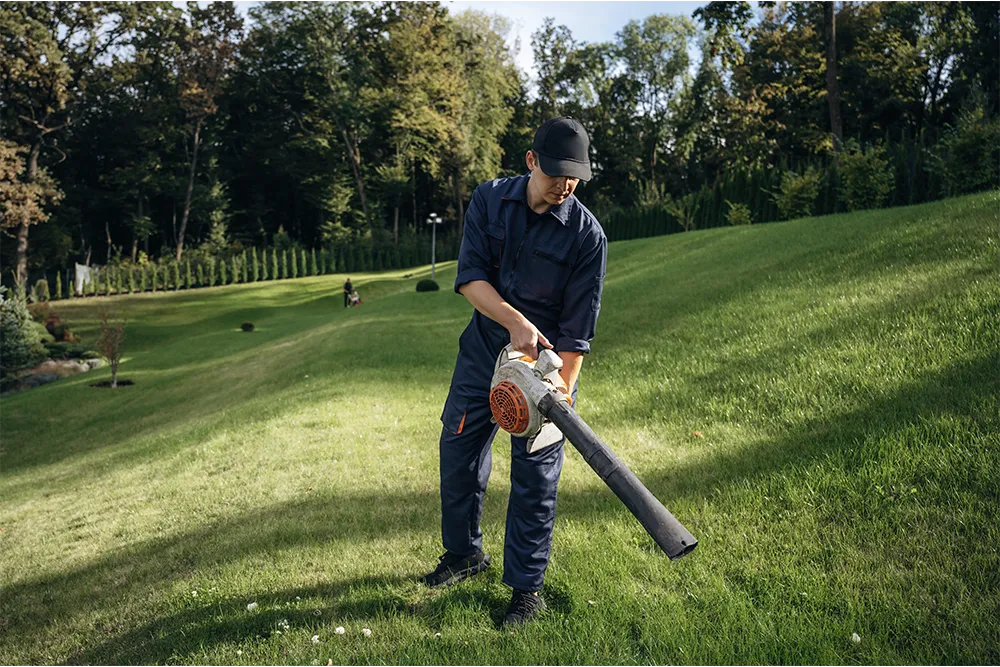
A desbrozadora sin escobillas o un soplador de hojas puede ocuparse de jardines más grandes con una sola batería. La mayor eficiencia también permite que las herramientas inalámbricas consuman menos corriente sin perder potencia.
Esto hace que las baterías aguanten más ciclos de carga antes de que haya que sustituirlas.
Funcionamiento más silencioso y menor mantenimiento
El hecho de que no haya escobillas rozando el conmutador supone una reducción considerable de la fricción y las vibraciones. Las herramientas sin escobillas funcionan de forma notablemente más silenciosa que las que sí las tienen.
Eso supone una gran ventaja para el equipamiento de actividades al aire libre que se utiliza en los barrios. Los motores sin escobillas no necesitan ningún tipo de mantenimiento durante toda su vida útil.
No hay escobillas que revisar ni cambiar. No hace falta abrir el motor ni lidiar con piezas desgastadas que provoquen un funcionamiento irregular.
Esto ahorra tiempo y evita la molestia de tener que buscar piezas de recambio. En el caso de las herramientas de exterior que se ensucian o se llenan de polvo, el construcción estanca Los motores sin escobillas evitan la entrada de residuos.
Mayor potencia de salida y control de velocidad mejorado
Los motores sin escobillas alcanzan su velocidad máxima más rápidamente y mantienen una potencia constante bajo carga. El inversor electrónico, en lugar de un conmutador mecánico, permite control preciso de la velocidad a cualquier régimen de revoluciones.
Esto permite que las herramientas para exteriores ajusten la potencia en función de lo que estés haciendo. Un taladro sin escobillas puede proporcionar un par elevado a baja velocidad para tornillos grandes y, a continuación, pasar a altas velocidades para taladrar.
Lo mismo ocurre con las lijadoras y los martillos rotativos. Muchas herramientas inalámbricas sin escobillas alcanzan ya la misma potencia que las que funcionan con cable.
En diseño eficiente del motor permite a las marcas utilizar motores más potentes en carcasas más pequeñas y ligeras.
Longevidad y resistencia en condiciones adversas
Los motores sin escobillas duran mucho más porque no tienen piezas que se desgasten. Al no tener escobillas que se deterioren, estos motores pueden funcionar durante miles de horas con una mínima pérdida de rendimiento.
Menos calor se traduce en una mayor vida útil de todas las piezas de la herramienta. Las placas de circuitos, las baterías y los materiales de la carcasa no se ven sometidos a tanto desgaste.
Los entornos al aire libre son muy exigentes: la lluvia, el polvo, el calor, el frío y las vibraciones constantes desgastan las herramientas. Los motores sin escobillas resisten mejor estas condiciones gracias a su diseño sellado y a que carecen de escobillas que generen chispas.
La ausencia de chispas también supone un menor riesgo de incendio al trabajar cerca de hierba seca o materiales inflamables.
Limitaciones e inconvenientes de los motores sin escobillas en aplicaciones al aire libre
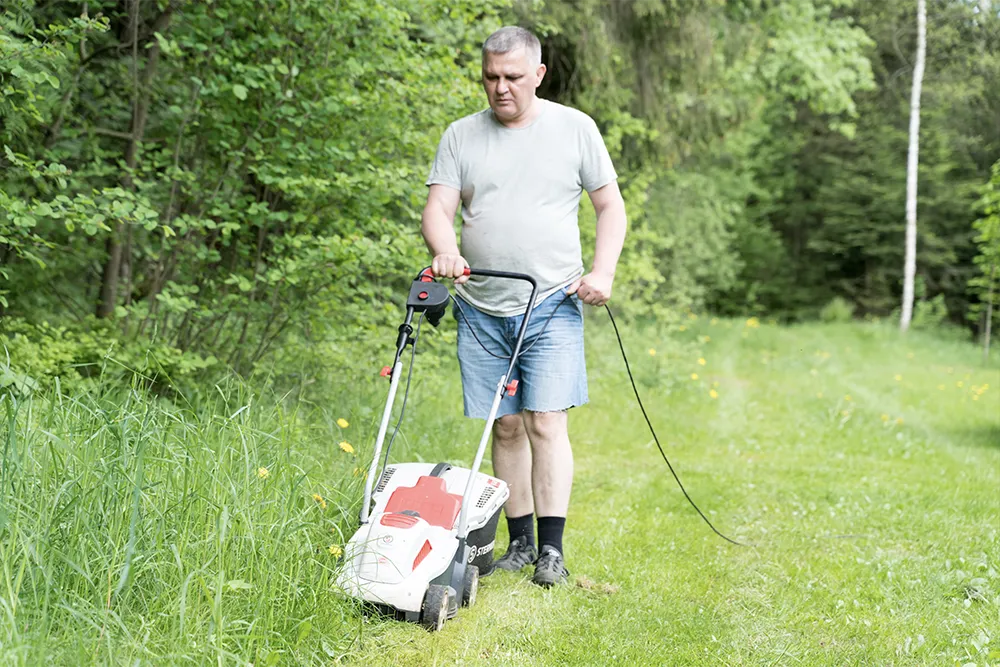
Los motores sin escobillas tienen un coste inicial mayor que modelo cepillados. Sus componentes electrónicos hacen que las reparaciones sean más complicadas y costosas.
Los sistemas de control integrados suponen más elementos que pueden fallar, sobre todo en el exterior.
Mayor coste inicial
Las herramientas de jardín sin escobillas suelen costar entre 50% y 100% más que las que tienen escobillas. Una desbrozadora sin escobillas puede costar $250, mientras que la versión con escobillas se vende por entre $120 y $150.
El precio más elevado se debe al coste de los componentes internos. Cada motor de corriente continua sin escobillas necesita un controlador electrónico de velocidad (ESC), un microprocesador y sensores.
Estas piezas encarecen los costes de fabricación. Para quienes cortan el césped una vez a la semana o podan los setos un par de veces por temporada, ese coste adicional resulta difícil de justificar.
Las prestaciones no son tan importantes para trabajos ligeros, como recortar el borde de un jardín pequeño. Los compradores que buscan una opción económica suelen considerar que las herramientas cepilladas son suficientes para trabajos ocasionales.
Electrónica compleja y reparaciones
Cuando se estropea un motor sin escobillas, para repararlo se necesitan herramientas especializadas y conocimientos técnicos. El controlador electrónico de velocidad (ESC) y los sensores no son fáciles de cambiar en casa.
Si el ESC se estropea, normalmente hay que acudir a un centro de servicio técnico o simplemente comprar una herramienta nueva. El uso al aire libre aumenta la probabilidad de que los componentes electrónicos fallen.
La lluvia o el rocío pueden estropear las placas de circuitos si se cuela agua. El polvo y los residuos pueden obstruir las rejillas de ventilación, provocando que el ESC se sobrecaliente.
Los costes de reparación pueden ser elevados. Un ESC de recambio para un cortacésped sin escobillas podría costarte entre $80 y $150, más la mano de obra.
En comparación, cambiar las escobillas de carbón en un motor con escobillas cuesta entre $10 y $20 y lleva 15 minutos.
Desventajas de los motores sin escobillas
Sensibilidad a la temperatura es un problema. A los motores de corriente continua sin escobillas no les gusta fenómenos meteorológicos extremos.
Los controladores pueden cortar la alimentación si la temperatura desciende por debajo de los 20 °F o supera los 120 °F. Eso se traduce en menos par motor justo cuando más lo necesitas, como al quitar la nieve o al trabajar bajo el calor del verano.
Compatibilidad de la batería puede ser un quebradero de cabeza. Muchas herramientas sin escobillas necesitan baterías especiales de litio de alta descarga con chips inteligentes.
Es posible que las baterías viejas de herramientas con escobillas, incluso si son de la misma marca, no funcionen. Por eso, al final acabas comprando baterías nuevas para los modelos $50 a $150, una por cada uno.
Demasiado para tareas sencillas es algo real. A cortasetos sin escobillas pueden funcionar durante horas, pero la mayoría de la gente solo poda los setos durante 20 o 30 minutos.
En funciones avanzadas supone un gasto adicional sin un beneficio real para las tareas básicas de jardinería.
Motores con escobillas: aplicaciones prácticas y aspectos a tener en cuenta
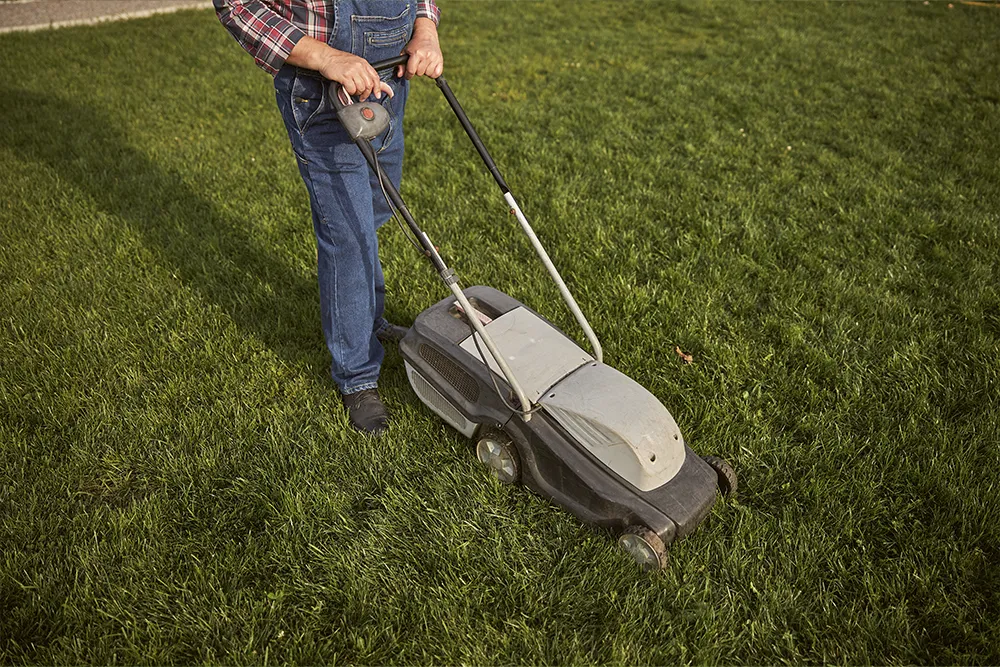
Los motores con escobillas siguen siendo importantes en las herramientas eléctricas para exteriores porque su precio inicial es más bajo y tienen un diseño sencillo. Requieren un mantenimiento periódico, pero a veces eso es una compensación razonable.
Saber cuándo conviene optar por motores con escobillas te ayuda a evitar pagar por funciones que no vas a utilizar.
Asequibilidad y sencillez
Un motor con escobillas cuesta entre 30% y 50% menos que uno sin escobillas. Utiliza menos componentes electrónicos y funciona con escobillas de carbón y un conmutador.
Esto facilita la fabricación y mantiene los precios bajos. Los propietarios que utilizan sopladores de hojas, desbrozadoras, o cortasetos Aprovecha al máximo esta rebaja, que solo se ofrece unas pocas veces al año.
Un taladro con motor con escobillas puede costar entre $50 y $150. Los modelos sin escobillas parten de $150 y pueden superar los $400.
Su diseño sencillo se traduce en menos averías electrónicas. Los motores de corriente continua con escobillas no necesitan microprocesadores ni sensores, por lo que hay menos posibilidades de que se produzcan fallos.
Para las tareas de jardinería ocasionales, las funciones avanzadas no aportan gran cosa.
Problemas de mantenimiento y desgaste
Las escobillas de carbón rozan contra el conmutador, lo que provoca fricción, calor y desgaste. La mayoría de los motores con escobillas necesitan escobillas nuevas cada 500 a 2.000 horas, dependiendo de la intensidad con la que se utilicen.
Cambiar las escobillas es fácil y barato. La mayoría de la gente puede hacerlo por sí misma con herramientas básicas, y los juegos de recambio cuestan entre $5 y $15.
Los talleres de automóviles y las pequeñas empresas de jardinería suelen seguir utilizando herramientas con escobillas porque repararlas cuesta mucho menos que comprar otras nuevas. Sin embargo, a medida que las escobillas se desgastan, los motores con escobillas pierden eficiencia.
El rendimiento disminuye: se pierde potencia, aumenta el ruido y se genera más calor. Un taladro con escobillas podría empezar con un par de 380 pulgadas-libras y bajar a 120 pulgadas-libras tras un uso intensivo.
En los trabajos de jardinería más exigentes, esa falta de uniformidad resulta molesta y te hace perder tiempo.
Cuándo optar por un motor con escobillas en lugar de uno sin escobillas
Las herramientas con acabado cepillado son una buena opción para los trabajos ligeros de jardinería, sobre todo si solo las utilizas unas cuantas veces al mes. Piensa, por ejemplo, en podar setos en una propiedad pequeña o hojas que se llevan el viento fuera del camino de entrada: para estos trabajos no se necesita realmente la potencia ni la eficiencia adicionales que ofrecen los motores sin escobillas.
Si tienes que ajustarte a un presupuesto y quieres ahorrar dinero ahora mismo en lugar de a largo plazo, las opciones con motor cepillado podrían ser la mejor opción. Cuando utilizas tus herramientas menos de 50 horas al año, la diferencia entre los dos tipos de motor es bastante insignificante.
Muchos jardineros tienen una desbrozadora con motor de escobillas como repuesto en la furgoneta. Si se estropea, las reparaciones son baratas y sencillas. En el caso de herramientas que suelen estar inactivas la mayor parte del tiempo, pagar más por la eficiencia de un motor sin escobillas simplemente no sale a cuenta.
Cómo elegir el motor adecuado para tus necesidades en materia de herramientas eléctricas para exteriores
La elección entre motores con escobillas y sin escobillas influye en el rendimiento de tus herramientas, en la frecuencia con la que debes realizar su mantenimiento y en el gasto que supondrá a lo largo de los años. Desde que aparecieron los sistemas sin escobillas, allá por 2009, dispones de más opciones que nunca en cuanto a equipamiento para actividades al aire libre.
Diferencias clave entre los motores con escobillas y los motores sin escobillas
Los motores con escobillas son bastante sencillos: constan de un estator con imanes, un inducido giratorio, un anillo conmutador y unas escobillas de carbón que distribuyen la energía. Esas escobillas rozan contra el conmutador, lo que genera fricción, calor y, con el tiempo, desgaste.
Los motores sin escobillas prescinden por completo de las escobillas y los conmutadores. En su lugar, utilizan un regulador electrónico de velocidad e imanes para transmitir la potencia entre el estator y el rotor. Aquí no hay fricción.
En el uso diario, las diferencias se notan enseguida. Los motores sin escobillas se calientan menos porque el bobinado se encuentra en la carcasa de la herramienta, y no en su interior. Además, ajustan la potencia automáticamente, proporcionándote más potencia cuando la necesitas y reduciéndola cuando no la necesitas.
Comparación de rendimiento:
| Característica | Motor con escobillas | Motor sin escobillas |
| Mantenimiento | Cambia los cepillos cada 2-7 años | No es necesario cambiar el cepillo |
| Duración de la batería | Tiempo de ejecución estándar | Hasta un 50% más de autonomía |
| Peso | Más pesado | Encendedor 10-30% |
| Coste | Menor inversión inicial | 30% es más caro |
| Generación de calor | Más alto | Inferior |
Cómo elegir el tipo de motor adecuado para tareas específicas al aire libre
Los motores con escobillas funcionan perfectamente para un uso ocasional trabajos en el jardín y tareas ligeras. Si cortas el césped una vez a la semana o podas setos Unas cuantas veces por temporada; el precio más bajo tiene sentido cuando no necesitas la herramienta todo el tiempo.
Los motores sin escobillas son una auténtica ventaja para los profesionales y los usuarios habituales. Los jardineros que utilizan sus herramientas a diario disfrutan de una mayor autonomía de la batería y dedican menos tiempo al mantenimiento. Un motor sin escobillas cortacésped puede funcionar durante horas, pero uno con escobillas quizá necesite cambiar la batería un par de veces.
Si vas a cortar ramas gruesas o limpieza matorral denso, lo que buscas es la potencia y la eficiencia que ofrecen los sistemas sin escobillas. Cuando la hoja choca con algo duro, el sistema electrónico aumenta el par automáticamente y luego lo reduce cuando el trabajo se vuelve más fácil. Esto ahorra batería y protege el motor.
Para espacios reducidos o trabajos largos, las herramientas sin escobillas vuelven a llevar la palma. Son más ligeras, por lo que los brazos no se cansan tan rápido, y el menor nivel de vibración es una auténtica ventaja cuando hay que alcanzar puntos por encima de la cabeza o trabajar en ángulos difíciles.
Tendencias del sector y futuro de los motores para herramientas eléctricas
Los motores sin escobillas son hoy en día la opción preferida para los nuevos equipos de exterior. La mayoría de las grandes marcas apuestan por los modelos sin escobillas en sus gamas de gama alta, mientras que los motores con escobillas se mantienen principalmente en el segmento económico.
La compatibilidad de las baterías es un tema muy importante hoy en día. Muchas marcas te permiten utilizar la misma batería en todas sus herramientas sin escobillas, por lo que tu soplador de hojas, tu cortasetos y tu motosierra podrían funcionar todos con una misma batería.
Los precios de las herramientas sin escobillas también han bajado. Lo que antes costaba 30% más, ahora solo cuesta entre 15 y 20% más, lo que hace que la tecnología sin escobillas sea más accesible.
Algunos motores sin escobillas incluso se conectan ahora a aplicaciones para el móvil. Puedes controlar el tiempo de funcionamiento, configurar recordatorios de mantenimiento y consultar las estadísticas de rendimiento. Estas funciones digitales te ayudan a sacar el máximo partido a tus herramientas y a detectar problemas antes de que se agraven.
Preguntas frecuentes
¿En qué se diferencian los motores sin escobillas de los motores con escobillas en las herramientas eléctricas para exteriores?
Los motores sin escobillas evitan el contacto físico al utilizar circuitos electrónicos e imanes en lugar de escobillas de carbón y conmutadores. Eso reduce considerablemente la fricción.
Una menor fricción se traduce en motores menos calientes, un funcionamiento más silencioso y menos vibraciones. Además, los motores sin escobillas pueden funcionar hasta 50% más tiempo con la misma carga de batería.
Su controles electrónicos Ajusta la potencia automáticamente. Si estás cortando ramas gruesas, el motor te proporciona más potencia; si solo estás recortando el césped, consume menos.
Los motores con escobillas, por su parte, mantienen una velocidad constante en cualquier circunstancia. Son más baratos, pero desperdician energía cuando la tarea es sencilla.
¿Cuáles son las principales desventajas de los motores sin escobillas en las herramientas para exteriores?
El mayor coste es el factor más importante. Las herramientas para exteriores sin escobillas suelen costar unos 30% más que las que tienen escobillas.
Además, en el interior de un motor sin escobillas también hay más cosas que pueden fallar. Los componentes electrónicos pueden fallar, sobre todo si se mojan, se sobrecalientan o se llenan de polvo, algo bastante habitual en el exterior.
Si algo se estropea, las reparaciones son más complicadas y costosas. Los motores con escobillas solo necesitan escobillas nuevas de vez en cuando. En el caso de los motores sin escobillas, es posible que tengas que sustituir toda la placa electrónica o recurrir a un profesional para que lo repare.
Y, sinceramente, no todo el mundo necesita esas funciones sofisticadas. Si tienes un jardín pequeño o utilizas tus herramientas de vez en cuando, puede que ni siquiera notes esa mayor eficiencia.
¿Merece la pena el mayor coste inicial de las herramientas de exterior sin escobillas?
Depende mucho de cuánto utilices tus herramientas y qué esperes de ellas. Los profesionales y quienes tienen jardines grandes suelen sacar el máximo partido a los motores sin escobillas.
Una mayor autonomía es lo más importante si utilizas herramientas para trabajos de gran envergadura. Una desbrozadora o un soplador sin escobillas te permitirán trabajar más tiempo entre cada recarga, por lo que dedicarás menos tiempo a cambiar las baterías. Además, son más eficientes, por lo que necesitarás menos baterías para afrontar una jornada larga.
Los motores sin escobillas también duran mucho más, ya que no tienen escobillas que se desgasten. En el caso de las herramientas con escobillas, es posible que tengas que sustituirlas cada dos años, dependiendo del uso que les des.
Si solo cortas el césped de un jardín pequeño una vez a la semana o realizas trabajos ligeros de recorte, una herramienta con cepillo podría ser suficiente. Probablemente no notarás suficientes ventajas como para que el precio más elevado merezca la pena.
¿Qué fallos o problemas habituales pueden producirse en los motores sin escobillas y en sus componentes electrónicos?
Las placas de control electrónico a veces fallan debido al calor, al agua o a las subidas de tensión. Cuando eso ocurre, el motor puede detenerse por completo o funcionar de forma anómala.
El agua es un problema habitual en las herramientas para exteriores. La lluvia, la hierba mojada o incluso la limpieza pueden hacer que entre humedad. Aunque muchas herramientas sin escobillas tienen diseños resistentes a la intemperie, esas juntas acaban desgastándose con el tiempo.
Los fallos en los sensores pueden afectar al rendimiento del motor, haciendo que este ignore los cambios de carga o consuma demasiada potencia. Las conexiones eléctricas también pueden corroerse. La suciedad, el polvo y los residuos de la planta a veces provocan cortocircuitos o conexiones sueltas, y estos problemas son mucho más difíciles de solucionar que simplemente cambiar las escobillas.
¿Mejoran significativamente los motores sin escobillas la autonomía de la batería y la potencia de las herramientas de exterior inalámbricas?
Los motores sin escobillas realmente aumentan la duración de la batería. A menudo se puede conseguir hasta un 50% más de autonomía con la misma batería en comparación con los motores con escobillas.
Esto se debe a que no se pierde energía por fricción. Los motores con escobillas desperdician potencia al calor debido al roce de las escobillas contra el conmutador. Los motores sin escobillas aprovechan mejor la energía de la batería para realizar el trabajo.
La electrónica inteligente también ayuda. Te proporciona toda la potencia necesaria para los trabajos más exigentes y, a cambio, reduce la potencia para los más ligeros. Esto ajuste automático prolonga la duración de la batería a lo largo del día.
A medida que se agota la batería, los motores sin escobillas mantienen mejor su rendimiento. Los motores con escobillas empiezan a perder potencia a medida que baja el voltaje, pero los sin escobillas se mantienen potentes hasta que la batería está más descargada.
¿Cómo influye la tecnología sin escobillas en las necesidades de mantenimiento y en la vida útil de las herramientas en condiciones de uso al aire libre?
Los motores sin escobillas realmente no requieren mucho mantenimiento rutinario. No hay escobillas que revisar, limpiar o cambiar, lo cual, sinceramente, es un alivio si alguna vez te has tenido que enfrentar a eso.
Al no haber escobillas, la carcasa del motor puede sellarse de forma más hermética. Los fabricantes aprovechan esto para evitar la entrada de suciedad, restos de césped y humedad.
Un mejor sellado hace que los componentes duren más, incluso cuando trabajas en lugares con polvo o barro. Eso es una gran ventaja si pasas mucho tiempo al aire libre.
Por lo general, el motor en sí dura más que otras piezas, como los cojinetes, los engranajes o incluso la carcasa. Es un poco increíble, pero el motor sin escobillas puede seguir funcionando mucho tiempo después de que otras piezas hayan dejado de hacerlo.
Las temperaturas de funcionamiento más bajas son otra ventaja. Los motores sin escobillas no se calientan tanto, por lo que las baterías y las piezas de plástico no sufren tanto desgaste.
El hecho de que se genere menos calor contribuye realmente a que todos los componentes internos de la herramienta duren más. Es una de esas cosas que quizá no se noten a primera vista, pero que a la larga dan sus frutos.
Dicho esto, la electrónica puede ser un punto débil. Las placas de control a veces fallan al cabo de unos años, sobre todo si quedan expuestas a la intemperie.
Si guardas bien tus herramientas y las mantienes a resguardo de las inclemencias del tiempo, probablemente conseguirás que los componentes electrónicos duren más. No es una garantía, pero sin duda ayuda.
¿Quiere saber más sobre nuestros productos?
Ver todos los productos