قائمة مراجعة لمعدات الحماية الشخصية عند استخدام المنشار الكهربائي: كل ما تحتاجه قبل البدء في القطع
الانتقال إلى القسم
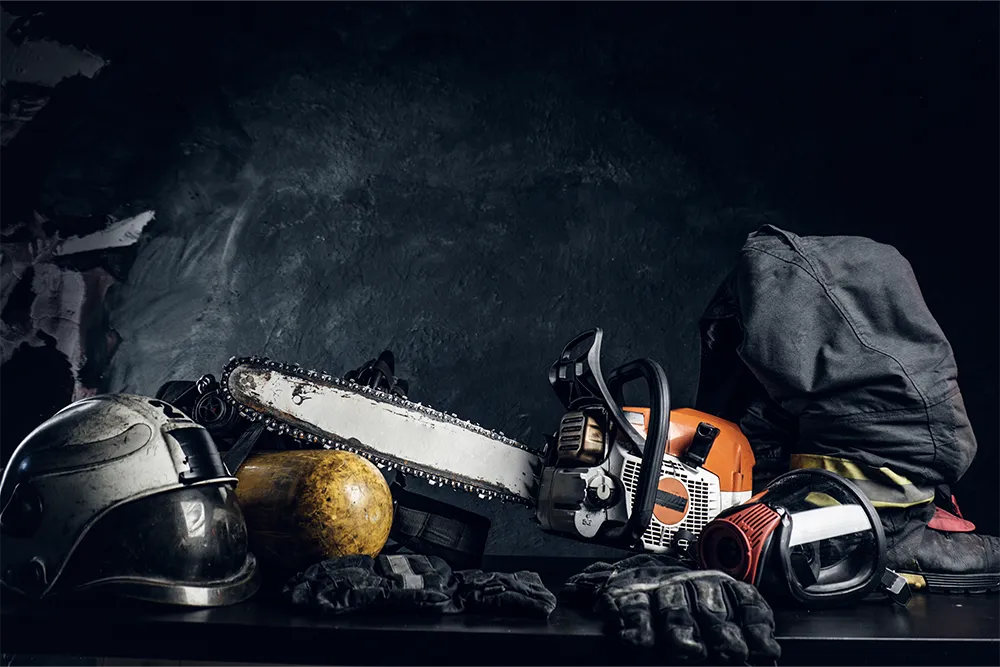
معدات الحماية الشخصية الخاصة بالمنشار الكهربائي هي مجموعة متعددة الطبقات من معدات السلامة التي تحميك من الارتداد، وشظايا الخشب المتطايرة، والضوضاء العالية، والتلامس المباشر مع السلسلة. تتضمن قائمة مراجعة معدات الحماية الشخصية الكاملة للمنشار خوذة صلبة مزودة بواقي للوجه، وواقيات للأذنين، ونظارات واقية، وقفازات مقاومة للقطع، وسراويل واقية للمنشار، وأحذية واقية. وقد صُنعت كل قطعة وفقًا لمعايير سلامة محددة. إن إهمال أي منها هو ما يجعل خطأً بسيطًا يتحول إلى رحلة إلى المستشفى.
يشرح هذا الدليل كل بند على حدة، والمعايير التي يجب أن يستوفيها، والأماكن التي يمكنك فيها التوفير بأمان — وتلك التي لا يمكنك ذلك فيها.
لماذا تعتبر معدات الحماية الشخصية عند استخدام المنشار الكهربائي مهمة؟
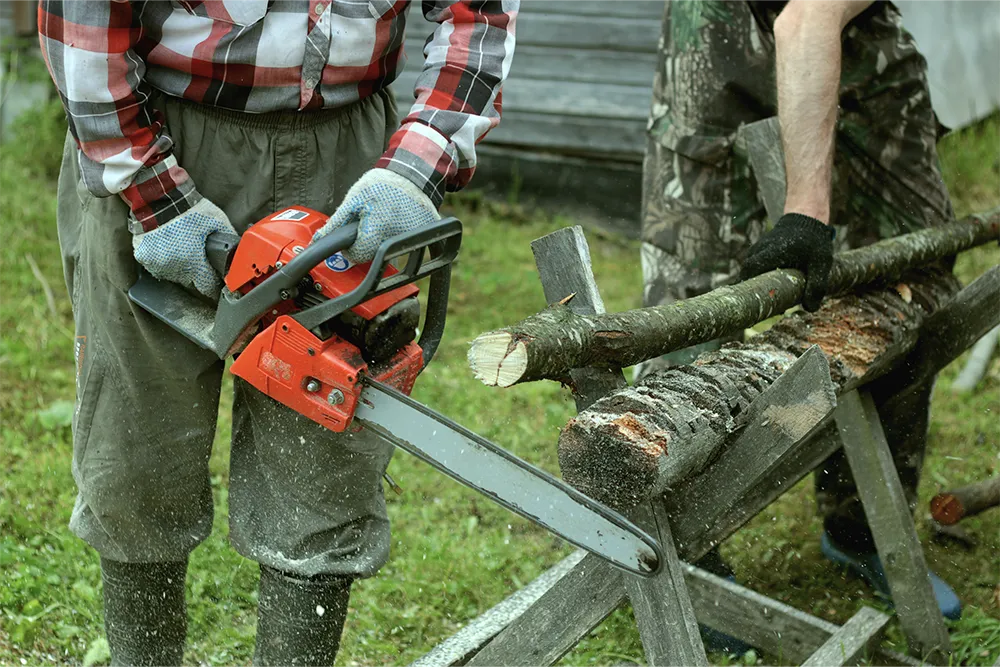
تتحرك سلسلة المنشار الكهربائي بسرعة تزيد عن 60 قدمًا في الثانية. وهذه السرعة هي ما يجعلها أداة مفيدة. وهي أيضًا ما يجعلها أخطر قطعة من المعدات في موقع العمل.
تشير المراكز الأمريكية لمكافحة الأمراض (CDC) إلى أن 36,000 زيارة إلى غرف الطوارئ كل عام بسبب حوادث المنشار الكهربائي في الولايات المتحدة. تتطلب الإصابة العادية حوالي 110 غرزة. أما أكثر مواقع الإصابة شيوعًا فهي:
- إن الساق اليسرى، فوق الركبة — الناتج عن ارتداد المنشار عند إتمام القطع.
- إن اليد المهيمنة أو الساعد — ناتج عن ارتداد، حيث تتعثر السلسلة عند طرف القضيب فتقذف المنشار إلى الأعلى.
- إن الرأس والوجه — من سقوط الأغصان أو من اصطدام المنشار الدوار بالمشغل.
معدات الحماية الشخصية لا تمنع وقوع الحادث، بل تمنع أن يكون الحادث ذو عواقب دائمة. فالسراويل الواقية من المنشار الكهربائي تبطئ حركة السلسلة بحيث لا تخترق العضلات. وقناع الخوذة يمنع الشظايا من إصابة العين. أما واقيات الأذن فتحافظ على سمعك على مدى سنوات من الاستخدام. كل قطعة من هذه المعدات تحل مشكلة محددة واحدة.
حماية الرأس — خوذة للغابات مزودة بواقي للوجه
يحتاج رأسك إلى ثلاثة أشياء في آن واحد: الحماية من الصدمات القادمة من الأعلى، وتغطية الأذنين، وحماية العينين. الحل الأمثل هو خوذة متعددة الاستخدامات للغابات الذي يضم الثلاثة معًا في وحدة واحدة.
ابحث عن خوذة تستوفي ANSI Z89.1 (الولايات المتحدة) أو EN 397 (أوروبا) لحماية الرأس في المجال الصناعي. وتأتي معظم خوذات الغابات مزودة بـ حاجب شبكي (تدفق هواء أفضل، وتكثف أقل) أو حاجب من البولي كربونات(حماية أفضل من نشارة الخشب والرقائق الصغيرة). بالنسبة لمعظم أعمال المنشار الكهربائي، تُعد قناع الشبكة الخيار القياسي.
تحل الخوذة المتكاملة المخصصة لأعمال الغابات محل ثلاث قطع منفصلة — الخوذة الواقية، وواقيات الأذنين، وواقي الوجه. وبالنسبة للمحترفين الذين يستخدمون المنشار الكهربائي يوميًا، فهي أكثر قطعة من معدات الحماية الشخصية فائدةً على الإطلاق في القائمة.
حماية العين — نظارات السلامة خلف حاجب الوجه
تمنع الحافة الشبكية دخول الشظايا الكبيرة، لكن الغبار الصغير والحطام الدقيق يمكن أن يتسلل من خلالها. ولهذا السبب نظارات السلامة ارتديه أولاً، ثم ضع الحاجب كطبقة ثانية.
يجب أن تستوفي النظارات ANSI Z87.1 (الولايات المتحدة) أو EN 166 (أوروبا). يتطلب كلا المعيارين أن تتحمل العدسة الصدمات عالية السرعة دون أن تتحطم. العدسات الشفافة هي الخيار الافتراضي. تساعد العدسات الملونة في الأيام المشمسة بالخارج، لكنها تشكل خطورة في ظروف الإضاءة المنخفضة. طلاءات مقاومة للتعفير تستحق أن تدفع ثمنها — فالنظارات المضببة تسبب إزعاجًا يكاد يضاهي عدم ارتداء النظارات على الإطلاق.
وسائل حماية السمع — سماعات واقية مصممة خصيصًا للضوضاء الناتجة عن المحركات ثنائية الأشواط
تعمل المنشار الغازي بسرعة من 108 إلى 113 ديسيبل عند أذن المشغل. وهذا الصوت أعلى مما يدركه مستخدم المنشار في كثير من الأحيان. وعند هذه المستويات، يبدأ تلف السمع بعد حوالي 15 دقيقة من التعرض دون حماية.
المقياس القياسي هو مؤشر خفض الضوضاء (NRR), ، المُعرَّف بـ ANSI S3.19. بالنسبة لأعمال المنشار الكهربائي، ابحث عن سدادات أذن مصنفة معدل خفض الضوضاء (NRR) 25 أو أعلى. تتضمن معظم الخوذات المركبة المخصصة لأعمال الغابات واقيات أذن مثبتة مسبقًا على أذرع قابلة للتعديل. إذا كنت تستخدم واقي أذن منفصلًا، فتأكد من أن الكؤوس تغطي أذنيك بالكامل.
البطارية المناشير السلكية تعمل بصوت أقل — عادةً ما يتراوح بين 95 و100 ديسيبل — لكنها لا تزال صاخبة بما يكفي لتستلزم ارتداء وسائل الحماية طوال يوم العمل.
حماية اليدين — قفازات للمنشار الكهربائي مزودة بحماية ضد الجروح في اليد اليسرى
تشبه قفازات المنشار الكهربائي إلى حد كبير قفازات العمل العادية، مع اختلاف واحد مهم. فهي تتميز بـ ألياف مقاومة للقطع مدمجة في الجزء الخلفي من اليد اليسرى.
والسبب يكمن في عدم التماثل. فيدفع المشغل يده اليسرى على المقبض الأمامي، الذي يقع مباشرة خلف السلسلة. وعند حدوث ارتداد، تنطلق السلسلة لأعلى وللخلف — مباشرةً نحو اليد اليسرى. وتعمل الألياف المقاومة للقطع الموجودة في تلك النقطة بالذات على إبطاء حركة السلسلة بما يكفي لمنع وقوع الإصابة الأكثر خطورة.
ابحث عن قفازات مصنفة لـ EN 381-7 أو ISO 17249-5. تحدد المعايير فئتين رئيسيتين: الفئة 0 (16 م/ث) للمستخدمين غير المنتظمين و الفئة 1 (20 م/ث) للاستخدام المهني. ولا يشترط أي من المعيارين توفير حماية ضد الجرح في اليد اليمنى.
حماية الساقين — سراويل واقية من المنشار وسراويل مخصصة للمنشار
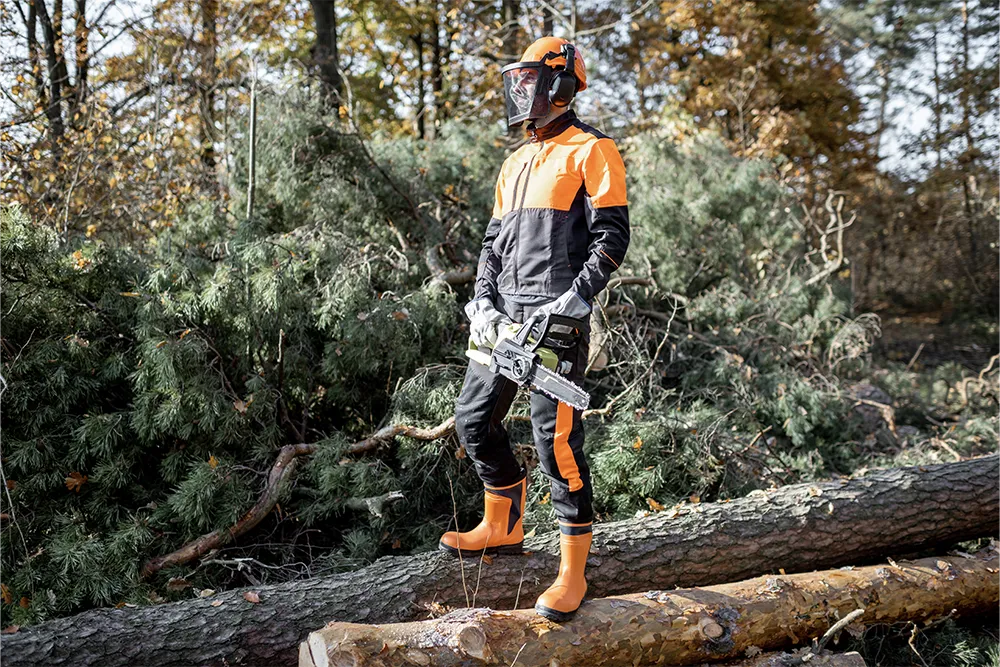
إذا كنت ستشتري قطعة واحدة فقط من معدات الحماية الشخصية الخاصة بالمنشار الكهربائي، بخلاف نظارات السلامة، فاشترِ سروالاً واقياً. فإصابات الساق هي أكثر إصابات المنشار الكهربائي شيوعاً، وهي الأصعب في التعافي منها.
كيف تعمل سراويل الحماية من المنشار الكهربائي فعليًّا
تبدو «الشابس» وكأنها مئزر ثقيل يُرتدى فوق السراويل العادية. وتحتوي من الداخل على طبقات من الألياف الباليستية — وعادةً ما الكيفلار, أفيرتيك, ، أو Tek-Warp. عندما تصطدم سلسلة متحركة بالرقعة، تنسحب الألياف وتسد عجلة المنشار. فتتوقف السلسلة في أجزاء من الثانية، وغالبًا قبل أن تصل إلى الجلد.
المعايير وتصنيفات الفئات
في أمريكا الشمالية، المعيار الرئيسي هو ASTM F1897. يجب أن تكون السراويل القصيرة والسراويل الطويلة مصنفة وفقًا لمعايير UL وفقًا لهذا المعيار. يُشير تصنيف سرعة السلسلة إلى السرعة التي يمكن للترس إيقاف السلسلة عندها:
- الفئة 0 — سرعة السلسلة تصل إلى 16 م/ث (52 قدم/ث)
- الفئة 1 — تصل إلى 20 م/ث (66 قدم/ث)
- الفئة 2 — تصل إلى 24 م/ث (79 قدم/ث)
- الفصل الثالث — تصل إلى 28 م/ث (92 قدم/ث)
في أوروبا، المكافئ هو EN 381-5 والأحدث EN ISO 11393-2. تعمل معظم المناشير المخصصة للاستخدام المنزلي بسرعة سلسلة تقع في نطاق الفئة 1. أما المناشير الاحترافية المخصصة لقطع الأشجار، فيمكن أن تصل درجة حرارتها إلى مستويات أعلى، لذا ينبغي للمحترفين التفكير في ارتداء سراويل واقية من الفئة 2 أو 3.
السراويل الملتفة مقابل السراويل ذات المئزر
سراويل واقية للبطن تحمي الجزء الأمامي من الساقين فقط. وهي أخف وزنًا وأرخص ثمناً، وتغطي المنطقة التي تحدث فيها معظم الجروح.
سراويل واقية ملتفة كما أنها تغطي الجزء الخلفي من الساقين. وهي أثقل وزناً وأكثر دفئاً، لكنها تحميك عند القطع بزوايا غير معتادة، أو على المنحدرات، أو باستخدام منشار لم تتقن استخدامه بعد.
السراويل الجلدية مقابل السراويل المقاومة للمنشار الكهربائي
المنشار سراويل يتم دمج الألياف المقاومة للقطع مباشرةً في البنطال. فهي أكثر راحة في الطقس الحار وتبقى ثابتة في مكانها بشكل أفضل أثناء التسلق. كما أنها أغلى ثمناً. يرتدي معظم أخصائيي العناية بالأشجار البنطال. أما معظم عمال قطع الأشجار الذين يعملون على الأرض، فيرتدون سراويل واقية فوق بنطال العمل العادي.
هام: هذه الواقيات مخصصة للاستخدام مرة واحدة فقط بعد إجراء الجرح
إذا تعرضت سروالك للقطع — ولو لمرة واحدة — فاستبدله. فالألياف الممزقة لا يمكن خياطتها مرة أخرى. وبذلك تفقد السروال قدرته على الحماية.
حماية القدمين — أحذية مصممة خصيصًا للاستخدام مع المناشير الكهربائية
أحذية العمل العادية لا تكفي لاستخدام المنشار الكهربائي. فأنت بحاجة إلى أحذية طويلة مطابقة لمعيار EN ISO 17249, ، الذي يحدد ثلاث فئات بناءً على سرعة السلسلة (الفئة 1 عند 20 م/ث، والفئة 2 عند 24 م/ث، والفئة 3 عند 28 م/ث).
ابحث عن هذه الميزات:
- حذاء ذو مقدمة فولاذية أو مقدمة مركبة للتعامل مع جذوع الأشجار المتساقطة.
- جزء علوي مقاوم للقطع على الجزء العلوي من القدم وحول الأربطة.
- الكاحل العالي للتثبيت على الأراضي الوعرة.
- نعل خارجي مقاوم للانزلاق مصممة للاستخدام على اللحاء الرطب والطين والطحالب.
غالبًا ما تكون أحذية الغابات ذات أربطة عالية — ثماني بوصات أو أكثر — لمنع دخول الأوساخ وحماية الجزء السفلي من الساق.
الرؤية العالية وحماية الجسم
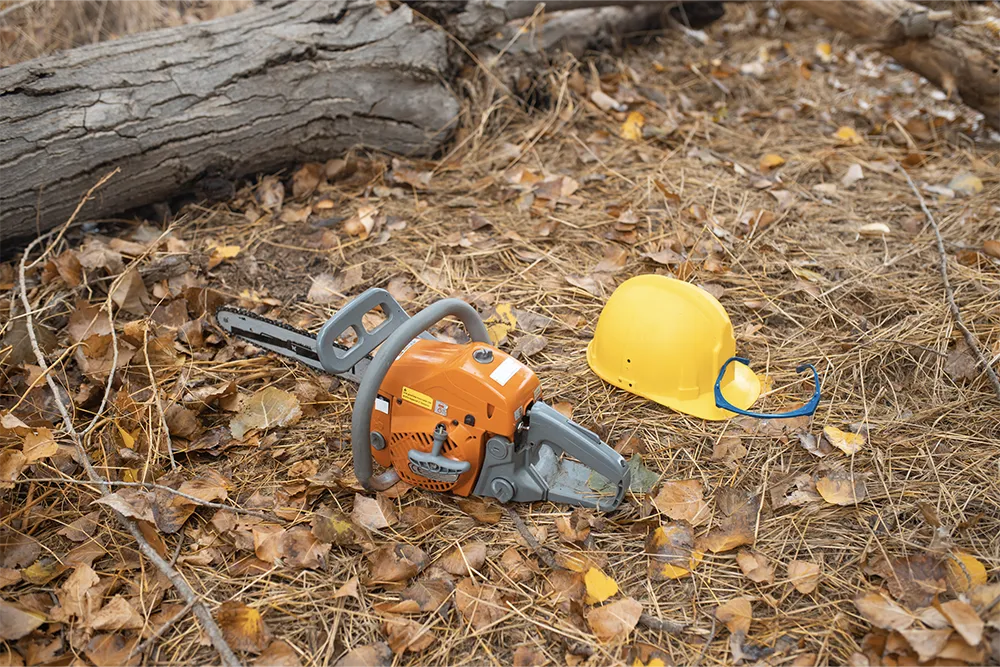
تُعد الطبقتان الإضافيتان مفيدتين في مواقع العمل المزدحمة أو أثناء العمل في الغابات.
ألوان عالية الوضوح (البرتقالي، والأصفر المائل إلى الأخضر) تجعلك مرئيًا بسهولة لأفراد الطاقم الآخرين وللمركبات. ANSI/ISEA 107 يحدد معايير ملابس العمل عالية الوضوح في الولايات المتحدة.
سترات مقاومة للقطع كما توفر الملابس الواقية حماية للصدر والذراعين. ولا يحتاج معظم أصحاب المنازل إليها، في حين يحتاجها غالبًا الحطابون المحترفون وأخصائيو العناية بالأشجار الذين يعملون في الأماكن المرتفعة.
مرجع سريع للمعايير
| جزء من الجسم | المعيار الأمريكي | معايير الاتحاد الأوروبي / المعايير الدولية | ما الذي تثبت صلاحيته |
| الرئيس | ANSI Z89.1 | EN 397 | تأثير الصدمات على الخوذة الصناعية |
| العيون | ANSI Z87.1 | EN 166 | عدسات مقاومة الصدمات |
| الأذنان | ANSI S3.19 (NRR) | EN 352 | تقليل الضوضاء |
| الأيدي | (لا يوجد معيار أمريكي) | EN 381-7 / ISO 17249-5 | مقاومة القطع، اليد اليسرى |
| الساقان | ASTM F1897 (مصنفة من قبل UL) | EN 381-5 / ISO 11393-2 | طبقات الألياف المانعة لتسلسل الخيوط |
| الأقدام | (لا يوجد معيار أمريكي منفصل) | EN ISO 17249 | أجزاء علوية للأحذية مقاومة للقطع |
| ملابس عالية الوضوح | ANSI/ISEA 107 | EN ISO 20471 | الرؤية في النهار والليل |
معدات الحماية الشخصية الخاصة بالمنشار الكهربائي الاحترافي مقابل تلك المخصصة للاستخدام العرضي
قائمة معدات الحماية الشخصية الكاملة لم تتغير. والسؤال هو: ما هي العناصر التي لا يمكنك الاستغناء عنها؟.
المجموعة الأساسية للاستخدام المنزلي العرضي
إذا كنت لا تقطع الحطب إلا في بضعة عطلات نهاية أسبوع في السنة، فلا تتجاهل أبدًا ما يلي:
- نظارات السلامة (Z87.1 / EN 166).
- واقيات الأذنين (NRR 25+).
- قفازات مقاومة للقطع.
- سراويل واقية من المنشار الكهربائي (حاصلة على تصنيف UL وفقًا لمعيار ASTM F1897).
- أحذية عمل متينة.
يُنصح بشدة بارتداء خوذة الغابات، لكنها ليست إلزامية تمامًا في عمليات القطع التي تتم على الأرض فقط.
مجموعة كاملة للاستخدام الاحترافي
إذا كان استخدام المناشير الكهربائية جزءًا من عملك، فأنت بحاجة إلى كل عنصر في هذه القائمة، في كل مرة:
- خوذة متكاملة للعمل في الغابات (خوذة + حاجب + سدادات أذن مدمجة).
- نظارات واقية تُرتدى خلف قناع الوجه.
- قفازات مقاومة للقطع من الفئة 1 أو 2.
- سراويل واقية من المنشار من الفئة 2 أو 3، أو سراويل واقية كاملة من المنشار.
- أحذية من الفئة 2 وفقًا لمعيار EN ISO 17249.
- طبقة خارجية عالية الوضوح عند العمل بالقرب من الطرق أو مع طاقم الأرض.
- سترة مقاومة للقطع أو واقي للذراعين مخصص للأعمال التي تُجرى فوق الرأس.
تتراوح تكلفة مجموعة أدوات احترافية كاملة بين $400 و$700. وتكلفة زيارة واحدة إلى قسم الطوارئ لعلاج جرح في الساق تفوق هذا المبلغ — في كل مرة.
الأسئلة الشائعة
هل ارتداء السراويل الواقية عند استخدام المنشار الكهربائي أمر ضروري حقًّا؟
بالنسبة لأصحاب المنازل في الولايات المتحدة، لا يُعتبر ارتداء السراويل الجلدية أمرًا إلزاميًا بموجب القانون — ولكن OSHA 1910.266 وهي ضرورية للعاملين في قطع الأشجار. وتوصي جميع هيئات السلامة المعنية بالمنشارات الكهربائية بارتدائها لجميع المستخدمين. وتعد جروح الساقين أكثر إصابات المنشارات الكهربائية شيوعًا، وتساعد السراويل الواقية على تجنب أسوأها. لذا، تعامل معها على أنها من المعدات الأساسية.
هل يمكنني استخدام قفازات العمل العادية عند استخدام المنشار الكهربائي؟
يمكنك ذلك، لكنك ستتخلى عن الميزة الأكثر أهمية: الحماية من الجروح في ظهر اليد اليسرى. فالقفازات العادية توفر الحماية من الشظايا وتخفف من إجهاد اليدين. لكنها لا تبطئ حركة المنشار. وبالنسبة للاستخدام العرضي، تبلغ تكلفة القفازات المصممة خصيصًا للمنشارات الحبلية حوالي $30، وهي تستحق هذا الإنفاق الإضافي.
ما هو أهم عنصر على الإطلاق في معدات الحماية الشخصية المستخدمة عند استخدام المنشار الكهربائي؟
وإذا اضطروا إلى اختيار خيار واحد، فإن معظم المتخصصين في مجال السلامة يختارون سراويل واقية للمنشار الكهربائي. تُعد إصابات الساق أكثر إصابات المنشار الكهربائي شيوعًا، كما أنها الأصعب في التعافي منها. وتأتي وسائل حماية العين والأذن في المرتبة الثانية مباشرةً — فهي تحميك من الأضرار التي قد لا تشعر بها إلا بعد مرور سنوات.
هل تحتاج المناشير التي تعمل بالبطارية إلى معدات حماية شخصية أقل مقارنة بالمناشير التي تعمل بالبنزين؟
أقل قليلاً، لكن ليس كثيرًا. أ منشار سلسلة لاسلكي تعمل بشكل أكثر هدوءًا، لذا فإن خطر التعرض للضوضاء أقل على مدار اليوم بأكمله. لكن السلسلة لا تزال تتحرك بنفس السرعة الخطيرة. ولا تزال بحاجة إلى سراويل واقية وقفازات وواقيات للعين وواقيات للرأس. يمكنك الاستغناء فقط عن سماعات الأذن ذات معدل التخفيف العالي (NRR) إذا أردت، وحتى ذلك يعد مقايضة محفوفة بالمخاطر.
ما هي مدة صلاحية سراويل الحماية الخاصة بالمنشار الكهربائي؟
إذا لم تتعرض للسقوط أبدًا، فإن السراويل الواقية المصنوعة جيدًا تدوم من 5 إلى 10 سنوات. أما إذا تم شد الألياف نتيجة السقوط، فإن السراويل تصبح غير صالحة للاستخدام — لذا يجب استبدالها على الفور. افحص السراويل قبل كل استخدام للتأكد من عدم وجود تآكل أو ثقوب أو تلف في الألياف ناتج عن الاستخدام السابق.
ما هي معدات الحماية الشخصية المطلوبة عند استخدام المنشار الكهربائي وفقًا لمعايير OSHA؟
بالنسبة لعمليات قطع الأشجار،, OSHA 1910.266 يتطلب حماية الرأس والعينين والسمع واليدين والقدمين والساقين. ويجب ارتداء سراويل واقية أو سراويل خاصة بالمنشار. كما يُشترط ارتداء خوذات الغابات في المناطق المعرضة لسقوط الأجسام. ويجب ارتداء ملابس عالية الوضوح عند العمل بالقرب من حركة مرور المركبات. بالنسبة للاستخدام الخاص لأصحاب المنازل، لا تنطبق لوائح OSHA، لكن نفس المعدات تحميك على أي حال. في جميع منتجاتنا من المناشير، ترسل Titantec كل منشار مع ورقة معلومات أمان أساسية — لكن المعدات المذكورة أعلاه هي ما يحمي المشغل من التعرض للإصابة. إذا كنت تقوم ببناء خط إنتاج مناشيرك الخاصة سواء كان ذلك للبيع بالتجزئة أو للعلامات التجارية الخاصة، فإن إرفاق المنشار بمجموعة أولية من معدات الحماية الشخصية يُعد أحد أقوى الخطوات التي يمكنك اتخاذها لكسب ثقة العملاء.
هل تريد معرفة المزيد عن منتجاتنا؟
عرض جميع المنتجات الآن