أفضل الأدوات للتنظيف الخريفي: حلول أساسية لصيانة الحديقة
الانتقال إلى القسم
تشمل أفضل الأدوات اللازمة للتنظيف في فصل الخريف: منفاخ أوكسة الأوراق أو مجرفة الأوراق، وجزازة العشب المزودة بخاصية التغطية، وأدوات تقليم النباتات، وأدوات جمع الحطام. تُستخدم هذه الأدوات لإزالة الأوراق، وتقليم النباتات، وحماية حديقتك قبل حلول فصل الشتاء.
ستتعلم كيفية اختيار الأدوات الأساسية لتنظيف العشب، وأدوات البستنة والتقليم، وأدوات جمع المخلفات من الفناء. كما يتناول هذا الدليل العناية بالتربة، والاستعداد لمواجهة الثلج والجليد، ومعدات السلامة، وكيفية تخزين أدوات الخريف وصيانتها لضمان استمرار صلاحيتها موسمًا بعد موسم.
ما هي الأدوات الأساسية لتنظيف الحديقة في الخريف؟
يمكنك إنجاز أعمال التنظيف الخريفية على أفضل وجه باستخدام آلات تقوم بقص الحطام ونقله وجمعه وغسله، مع تحديد حدود وإعدادات واضحة. يشرح هذا القسم كيفية استخدام جزازات العشب، وآلات نفخ الأوراق،, مكنسة أوراق الشجر، وكيف تساعد آلات الغسيل بالضغط في صيانة الحديقة، وما هي وظيفة كل أداة، وما هي الميزات الأكثر أهمية.
جزازات العشب
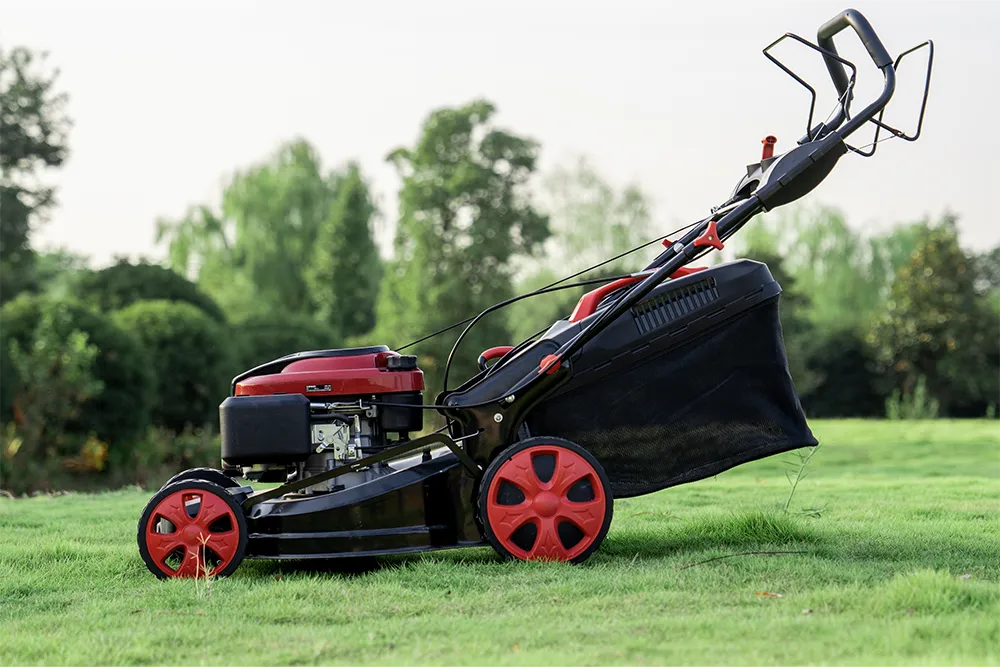
آلة جز العشب هي أداة تعمل بالطاقة وتقوم بقص العشب إلى ارتفاع محدد باستخدام شفرة دوارة. وأثناء أعمال التنظيف في الخريف، تُستخدم هذه الآلة لتقطيع الأوراق إلى قطع صغيرة تتحلل بشكل أسرع على العشب.
الميزات الرئيسية التي يجب البحث عنها في جزازات العشب:
- شفرة تغطية ذات حواف منحنية لأنه يرفع الأوراق ويعيد تقطيعها، مما يساعد على تحللها.
- نطاق تعديل الارتفاع من 1 إلى 4 بوصات لذلك تجنب قص العشب الخاص بالموسم البارد قبل حلول الشتاء.
- سطح فولاذي (عادةً من عيار 14–16) لأنها تقاوم الخدوش الناتجة عن العصي وقرون البذور.
بالنسبة لك، هذا يعني كمية أقل من الأوراق التي يتعين عليك جرفها، وتغطية أفضل للتربة. وتُظهر التجارب التي أجرتها خدمة الإرشاد الزراعي أن الأوراق المستخدمة كغطاء لا تضر بالعشب عند نثرها بشكل متساوٍ.
منفاخ أوراق الشجر
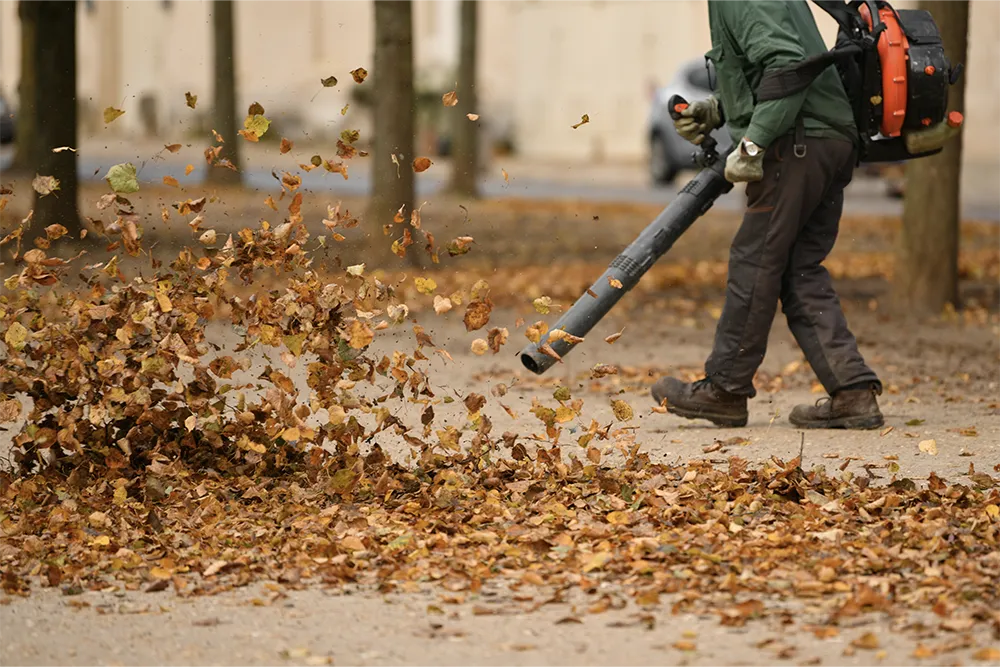
منفاخ الأوراق هو جهاز يعمل على إزالة الأوراق الجافة والعشب باستخدام هواء عالي السرعة. ويُستخدم لتنظيف المساحات الواسعة بسرعة أكبر مقارنة بالمجارف، لا سيما على طول الأسوار، وفي الباحات، وممرات السيارات. وتصدر منفاخات الأوراق الكهربائية ضوضاء أقل مقارنة بالطرازات التي تعمل بالبنزين، وغالبًا ما تقل عن 65 ديسيبل. وهذا يعني بالنسبة لك سهولة أكبر في استخدامها بالقرب من الجيران.
المواصفات المهمة لمنافيخ أوراق الشجر:
- سرعة الهواء (150–230 ميل في الساعة) يحدد مدى كفاءة تحريكك للأوراق المبللة.
- حجم الهواء (350–700 CFM) يحدد مساحة المنطقة التي يتم تنظيفها في كل مرة.
- يزيد وزن الطرز المحمولة باليد عن 10 أرطال يقلل من إجهاد الذراع.
مكانس أوراق الشجر
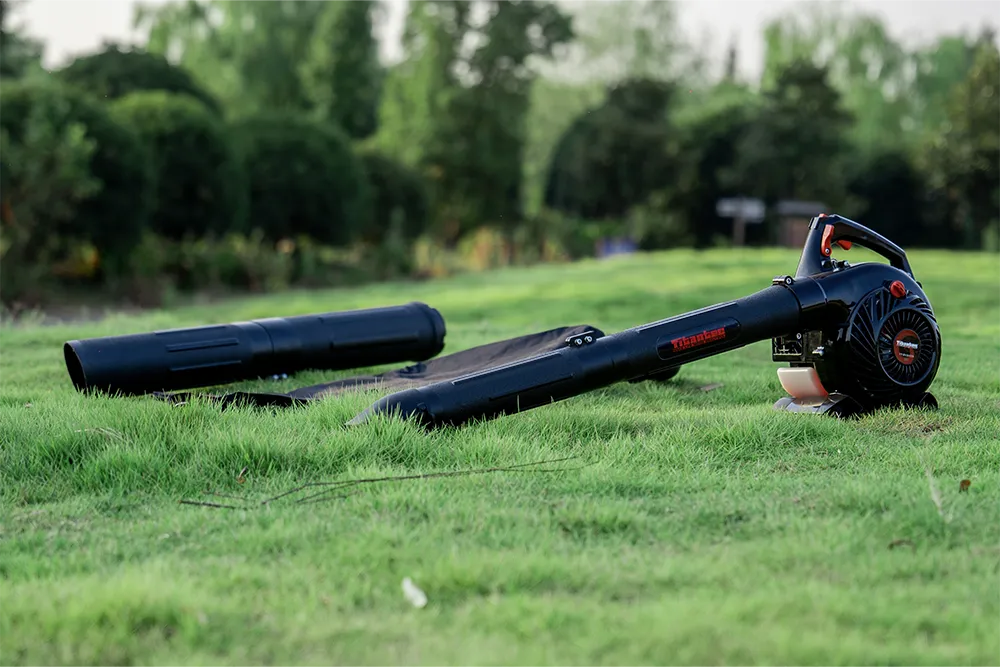
مكنسة أوراق الشجر هي منفاخ يعمل على عكس اتجاه تدفق الهواء لجمع الأوراق في كيس بعد تقطيعها. وتُستخدم هذه الآلة عندما يكون التعبئة في أكياس أمرًا مهمًّا، مثل التجميع على جانب الرصيف أو التحضير للسماد العضوي.
المكونات الأساسية لمكانس أوراق الشجر:
- دفاعة التغطية المعدنية لأنها تقسم الأوراق إلى قطع أصغر قبل تخزينها.
- نسبة تخفيض تبلغ 10:1 أو أكثر وبالتالي، تمتلئ الأكياس ببطء أكبر.
- حقيبة خلفية أو تُحمل على الكتف (1–2 بوشل) لتحقيق التوازن في الوزن.
في الواقع، يعني هذا تقليل عدد المرات التي تضطر فيها إلى تفريغ الأكياس. تعمل مكنسات أوراق الشجر بشكل أفضل مع الأوراق الجافة والمروج المستوية. ولا تزال بحاجة إلى المجارف للتعامل مع أكوام الأوراق الرطبة والأماكن الضيقة.
آلة التنظيف بالضغط
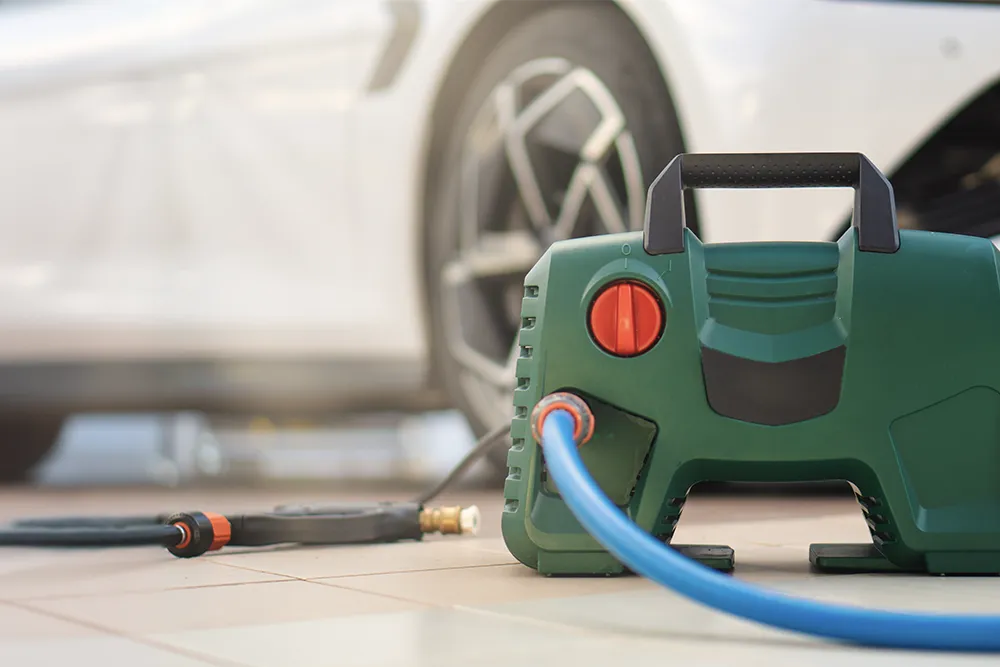
تقوم آلة التنظيف بالضغط برش الماء بضغط عالٍ لإزالة الأوساخ العالقة من الأسطح الصلبة. وتُستخدم بعد إزالة الأوراق لتنظيف الشرفات والممرات وأسطح آلات جز العشب.
نطاقات الضغط المفيدة في آلات التنظيف بالضغط:
- 1,600–2,300 رطل لكل بوصة مربعة للخرسانة والحجر والمعدات.
- معدل التدفق: 1.2–1.6 جالون في الدقيقة للحد من استهلاك المياه مع الحفاظ على فعالية التنظيف.
- رؤوس رش بزاوية 15–25 درجة لتجنب تلف السطح.
وهذا يعني بالنسبة لك أسطحًا أنظف دون الحاجة إلى استخدام مواد كيميائية قاسية. كما أن غسل أسطح آلات جز العشب يقلل من التآكل، لأن العشب الجاف يحتفظ بالرطوبة أثناء التخزين.
ما هي أدوات صيانة الحدائق والتقليم؟
يعتمد تنظيف الفناء في الخريف على قطع نظيفة ونمو منظم. تساعدك أدوات التقليم المناسبة على إزالة الأغصان الميتة، وتشكيل النباتات، وتنظيم نشارة الأوراق، بحيث تعمل أدوات العناية الأخرى بالحديقة — مثل جزازة العشب المزودة بوظيفة التغطية أو مكنسة الحديقة — بشكل أفضل.
مقصات التقليم
مقصات التقليم هي أدوات يدوية ذات شفرات قصيرة تُستخدم لقطع السيقان والأغصان الصغيرة. تُستخدم هذه المقصات أثناء تنظيف الحديقة في الخريف لإزالة النباتات الميتة، وتشذيب النباتات المعمرة، وتقليم الأعشاب قبل حلول الصقيع. تتيح مقصات التقليم إجراء قطع نظيفة، مما يساعد النباتات على التعافي قبل حلول الشتاء.
الميزات الرئيسية لمقصات التقليم:
- نوع الشفرة: تتميز شفرات التجاوز بحافتين منحنيتين تتقاطعان مع بعضهما. ويقلل هذا التصميم من التمزق لأن الشفرات تقطع المواد بدلاً من سحقها.
- مادة الشفرة: تحافظ الشفرات المصنوعة من الفولاذ المقوى على حدتها لفترة أطول. وهذا يعني للمستخدم تقليل عدد مرات الشحذ.
- تصميم المقبض: تُحسّن المقابض المضادة للانزلاق التحكم عندما تكون اليدين مبللتين بسبب نشارة الأوراق أو الندى.
آلات تشذيب السياج
آلات تقليم الشجيرات هي أدوات كهربائية مزودة بشفرات طويلة ومسطحة تقطع العديد من الفروع الصغيرة دفعة واحدة. تُستخدم هذه الآلات لتشذيب الشجيرات والنباتات الشجيرة خلال فصل الخريف، بعد تباطؤ نموها. وتنتج الشجيرات المُشذَّبة كمية أقل من المخلفات، مما يزيد من فعالية المكنسة اليدوية المخصصة للعشب.
الميزات الرئيسية لقاطعات الشجيرات:
- طول الشفرة: تغطي الشفرة التي يبلغ طولها 20–22 بوصة مساحة أكبر في كل مسيرة. وفي الواقع، يعني ذلك عددًا أقل من المسرات على طول السياجات الطويلة.
- سعة القطع: يمكن قطع العديد من الفروع التي يصل سمكها إلى ¾ بوصة، وهو ما يناسب شجيرة البوكسوود وشجيرة البريفيت.
- تصميم السن: تعمل الأسنان الملتوية على سحب الأغصان نحو الشفرة، مما يقلل من حالات الفشل في القطع.
مقصات الأغصان
المقصات الطويلة هي أدوات قص ذات مقبض طويل مصممة لقطع الفروع السميكة. تُستخدم عند تقليم الأشجار أو الشجيرات الكبيرة التي لا تصل إليها المقصات العادية. يساعد استخدام المقصات الطويلة في تقليل الحطام الكبير قبل الانتقال إلى استخدام آلات التقطيع، أو جزازة العشب ذات الدوران الصفر، أو مكنسة العشب.
الميزات الرئيسية
- طول المقبض: مقابض بطول 24–32 بوصة زيادة القوة. نظرًا لأن المقابض تزيد من مدى يدك، فإنك تبذل جهدًا أقل في كل عملية قطع.
- رأس القطع: تحمي الرؤوس الجانبية الخشب الحي، بينما تعمل الرؤوس المطرقة بشكل أفضل على الأغصان الجافة.
- طلاء الشفرة: تقلل الطلاءات منخفضة الاحتكاك من تراكم العصارة. وبالنسبة للمستخدم، يعني ذلك قطعًا أكثر سلاسة خلال جلسات العمل الطويلة.
ما هي أدوات جمع مخلفات الحديقة المستخدمة في أعمال التنظيف الخريفية؟
تساعدك أدوات جمع النفايات من الحديقة على تجميع الأوراق والأغصان والقصاصات ونقلها وتقليل حجمها أثناء أعمال التنظيف في الخريف. ستتعرف على كيفية قيام الصناديق بنقل النفايات عبر حديقتك، وكيف تعمل آلات التقطيع على تقليل حجم الأوراق لتسهيل التخلص منها أو إعادة استخدامها.
صناديق نفايات الحدائق
صندوق نفايات الحديقة هو حاوية صلبة أو مرنة تُستخدم لجمع ونقل المخلفات السائبة. ويُستخدم هذا الصندوق بعد القص باستخدام أدوات التقليم والمقصات الكبيرة والمقصات العادية، أو عند رفع المواد التي تم تفكيكها باستخدام شوكات الحديقة والمعاول.
الميزات الرئيسية التي يجب البحث عنها في صناديق نفايات الحدائق:
- السعة: تغطي السعة التي تتراوح بين 32 و65 غالونًا معظم ساحات المنازل؛ أما الأحجام الأكبر فتقلل من عدد الرحلات.
- المادة: البولي إيثيلين المقاوم للأشعة فوق البنفسجية يقاوم التشقق في الطقس البارد.
- التنقل: تُعد العجلات المدمجة أو مقبض السحب من العوامل المهمة، لأن وزن الصناديق الممتلئة قد يتجاوز 100 رطل.
نظرًا لأن الصناديق تحافظ على احتواء النفايات، فإنك تقضي وقتًا أقل في تجريف نفس المنطقة. وفي الواقع، يعني ذلك سرعة أكبر في تحميل النفايات في عربة يدوية أو عدة عربات يدوية أو عربة حديقة، سواء كان ذلك للتخلص منها على الرصيف أو لتحويلها إلى سماد. استخدم صناديق ذات جوانب مسطحة لتكديس الأكياس، ومزودة بفتحات تصريف لتصريف مياه الأمطار.
آلات التقطيع
آلة التقطيع هي أداة تعمل بالطاقة وتقوم بتقطيع الأوراق إلى قطع أصغر. تُستخدم لتقليل حجم الأوراق بعد جمعها بالجرف أو بالمكنسة الكهربائية، خاصةً عندما تتساقط كميات كبيرة من أوراق الأشجار.
أهم ما يجب مراعاته عند استخدام آلة التقطيع:
- نسبة التغطية: تتيح نسبة الضغط من 16:1 إلى 20:1 ضغط العديد من الأكياس في كيس واحد، مما يوفر المساحة.
- نوع الطاقة: توفر الطرز السلكية طاقة ثابتة؛ بينما تتيح الطرز اللاسلكية نطاقًا أوسع.
- الدوار: تتميز المراوح المعدنية بعمر افتراضي أطول لأنها تقاوم التآكل الناتج عن الجسيمات الرملية.
نظرًا لأن آلات تقطيع الأوراق تقسم الأوراق إلى قطع صغيرة، فإنها تتراكم بشكل محكم وتتحلل بسرعة أكبر. وبالنسبة للمستخدم، يعني ذلك عددًا أقل من الأكياس الملقاة على جانب الرصيف ومواد أفضل للسماد العضوي أو أحواض الزراعة. استخدم آلة تقطيع الأوراق مع... أدوات البستنة وعربة لتضمن سير عملك بشكل سلس ومنظم.
ما هي أدوات العناية بالتربة والمروج اللازمة للتنظيف في فصل الخريف؟
تساعدك أدوات العناية بالتربة والمروج على حماية جذور العشب وتحسين صحة التربة أثناء أعمال التنظيف الخريفية. تستخدم هذه أدوات صيانة الحديقة للحد من تراكم التربة، والتعامل مع المخلفات الناتجة عن تنظيف الفناء، ووضع خطوات واضحة للاستعداد لفصل الشتاء.
أجهزة تهوية العشب
جهاز تهوية العشب هو أداة تُزيل كتل صغيرة من التربة لتخفيف التكتل وتحسين تدفق الهواء والماء.
الميزات الرئيسية لأجهزة تهوية العشب:
- أسنان مجوفة (من النوع ذي اللب) لإزالة التربة بشكل فعلي
- عمق العمل يتراوح بين 2 و3 بوصات
- الوزن أو القوة السفلية للحفاظ على العمق
شوكات ومعاول الحدائق
شوكات الحدائق والمعاول هي أدوات يدوية تُستخدم لقلب التربة، وتشذيب حواف أحواض الزراعة، ورفع التربة المناطق المكتظة بالسكان. تستخدم شوكة الحديقة أربعة أسنان فولاذية، يبلغ طول كل منها غالبًا ما بين 10 و12 بوصة، لتفكيك التربة دون الإضرار ببنيتها.
السمات الرئيسية لشوكات الحدائق والمجارف:
- أسنان أو شفرات فولاذية خضعت للمعالجة الحرارية
- مقبض على شكل حرف D أو مقبض على شكل حرف T للتحكم
- حافة مسطحة (على شكل مجرفة) لقطع دقيقة
أدوات فحص التربة
A مجموعة أدوات فحص التربة يقيس درجة الحموضة والمغذيات حتى تعرف ما يجب إضافته وما يجب تجنبه. وبالنسبة للمستخدم، هذا يعني تجنب الإفراط في التسميد قبل حلول فصل الشتاء.
الميزات الرئيسية لأطقم اختبار التربة:
- مقياس نطاق الرقم الهيدروجيني (عادةً 4.5–8.0)
- قراءات N-P-K أو خيار التحليل المختبري
- تعليمات واضحة وأمثلة على الأدوات
ما هي الأدوات اللازمة للتعامل مع الثلج والجليد استعدادًا لأعمال التنظيف في الخريف؟
يمكنك الاستعداد للتعامل مع الثلج والجليد خلال أعمال التنظيف الخريفية من خلال اختيار الأدوات التي تتعامل مع التراكمات المتجمدة وتحمي الأسطح الصلبة. فالأدوات المناسبة تسرع عملية إزالة الأوراق، وتقلل من مخاطر الانزلاق، وتحافظ على المظهر الجمالي للمنزل بمجرد انخفاض درجات الحرارة.
مجارف الثلج
مجرفة الثلج هي أداة يدوية مصممة لرفع أو دفع الثلج من المساحات المستوية مثل ممرات السيارات والأرصفة. وتُستخدم بعد الانتهاء من مهام الخريف، مثل تقطيع الأوراق أو كنسها، عندما لا تعود قصاصات العشب والأوراق تعترض الرصيف.
السمات المشتركة للرفوف الثلجية التي يجب الانتباه إليها:
- مقبض منحني أو مصمم هندسيًا للحد من انحناء أسفل الظهر
- مقبض على شكل حرف D لتحقيق تحكم أفضل عند ارتداء القفازات
- طلاء الشفرة المقاوم للالتصاق الذي يحد من تراكم الثلج
من الناحية العملية، هذا يعني أنك ستتمكن من تنظيف الممرات بسرعة أكبر وتجنب الإجهاد الناتج عن التراجع عن العمل بعد أسابيع من أعمال الحديقة الخريفية باستخدام أداة تشذيب الأوتار أو ماكينة تشذيب الشجيرات.
ما هي معدات السلامة التي يمكننا استخدامها عند القيام بأعمال الحديقة في فصل الخريف؟
تحتاج إلى معدات السلامة عند القيام بأعمال الحديقة في الخريف لتجنب الجروح وإصابات العين وتلف السمع أثناء تنظيف الأوراق وتشذيب النباتات. ستتعرف على المعدات التي يجب ارتداؤها، والمعايير التي يجب الانتباه إليها، وأهمية كل عنصر منها أثناء التنظيف الخريفي.
ارتدِ القفازات، وواقيات العين، وواقيات الأذن، والملابس الواقية في كل مرة تعمل فيها. وارتدِ أحذية متينة لتوفير ثبات أفضل على الأوراق المبللة والتربة غير المستوية. فكل قطعة من هذه المعدات تحميك من خطر محدد تواجهه أثناء تنظيف الحديقة في فصل الخريف.
فيما يلي جدول يوضح معدات السلامة التي يمكنك ارتداؤها:
| معدات السلامة | قياسي أو خاص (EAV) | لماذا هذا مهم بالنسبة لك |
| قفازات العمل | مقاومة القطع وفقًا لمعيار EN388، المستوى 2+ | يقلل تصنيف الحماية من الجروح الذي تم اختباره من جروح اليد الناتجة عن الفروع والأشواك. وفي الواقع العملي، يمكنك إمساك الأدوات مع تقليل مخاطر إصابة الجلد. |
| نظارات السلامة | مطابق لمعيار ANSI Z87.1 لمقاومة الصدمات | يؤكد هذا التصنيف مقاومة الصدمات. وهذا يعني أن الأغصان المتطايرة والغبار لن تدخل عينيك. |
| وسائل حماية السمع | معدل خفض الضوضاء (NRR) 22 ديسيبل أو أعلى (ANSI S3.19) | يؤدي خفض مستوى الضوضاء الذي تم قياسه إلى تقليل التعرض للضوضاء الصادرة عن المنافيخ وآلات جز العشب، مما يحمي السمع أثناء الاستخدام لفترات طويلة. |
| أكمام طويلة وسراويل طويلة | قطن أو جينز محكوك بإحكام | يحد النسيج الكثيف من الخدوش والتعرض لأشعة الشمس. وبذلك تتجنب حدوث تشققات في الجلد التي قد تؤدي إلى الإصابة بالعدوى. |
| أحذية العمل | نعل خارجي مطاطي مقاوم للانزلاق | تقلل قوة الجر المُختبرة من الانزلاق على الأوراق المبتلة، مما يساعدك على الحفاظ على توازنك على المنحدرات. |
استخدم هذا الترس مع آلات نفخ الأوراق، ومقصات التشذيب، وآلات جز العشب. تأكد من ملاءمته قبل البدء، لأن الترس غير المثبت جيدًا قد يعلق في الأجزاء المتحركة.
الأسئلة الشائعة
هل يمكنك أن تنصحني بقفازات متينة ومناسبة لأعمال الحديقة في الخريف؟
نعم. يجب عليك استخدام قفازات ذات راحة يد مطلية بالنيتريل وطبقة خارجية من نسيج النايلون أو البوليستر.
يتميز طلاء النتريل بمقاومته للماء والزيوت لأنه يشكل سطحًا محكم الإغلاق. وهذا يعني بالنسبة لك أن الأوراق المبللة والطين لن يتسربا خلال أعمال التنظيف في فصل الخريف.
ابحث عن قفازات مصنفة وفقًا لمستوى التآكل 3 أو أعلى وفقًا لمعايير ANSI. في الواقع، يعني هذا التصنيف أن القفاز يقاوم التمزق عند استخدام المجرفة، أو سحب الأغصان، أو التعامل مع اللحاء الخشن.
ما الذي يجب أن أبحث عنه في آلة تغطية التربة عالية الجودة؟
يجب أن تنتبه إلى قوة المحرك، وسعة التغذية، ونسبة التخفيض؛ لأن هذه المعايير تحدد ما يمكن للآلة أن تتعامل معه.
توفر آلة تقطيع الأوراق الكهربائية المزودة بمحرك بقوة تتراوح بين 13 و15 أمبير عزم دوران ثابتًا. وهذا يعني أنها قادرة على تقطيع الأوراق الجافة والأغصان الصغيرة دون أن يتوقف المحرك.
تحقق من نسبة التخفيض، مثل 10:1 أو أعلى. بعبارة أخرى، تقوم آلة التغطية بتحويل عشر أكياس من الأوراق إلى كيس واحد من المهاد، مما يقلل من عدد مرات التخلص منها ويوفر المساحة.
هل توجد أي أدوات صديقة للبيئة يُنصح باستخدامها لتنظيف الحديقة في فصل الخريف؟
نعم. تقلل الأدوات الكهربائية التي تعمل بالبطارية وتلك التي تعمل بالأسلاك من الانبعاثات أثناء أعمال تنظيف الحديقة في الخريف.
تعمل جزازات العشب الكهربائية اللاسلكية ونافخات أوراق الشجر ببطاريات ليثيوم أيون، وغالبًا ما تكون أنظمة تتراوح جهدها بين 40 فولت و80 فولت. وهذا يعني بالنسبة لك عدم وجود أبخرة وقود، ومستوى ضوضاء أقل، وصيانة روتينية أقل.
تُعتبر الأدوات اليدوية أيضًا أدوات صديقة للبيئة. فمكنسة العشب اليدوية أو المجرفة الفولاذية لا تستهلك أي وقود، مما يجعل استهلاك الطاقة صفراً مع الاستمرار في التخلص من أوراق الشجر وبقايا العشب.
هل تريد معرفة المزيد عن منتجاتنا؟
عرض جميع المنتجات الآن