Las 10 mejores herramientas eléctricas para exteriores de Titantece para propietarios de viviendas: guía de expertos
Saltar a la sección
Las herramientas eléctricas para exteriores facilitan enormemente las tareas de jardinería a los propietarios que desean mantener su propiedad en buen estado sin tener que dedicar todos los fines de semana al trabajo manual. Con la combinación adecuada de cortacéspedes, recortadoras, sopladores y herramientas de corte, podrás hacer frente a cualquier tarea, desde el corte básico del césped hasta proyectos de paisajismo más ambiciosos.
Estas herramientas han cambiado mucho últimamente. La nueva tecnología de baterías y los motores mejorados ofrecen ahora una potencia que realmente rivaliza con la de los equipos de gasolina de toda la vida.
La elección de las herramientas eléctricas para exteriores adecuadas depende del tamaño de tu propiedad, de los trabajos que tengas que realizar y de tus preferencias personales entre las herramientas a batería y las de gasolina. Las herramientas a batería ya tienen la autonomía y la potencia suficientes para la mayoría de los jardines normales, pero las de gasolina siguen siendo la mejor opción en propiedades grandes o para trabajos más exigentes.
Saber para qué sirve cada herramienta te ayuda a crear una colección que se adapte realmente a tus necesidades; no tiene sentido gastar dinero en cosas que nunca vas a usar.
Esta guía destaca las herramientas eléctricas de exterior más importantes para los propietarios de viviendas, desde los equipos básicos para el cuidado del césped hasta los equipos especializados para la poda y el paisajismo. También encontrarás información clave sobre los sistemas de baterías, los tipos de motor y qué aspectos debes tener en cuenta a la hora de comparar marcas o modelos.
Herramientas imprescindibles para el cuidado del césped
Para que un césped esté bien cuidado, se necesitan cuatro herramientas eléctricas principales que trabajen en conjunto para conseguir ese aspecto impecable. El cortacésped se encarga de la mayor parte del corte, mientras que los recortadores, los sopladores y los cortabordes se ocupan de los detalles que dan a un jardín ese acabado perfecto.
Cómo elegir el cortacésped adecuado
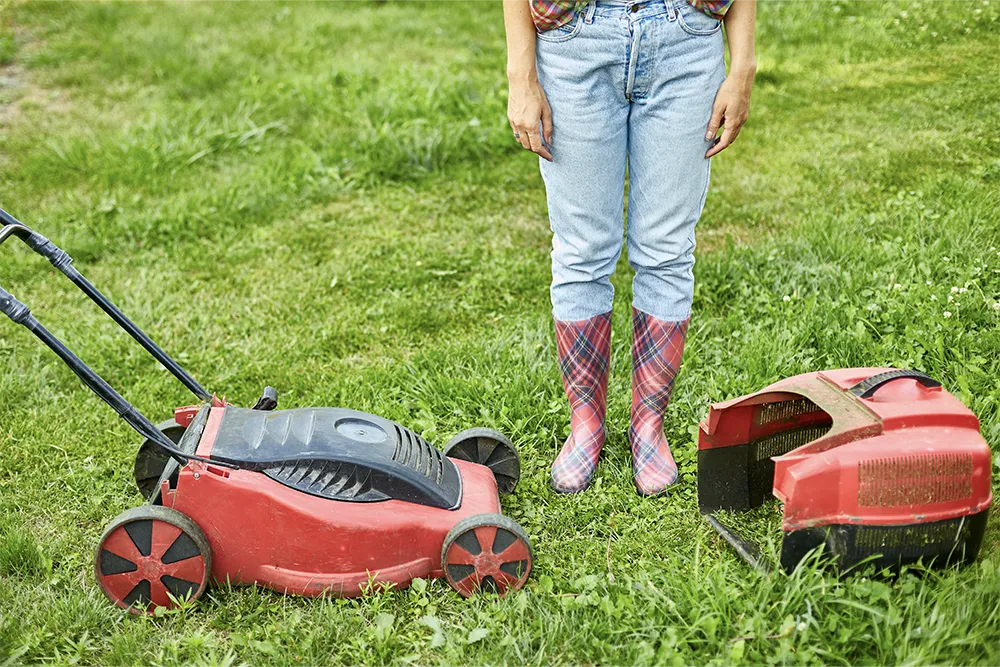
El tamaño de tu propiedad es lo que realmente determina qué cortacésped es el más adecuado. Si tienes un jardín pequeño —menos de un cuarto de acre—, normalmente basta con un cortacésped manual. Estos modelos son económicos y fáciles de guardar.
Para jardines de tamaño medio o céspedes en pendiente, un cortacésped autopropulsado supone un cambio revolucionario. El sistema de tracción se encarga de la mayor parte del trabajo, manteniendo un ritmo constante incluso en terrenos irregulares.
Los cortacéspedes a batería han evolucionado mucho. La mayoría puede cubrir ahora hasta medio acre con una sola carga. Busca modelos con altura de corte ajustable: lo habitual es que tengan tres o más posiciones entre 1,5 y 4 pulgadas.
Si tienes una finca más grande, es posible que necesites un cortacésped autopropulsado o un modelo de giro cero para que el trabajo sea más eficiente.
Desbrozadoras para los toques finales
Las desbrozadoras llegan a esos lugares a los que los cortacéspedes no pueden acceder: a lo largo de las vallas, alrededor de los árboles y cerca de las paredes. A recortadora de césped sin cable te ahorra la molestia de tener que usar cables alargadores y, aun así, proporciona una potencia más que suficiente para la mayoría de los trabajos de recorte.
Te conviene una desbrozadora con un ancho de corte de al menos 12 pulgadas y control de velocidad variable. Los mangos ajustables ayudan a reducir la fatiga, sobre todo si eres alto o tienes pensado utilizarla durante un rato.
La compatibilidad de las baterías es un factor muy importante si te estás montando un juego de herramientas inalámbricas de una misma marca. Las recortadoras EGO Power+, por ejemplo, comparten baterías con muchas de sus herramientas, lo que a la larga te puede suponer un ahorro.
El cabezal de corte debe ser compatible con hilo de diámetro estándar y permitir una recarga fácil y sin herramientas.
La versatilidad de los sopladores de hojas
Los sopladores de hojas no son solo para el otoño. Eliminan los restos de césped de las entradas de las casas, sacan los residuos de los parterres y, si se combinan con los accesorios adecuados, incluso ayudan a limpiar los canalones. Un EGO soplador de hojas ofertas ajustes de velocidad variable, para que puedas evitar rociar con demasiada fuerza las plantas delicadas, pero sin dejar de tener potencia suficiente para las hojas mojadas.
Moderno sopladores de hojas Están disponibles en modelos de mano o de mochila. Los modelos de mano son perfectos para trabajos rápidos y jardines pequeños. Los sopladores de mochila distribuyen el peso, lo que permite realizar tareas más largas en fincas más grandes.
Los sopladores inalámbricos han sustituido prácticamente a los modelos de gasolina para la mayoría de los propietarios. Son más silenciosos, más fáciles de mantener y te ahorran tener que mezclar combustible. Intenta que el caudal de aire sea de al menos 400 CFM si quieres mantener tu césped en buen estado.
Cortabordes para un borde de césped perfecto
Una bordeadora te permite conseguir esa línea nítida entre el césped y la acera o la entrada. Corta un borde vertical que ni los cortacéspedes ni las desbrozadoras pueden igualar, evitando que el césped se extienda por donde no quieres.
Las cortabordes específicas realmente ofrecen mejores resultados que las desbrozadoras con accesorios para cortar bordes. La cuchilla vertical y la guía de rueda ayudan a mantener las líneas rectas y a una profundidad constante.
La mayoría de las cortadoras de bordes domésticas permiten ajustar la profundidad de corte entre 1 y 2 pulgadas. Los modelos a batería son ligeros y fáciles de usar, y no producen humos ni ruido de motor.
Busca un modelo en el que sea fácil acceder a la cuchilla para afilarla o cambiarla. Algunos modelos incluso cuentan con mangos ajustables para mayor comodidad, lo cual es un detalle muy útil si vas a trabajar durante un rato.
Potentes herramientas para podar y recortar
Para mantener los árboles y los setos en buen estado se necesitan algunas herramientas especializadas. El equipo adecuado hace que la poda sea más segura, más rápida y mucho más fácil.
Cortasetos para setos bien cuidados
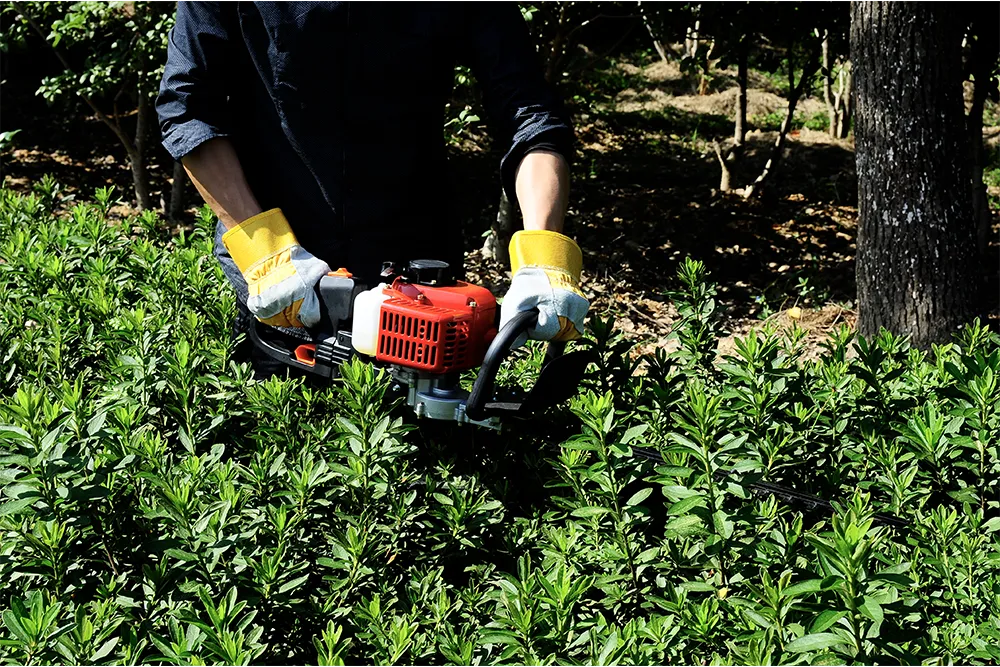
A cortasetos Da forma rápidamente a los arbustos y setos. Los modelos a gasolina son los más potentes para ramas gruesas y setos largos, pero las podadoras eléctricas son ideales para jardines más pequeños con fácil acceso a enchufes.
A cortasetos sin cable Es justo lo que busca la mayoría de la gente. Sin cables, sin gasolina, solo tienes que cogerlo y listo.
Las hojas suelen medir entre 18 y 24 pulgadas de largo. Las hojas de doble acción ayudan a reducir la vibración y permiten realizar cortes más rápidos y limpios que las de acción simple.
Si tienes setos maduros, busca una capacidad de corte de al menos 3/4 de pulgada. La autonomía de la batería varía: puede oscilar entre 30 minutos y más de una hora, dependiendo de la batería y de lo que vayas a podar.
Motosierras para trabajos de corte exigentes
Las motosierras se encargan de los trabajos pesados: ramas gruesas y troncos que nada más puede cortar. Las motosierras de gasolina ofrecen la mayor potencia para trabajos exigentes, como cortar leña o talar ramas grandes, pero requieren un mantenimiento regular y la preparación de la mezcla de combustible.
Las motosierras a batería han mejorado muchísimo. Arrancan al instante y son más silenciosas que las de gasolina. La mayoría de las motosierras inalámbricas pueden cortar ramas de hasta 10 pulgadas de grosor.
La longitud de la barra indica el tamaño de la madera que puede cortar la sierra. Para la mayoría de los propietarios, una barra de entre 12 y 16 pulgadas es suficiente para los trabajos habituales del jardín.
Las características de seguridad son importantes: los frenos de cadena y las cadenas de bajo retroceso ayudan a prevenir accidentes.
Sierras de pértiga para ramas altas
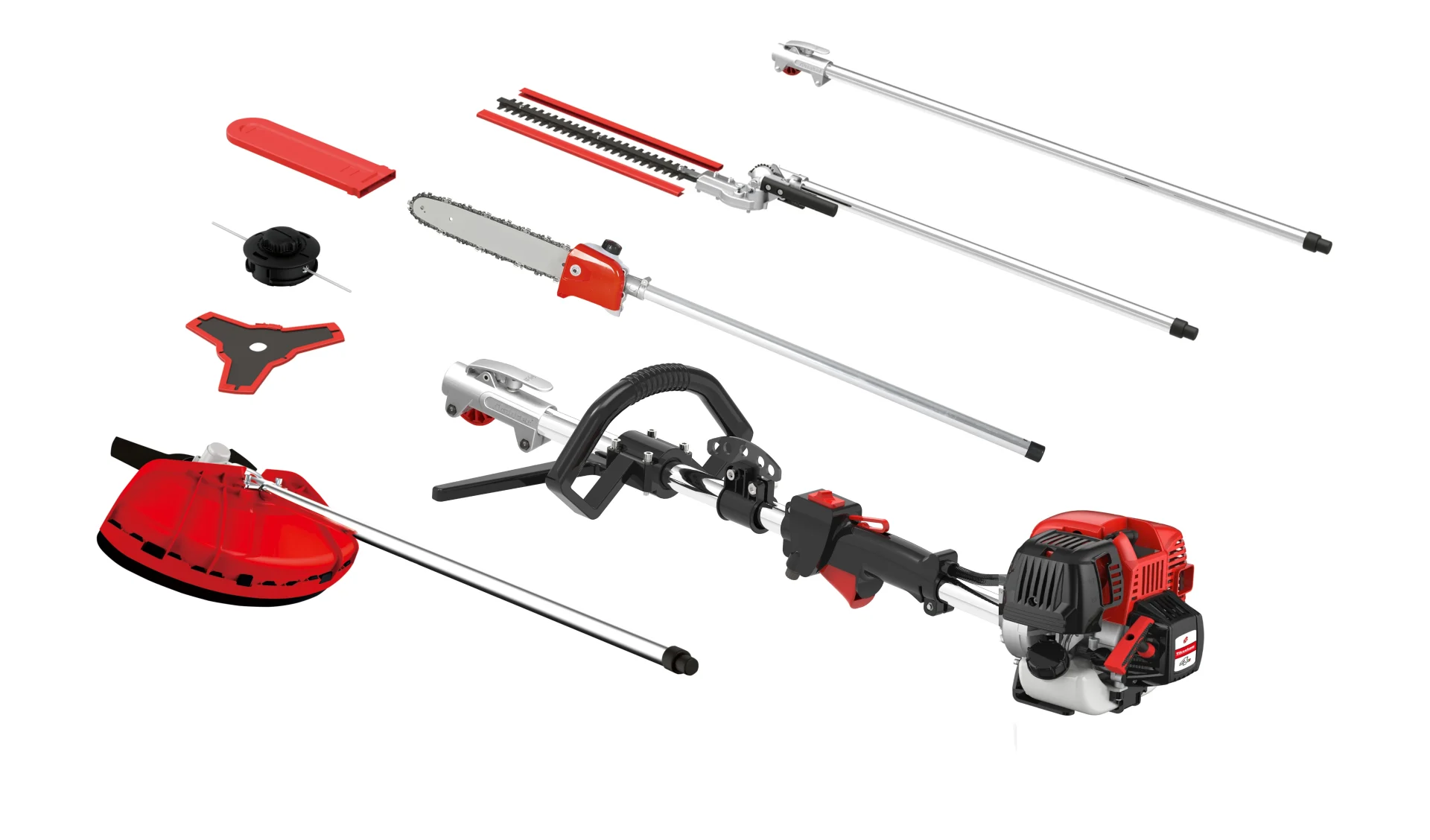
A sierra de pértiga Te permite alcanzar ramas situadas a una altura de entre 10 y 15 pies, sin necesidad de escalera. Estas herramientas incorporan una pequeña motosierra o una cuchilla de poda en un palo extensible.
La mayoría de los modelos se pueden ajustar entre 6 y 12 pies. Las sierras de pértiga eléctricas y a batería son más ligeras que las de gasolina, lo que hace que resulten menos cansadas para los brazos a la hora de trabajar por encima de la cabeza.
Las sierras de pértiga a gasolina cortan más rápido las ramas gruesas, pero, sinceramente, son más pesadas y pueden dejarte agotado. Stihl fabrica sierras de pértiga fiables tanto para profesionales como para particulares.
Los cabezales de corte giratorios te ayudan a conseguir el ángulo adecuado, y un lubricador automático garantiza el buen funcionamiento de la cadena.
Cómo mejorar tus trabajos de paisajismo y jardinería
El paisajismo va más allá de los conceptos básicos del cuidado del césped. Los cultivadores y las motocultoras preparan el suelo, herramientas de jardinería especializadas se encargan de tareas específicas, y las hidrolimpiadoras mantienen todo impecable.
Cultivadores y motocultores
Un cultivador afloja la tierra entre las hileras y ayuda a eliminar las malas hierbas de los parterres. Una motocultivadora excava más profundamente, preparando nuevos parterres y mezclando abono o enmiendas.
Titantec tiene cultivadores y motocultores diseñados para particulares. Tener uno te ahorra tener que contratar a jardineros o alquilar maquinaria una y otra vez.
Las mini motocultivadoras son perfectas para espacios reducidos y jardines pequeños, son fáciles de guardar y no dañan las plantas ya existentes. Las motocultivadoras más grandes son más adecuadas para labrar terreno virgen o preparar grandes superficies.
Características clave que hay que tener en cuenta:
- Ajuste de la profundidad de las púas así que tú decides hasta dónde excavar
- Ajustes de anchura que se adapte al volumen de tu trabajo
- Potencia del motor para trabajar suelos duros o con alto contenido en arcilla
Si compras una motocultivadora una vez, la amortizarás tras un par de proyectos.
Cómo elegir herramientas de jardín para el paisajismo
Las herramientas de jardinería adecuadas agilizan los trabajos de jardinería y ofrecen mejores resultados. La gama de productos de Titantec da respuesta a los retos más habituales de los propietarios de viviendas.
Algunos aspectos fundamentales:
- Cortasetos para dar forma y garantizar la privacidad
- Cortabordes para conseguir líneas definidas entre el césped y los parterres
- Desbrozadoras para el césped donde las cortadoras no llegan
Las herramientas eléctricas requieren menos mantenimiento y evitan los problemas relacionados con el combustible. Las que funcionan con batería son portátiles y, aun así, lo suficientemente potentes para la mayoría de los jardines.
Cada proyecto requiere herramientas diferentes, dependiendo del tamaño de tu jardín y de lo que vayas a plantar. ¿Tienes un jardín pequeño con solo unos pocos setos? Necesitarás menos herramientas que alguien que tenga jardines extensos y muchos elementos arquitectónicos.
Hidrolimpiadoras para la limpieza de exteriores
Las hidrolimpiadoras eliminan la suciedad, el moho y la mugre de las superficies exteriores con agua a alta presión. Terrazas, entradas de garaje, revestimientos exteriores, vallas, muebles de jardín… Todo queda limpio mucho más rápido que frotando a mano.
Una hidrolimpiadora eléctrica es adecuada para la mayoría de los hogares. Solo tienes que enchufarla y ya está lista para usar; no hay riesgo de dañar las superficies si utilizas el ajuste adecuado.
Los ajustes de presión regulables te permiten alternar entre:
- Trabajos ligeros, como lavar coches y ventanas
- Producto para terrazas y vallas
- Elevado para el hormigón y el ladrillo
Las hidrolimpiadoras Titantec utilizan componentes fiables y cumplen con los estándares de calidad. Una limpieza regular evita que el moho y las inclemencias del tiempo dañen tu inversión.
Guarda tu hidrolimpiadora en un lugar seguro durante el invierno. Prepararla para el invierno protege su interior contra las heladas y contribuye a que dure más tiempo.
Comprender las tecnologías de las baterías y los motores
Las herramientas eléctricas modernas para exteriores utilizan baterías de iones de litio y motores sin escobillas para ofrecerte un rendimiento similar al de un coche de gasolina sin los problemas que suponen las emisiones ni el mantenimiento constante.
Las baterías de iones de litio y sus ventajas
Las baterías de iones de litio son hoy en día el estándar para las herramientas sin cable. Son más ligeras, duran más y no pierden la carga por el simple hecho de estar sin usar, como ocurría con las antiguas baterías de níquel-cadmio.
Disfrutarás de la máxima potencia durante toda la carga: tu recortadora de hilo o el soplador no bajará de velocidad hasta que la batería esté casi agotada. Eso significa que podrás terminar de limpiar el jardín sin molestas caídas de rendimiento.
Los tiempos de recarga suelen oscilar entre 30 minutos y dos horas, dependiendo del tamaño de la batería. Las baterías más grandes (40 V-80 V) son ideales para trabajos exigentes, como la maleza densa o las hojas mojadas. La mayoría de las marcas ofrecen una gama de tamaños de batería para que puedas elegir lo que más te convenga: mayor autonomía o menor peso.
Motores sin escobillas frente a motores convencionales
Los motores sin escobillas eliminan la fricción y el calor de los motores tradicionales con escobillas. Esto se traduce en una mayor vida útil de la herramienta y una mayor eficiencia.
Con cada carga de batería se consigue un mayor rendimiento; en ocasiones, entre un 25 y un 50% más que con los modelos con escobillas. Además, nunca tendrás que preocuparte por cambiar las escobillas de carbón.
Los motores sin escobillas utilizan controles electrónicos para ajustar la potencia sobre la marcha. Por ejemplo, un soplador de hojas puede aumentar la velocidad para eliminar residuos pesados y, a continuación, reducirla para ahorrar batería durante trabajos más ligeros.
Sinceramente, una vez que pruebas los motores sin escobillas, es difícil volver atrás.
Optimización del rendimiento y la vida útil de las herramientas
La capacidad de la batería, medida en amperios-hora (Ah), indica cuánto tiempo puede funcionar una herramienta antes de tener que recargarla. Una batería de 4,0 Ah, por ejemplo, suele durar aproximadamente el doble que una de 2,0 Ah cuando se utiliza la misma herramienta en condiciones similares.
Los propietarios deberían plantearse bien el tamaño de la batería en función de su propiedad. Para una parcela de un cuarto de acre, probablemente te bastará con baterías de entre 2,0 y 4,0 Ah. Si tienes más de un acre, lo más recomendable es una de 5,0 Ah o más. ¿Mantener una batería de repuesto cargada? Eso te ahorrará esas molestas interrupciones en el trabajo.
Sin embargo, el rendimiento de las herramientas no depende únicamente de la batería. Es importante tener buenos hábitos de mantenimiento. Limpiar las rejillas de ventilación ayuda a que el motor se mantenga frío, y guardar las baterías a temperatura ambiente hace que duren más tiempo. Con un poco de cuidado, la mayoría de las baterías de iones de litio conservan aproximadamente el 80% de su capacidad original tras 500 ciclos de carga.
Las mejores marcas y aspectos a tener en cuenta a la hora de comprar
Un puñado de grandes marcas marcan realmente la pauta en el sector de la maquinaria motorizada para exteriores. EGO Power+ está a la vanguardia en tecnología de baterías, mientras que STIHL y Toro se han labrado una sólida reputación por su fiabilidad y rendimiento en varias categorías.
Resumen de las principales marcas de herramientas eléctricas
El mercado de la maquinaria motriz para exteriores cuenta con varios fabricantes de confianza en las que la gente confía año tras año. STIHL es conocida sobre todo por sus motosierras y herramientas manuales, y a los profesionales les encantan por su durabilidad. Toro ofrece una amplia gama de cortacéspedes y equipos para la retirada de nieve que se adaptan a la mayoría de las necesidades residenciales.
EGO Power+ se centra en las herramientas a batería, ofreciendo a los usuarios opciones inalámbricas en lugar de las de gasolina. Sus baterías son compatibles con todos los productos, lo cual resulta muy práctico. Tanto Honda como Husqvarna cuentan con una amplia gama de productos, que incluye tractores cortacésped y generadores portátiles.
Puntos fuertes clave de la marca:
- STIHL: Motosierras y desbrozadoras de uso profesional
- Toro: Cortacéspedes y quitanieves
- EGO Power+: Equipos para exteriores que funcionan con batería
- Honda: Generadores portátiles y maquinaria para el cuidado del jardín
- Husqvarna: Herramientas versátiles para uso doméstico y comercial
EGO Power+ y la innovación en el sector industrial
EGO Power+ revolucionó el sector al demostrar que la tecnología de las baterías podía competir de igual a igual con la energía de gasolina. Sus baterías Arc Lithium de 56 voltios ofrecen una mayor autonomía y se cargan más rápido que la mayoría de las baterías estándar.
Su gama incluye cortacéspedes, desbrozadoras, sopladores y quitanieves, todos ellos con la misma plataforma de baterías. Esto supone un ahorro si necesitas más de una herramienta. Los equipos de EGO no producen emisiones y requieren menos mantenimiento que los de gasolina.
Los competidores se han visto obligados a mejorar su oferta de herramientas sin cable debido a que EGO y otras marcas están impulsando la innovación en el ámbito de las baterías. Hoy en día, muchos propietarios optan por herramientas a batería porque son más fáciles de usar y más respetuosas con el medio ambiente.
Opiniones y comentarios de los consumidores
Consumer Reports somete cada año a rigurosas pruebas a cientos de herramientas eléctricas para exteriores. Adquieren los productos a través de los canales habituales de venta al por menor y realizan pruebas prácticas de rendimiento. Miles de miembros comparten datos reales sobre fiabilidad, por lo que podrás conocer la información de primera mano.
Las reseñas abarcan la potencia de corte, la duración de la batería y la facilidad de uso de cada herramienta. Si eres socio de Consumer Reports, tendrás acceso a valoraciones detalladas de quitanieves, cortacéspedes, desbrozadoras, sopladores, motosierras y hidrolimpiadoras.
Este tipo de pruebas te ayudan a averiguar qué marcas merecen realmente la inversión. Los datos sobre fiabilidad resultan especialmente útiles si quieres que tu equipamiento te dure más de una o dos temporadas.
Preguntas frecuentes
¿Qué marcas de herramientas eléctricas para exteriores se consideran las más fiables para los propietarios de viviendas?
Siempre hay unas cuantas marcas que salen a colación cuando se habla de fiabilidad. Milwaukee, DeWalt y Makita obtienen muy buenas valoraciones por sus herramientas a batería y por la calidad de su fabricación. Toro y Honda son las favoritas en cuanto a cortacéspedes de gasolina y otros equipos.
EGO lidera el mercado de los productos a batería, con un rendimiento sólido en toda su gama. Husqvarna también ofrece opciones fiables, tanto de gasolina como a batería. Las encuestas indican que estas marcas suelen necesitar menos reparaciones y duran más que las alternativas más baratas.
¿En qué se diferencian las herramientas eléctricas para exteriores de Husqvarna y STIHL a la hora de realizar las tareas habituales de jardinería?
STIHL es una marca de primer nivel en motosierras profesionales y herramientas manuales, como recortadoras y sopladores. Se centra en la potencia y la durabilidad para trabajos exigentes. Husqvarna, por su parte, ofrece una gama más amplia, que incluye cortacéspedes robóticos y equipos más adecuados para particulares.
Ambas marcas se desenvuelven bien en las tareas habituales de jardinería. STIHL suele ser más cara, pero mantiene su valor. Husqvarna ofrece más opciones de herramientas a batería y una amplia gama de precios.
Si solo te dedicas al mantenimiento habitual del césped, ambas marcas son opciones muy válidas. Los distribuidores de STIHL suelen ofrecer una mejor asistencia local, lo que puede ser de gran ayuda.
¿Son las opciones a batería, como EGO, lo suficientemente potentes como para sustituir a las herramientas de gasolina para la mayoría de los propietarios?
Las herramientas a batería han evolucionado mucho. Para la mayoría de los jardines particulares, están a la altura de las circunstancias. El sistema de 56 voltios de EGO, por ejemplo, ofrece potencia más que suficiente para céspedes de hasta medio acre. Sus cortacéspedes, sopladores y recortadoras son perfectos para el corte habitual del césped y la limpieza de hojas.
Las herramientas a batería son la mejor opción para parcelas de menos de un acre con una vegetación normal. Arrancan al instante, requieren menos mantenimiento y no producen emisiones. Por lo general, ofrecen una autonomía de entre 30 y 60 minutos, dependiendo de la batería y de la herramienta.
Si tienes un jardín muy grande o tienes que realizar trabajos de desbroce realmente exigentes, puede que las herramientas de gasolina sigan siendo una buena opción. Sin embargo, la tecnología de las baterías no deja de mejorar —mayor autonomía, carga más rápida—, por lo que merece la pena estar atento a esta evolución.
¿Cuáles son las características más importantes que hay que tener en cuenta a la hora de elegir un cortacésped para un jardín particular?
La anchura de corte es un factor importante. Un cortacésped con una plataforma de entre 20 y 22 pulgadas es ideal para jardines de menos de un cuarto de acre. Si tu propiedad mide más de medio acre, quizá te convenga un cortacésped autopropulsado o uno manual más ancho.
El sistema de tracción es importante, sobre todo en pendientes o terrenos irregulares. Los cortacéspedes autopropulsados te ahorran esfuerzo en las pendientes y en jardines más grandes. Ajustable altura de corte resulta muy útil para distintos tipos de césped y para las diferentes estaciones del año.
Piensa en cómo quieres gestionar los restos de corte del césped. El mulching devuelve nutrientes al césped, mientras que recogerlos en sacos es mejor para el césped muy alto. La calidad de fabricación también es fundamental—cubiertas de acero durar más que los de plástico.
¿Qué marcas de cortacéspedes se suelen recomendar evitar debido a problemas de fiabilidad o de servicio técnico?
Algunas marcas que se venden en las grandes superficies simplemente no dan la talla. Murray y Yard Machines reciben muchas quejas por problemas con el motor y plataformas poco resistentes. Además, suelen carecer de buenas redes de servicio técnico.
Los cortacéspedes Troy-Bilt son un poco impredecibles. Algunos modelos funcionan bien, pero otros se estropean pronto. La calidad de Craftsman bajó tras un cambio de propietarios, aunque los modelos más nuevos están mejorando. Poulan y Poulan Pro suelen quedar entre los últimos puestos en las encuestas de satisfacción.
Una advertencia sobre los cortacéspedes eléctricos económicos de marcas desconocidas: suelen utilizar baterías y motores de baja calidad. Puede que funcionen al principio, pero la mayoría no aguantará más allá del tercer año.
¿Qué herramientas eléctricas utilizan sobre todo los profesionales del paisajismo para el mantenimiento habitual del césped y el jardín?
Los paisajistas profesionales confían ciegamente en sus desbrozadoras de calidad profesional. STIHL y Echo siguen siendo las marcas favoritas, sobre todo porque funcionan a la perfección, día tras día.
Los sopladores de mochila de estas marcas facilitan enormemente la limpieza, incluso cuando los equipos tienen que desplazarse de una propiedad a otra. Es habitual ver a equipos profesionales utilizando cortacéspedes con conductor a pie de Toro, Scag o Exmark en jardines residenciales.
Los cortacéspedes de giro cero agilizan mucho el trabajo en los terrenos más grandes. Las podadoras de setos y las recortadoras de bordes ayudan a dar un acabado perfecto, para que nada quede descuidado.
En la mayoría de los casos, los profesionales siguen apostando por las herramientas a gasolina por su mayor autonomía y su potencia constante. Aun así, las herramientas a batería se están abriendo paso poco a poco, sobre todo en aquellos casos en los que el ruido o las emisiones son un factor importante.
¿Quiere saber más sobre nuestros productos?
Ver todos los productos