Cortacésped de gas frente a cortacésped eléctrico: Comparaciones clave para cada jardín
Saltar a la sección
Un cortacésped de gasolina es ideal para jardines grandes o con terreno irregular, ya que su motor proporciona una potencia constante, mientras que un cortacésped eléctrico es adecuado para jardines pequeños o medianos, ya que es más silencioso, no produce emisiones de escape y requiere menos mantenimiento. La elección entre gasolina y electricidad depende del tamaño del jardín, los límites de ruido, mantenimiento, y el coste.
Descubrirás qué son los cortacésped eléctricos y de gasolina, en qué se diferencian en cuanto a potencia, autonomía, nivel de ruido y emisiones, y qué factores son los más importantes para tu césped. También verás cuándo conviene optar por un cortacésped eléctrico a batería o con cable, y cuándo un cortacésped de gasolina sigue siendo la mejor opción para tu jardín y tu horario.
¿Qué son los cortacéspedes eléctricos?
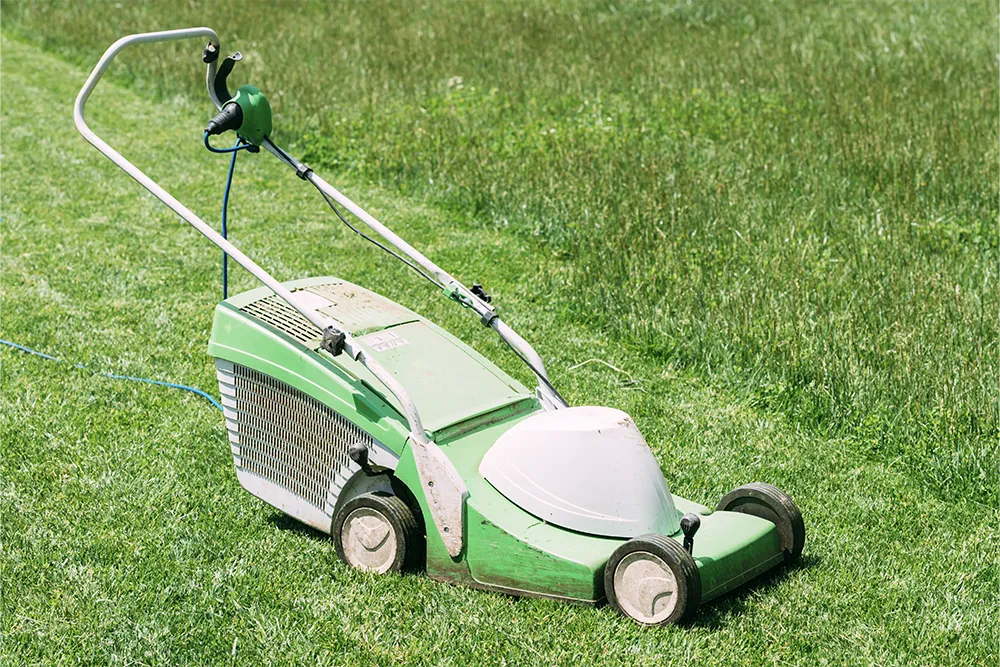
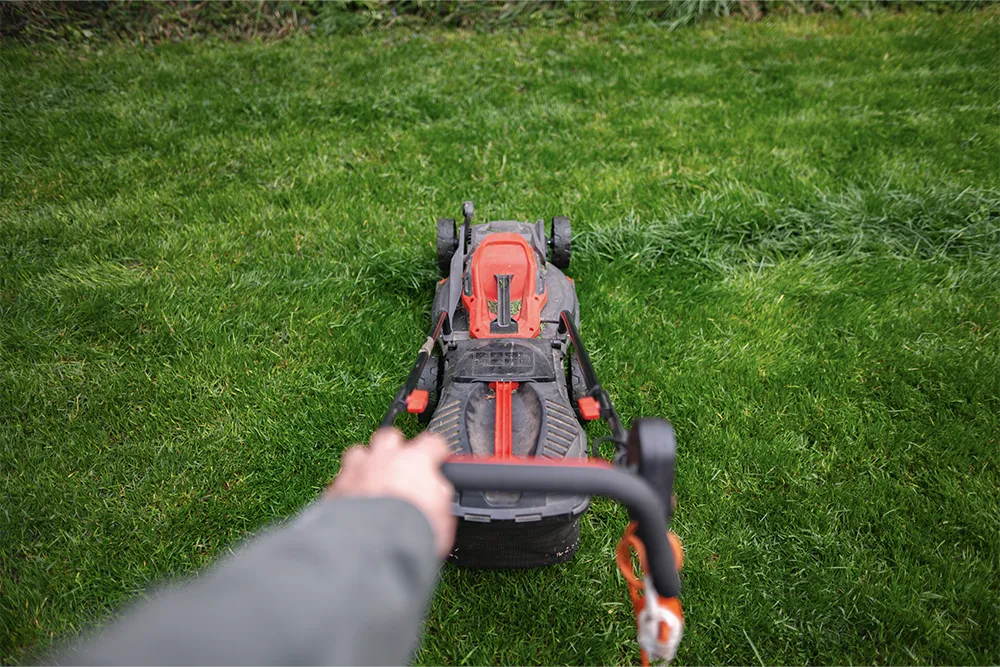
Un cortacésped eléctrico es una máquina para cortar el césped que funciona con un motor eléctrico en lugar de con un motor de gasolina. Se pone en marcha mediante una batería recargable o un cable de alimentación conectado a una toma de corriente. Como el motor no quema combustible, no produce gases de escape durante su uso.
Ventajas de los cortacéspedes eléctricos
- Menor nivel de ruido porque los motores eléctricos funcionan sin combustión; en la práctica, esto supone menos molestias para ti y para tus vecinos.
- Menores necesidades de mantenimiento ya que no hay que realizar el mantenimiento del aceite, las bujías ni el sistema de combustible.
- Sin emisiones directas durante su funcionamiento, lo cual es importante si vives en zonas donde existen restricciones sobre el uso de herramientas a gas.
Inconvenientes de los cortacéspedes eléctricos
- Tiempo de ejecución limitado porque las baterías hay que recargarlas, lo que puede interrumpir tu trabajo en jardines más grandes.
- Mayor coste inicial en muchos modelos, sobre todo en aquellos que cuentan con baterías de mayor capacidad.
- Sustitución de la batería cada pocos años, lo que suele suponer un coste de $100–$300, lo que se suma a los costes de propiedad a largo plazo.
Tipos de cortacéspedes eléctricos
| Tipo | Fuente de energía | Qué significa esto para ti |
| Con cable | Toma de pared | Autonomía ilimitada, pero alcance limitado |
| Pulsación de la batería | Batería recargable | Menor peso, empuje manual |
| Autopropulsado por batería | Batería recargable | Menos esfuerzo en pendientes o en césped más tupido |
| Conducción eléctrica | Batería de gran capacidad | Cubre más de 1 acre sin necesidad de combustible |
¿Qué son los cortacéspedes de gasolina?
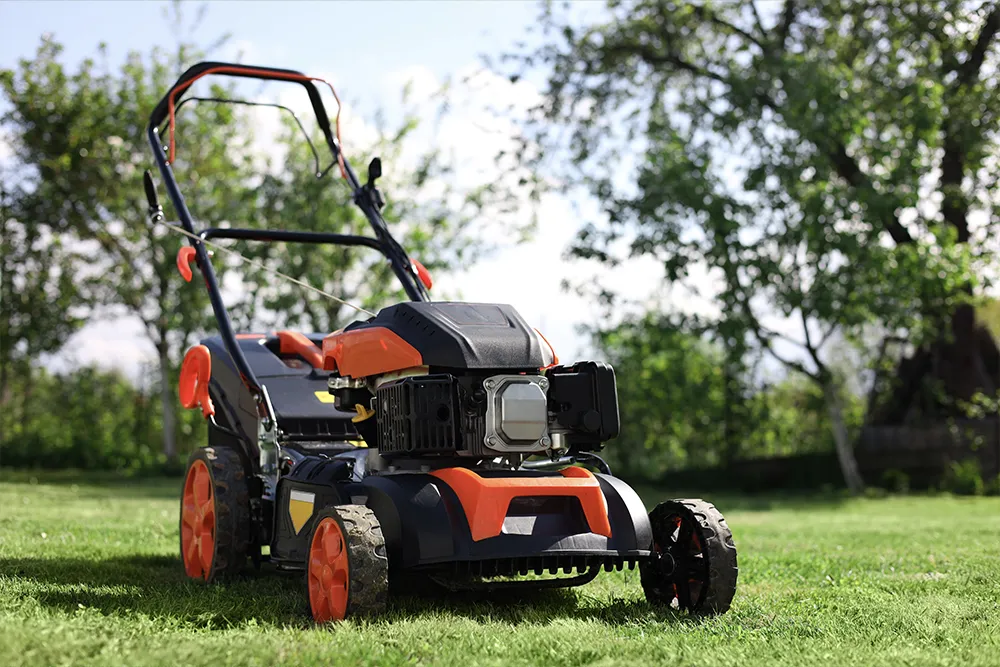
Un cortacésped de gasolina es una máquina para cortar el césped que funciona con un pequeño motor de gasolina que hace girar una cuchilla metálica situada debajo de la plataforma de corte. El motor quema combustible mediante un proceso de combustión interna, lo que genera una velocidad constante de la cuchilla. Para ti, esto significa que el cortacésped puede funcionar mientras quede combustible en el depósito.
Ventajas de los cortacéspedes de gasolina
- Gran autonomía porque rellenar el depósito de combustible solo lleva unos minutos, no horas. Esto te permite segar sin interrupciones en céspedes más grandes.
- Potencia de corte constante gracias a la potencia fija del motor, lo que ayuda a mantener la velocidad de las cuchillas en césped denso o húmedo.
- Menor coste inicial en comparación con muchos modelos de baterías de tamaño similar.
Inconvenientes de los cortacéspedes de gasolina
- Mantenimiento periódico como los cambios de aceite, la revisión de las bujías y el mantenimiento del depósito de combustible. Para ti, esto supone una inversión anual de tiempo y dinero.
- Niveles de ruido más elevados, a menudo por encima de los 85 decibelios en el oído, lo que puede requerir el uso de protección auditiva.
- Emisiones procedentes de la combustión de la gasolina, que afectan a la calidad del aire durante su uso.
Tipos de cortacéspedes de gasolina
- Cortacéspedes manuales: Tú eres quien proporciona la fuerza necesaria para mover el cortacésped.
- Cortacéspedes autopropulsados: El motor impulsa las ruedas, lo que reduce el esfuerzo físico.
- Cortacéspedes autopropulsados: Te sientas y conduces; ideal para fincas grandes.
- Cortacéspedes de giro cero: La dirección de doble palanca permite realizar giros cerrados, lo que reduce el tiempo de siega en céspedes amplios.
Cortacésped eléctrico frente a cortacésped de gasolina: ¿cuáles son las diferencias principales?
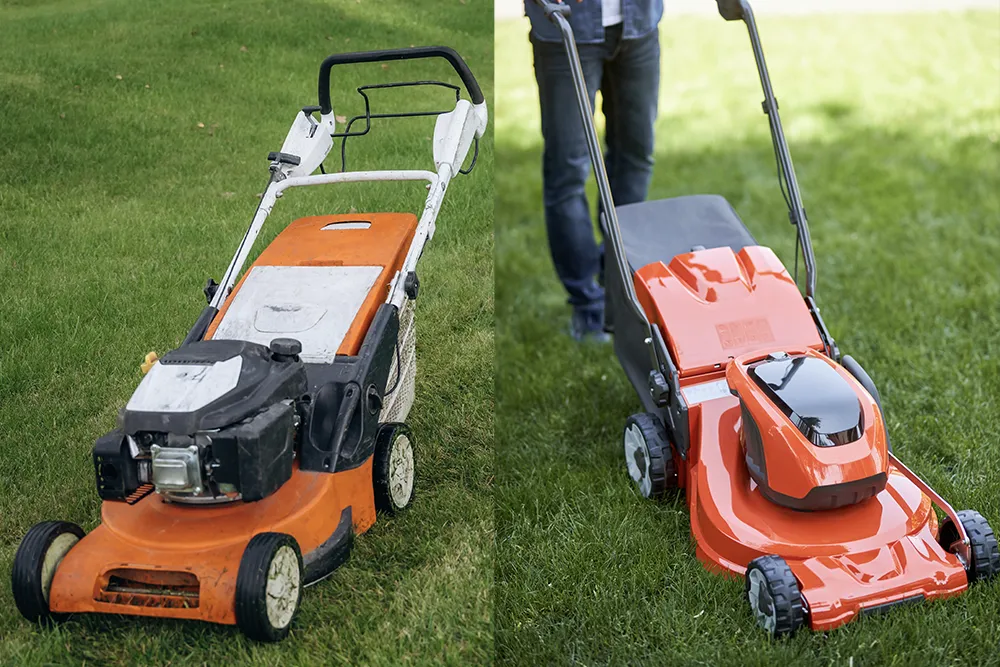
Un cortacésped eléctrico funciona con batería o con cable de alimentación, mientras que uno de gasolina utiliza un pequeño motor de gasolina. Las principales diferencias influyen en la calidad del corte, la sensación al utilizarlo, el precio y el impacto que tiene en tu jardín y en el medio ambiente.
Rendimiento y capacidad de corte
Las cortadoras de césped a gasolina generan la potencia de corte mediante un motor de combustión que hace girar la cuchilla con un par elevado. Como el motor no depende de la energía almacenada en una batería, puedes cortar césped espeso o húmedo sin tener que detenerte. Para ti, esto significa menos ralentizaciones en céspedes muy crecidos o terrenos irregulares.
Los cortacéspedes eléctricos utilizan un motor eléctrico alimentado por una batería. Muchos modelos modernos tienen una autonomía de entre 45 y 50 minutos por carga, lo que permite cubrir aproximadamente ¼ de acre. En la práctica, esto resulta suficiente para la mayoría de los jardines particulares. Los modelos de gasolina siguen obteniendo mejores resultados en cuanto a uniformidad de corte y recogida en bolsa, mientras que los modelos eléctricos están a la altura de los de gasolina en lo que respecta al mulching y la descarga lateral.
Comodidad y experiencia del usuario
Los cortacéspedes eléctricos pesan menos porque no tienen depósito de combustible ni bloque del motor. Al ser más ligeros, se reduce la fuerza que hay que ejercer para empujarlos, sobre todo al girar. La mayoría de los modelos eléctricos se ponen en marcha con un botón o una palanca en el manillar. Para ti, esto supone un menor esfuerzo en los brazos y los hombros durante las sesiones de corte más largas.
Los cortacéspedes de gasolina requieren un arranque manual, lo que puede exigir un esfuerzo repetido. Los modelos eléctricos autopropulsados también responden más rápido, ya que la velocidad del motor se ajusta al instante. Esta respuesta directa mejora el control al reducir la velocidad o cambiar de dirección en espacios reducidos.
Coste
Los cortacéspedes de gasolina suelen ser más baratos en el momento de la compra. Los modelos básicos de gasolina suelen tener un precio inferior al de los cortacéspedes a batería con plataformas de corte de tamaño similar. Este precio inicial más bajo resulta atractivo si lo que buscas es un corte básico sin funciones adicionales.
Los cortacéspedes eléctricos son más caros al principio, ya que las baterías de iones de litio y los cargadores suponen un gasto adicional. Las baterías de recambio suelen costar entre $100 y $300 cada pocos años. Con el tiempo, tener un cortacésped eléctrico puede resultar más económico, ya que te ahorras el combustible, el aceite, las bujías y el mantenimiento del motor. Esto es especialmente importante si cortas el césped con regularidad y tienes pensado conservar el cortacésped durante muchas temporadas.
Mantenimiento y conservación
Las cortadoras de césped a gasolina necesitan un mantenimiento periódico. Debes repostar combustible, cambiar el aceite, sustituir las bujías y preparar el motor para su almacenamiento durante el invierno. Estas medidas evitan problemas de arranque y el desgaste del motor.
Los cortacéspedes eléctricos eliminan la mayoría de estas tareas. Solo hay que afilar la cuchilla y mantener la batería dentro de unos rangos de temperatura seguros. Las baterías no deben exponerse a calor ni frío extremos. En el uso diario, este mantenimiento más sencillo ahorra tiempo y reduce los días en los que no se puede cortar el césped debido a problemas con el motor.
Ruido e impacto medioambiental
Las cortadoras de césped de gasolina generan altos niveles de ruido, que a menudo superan los 85 decibelios en el oído. A este nivel, se recomienda utilizar protección auditiva. Para ti y para los vecinos cercanos, esto supone sesiones de corte más ruidosas y restricciones horarias más estrictas en algunas zonas.
Los cortacéspedes eléctricos son mucho más silenciosos. Las pruebas demuestran que obtienen resultados más del doble de buenos que los modelos de gasolina en cuanto a ruido, tanto en la posición del usuario como a 25 pies de distancia. Además, los modelos eléctricos no producen emisiones de escape durante su uso. En la práctica, esto reduce la contaminación atmosférica local y se ajusta a la normativa de las ciudades que restringen el uso de herramientas de jardín que funcionan con gasolina.
¿Qué hay que tener en cuenta a la hora de elegir el mejor cortacésped para tu jardín?
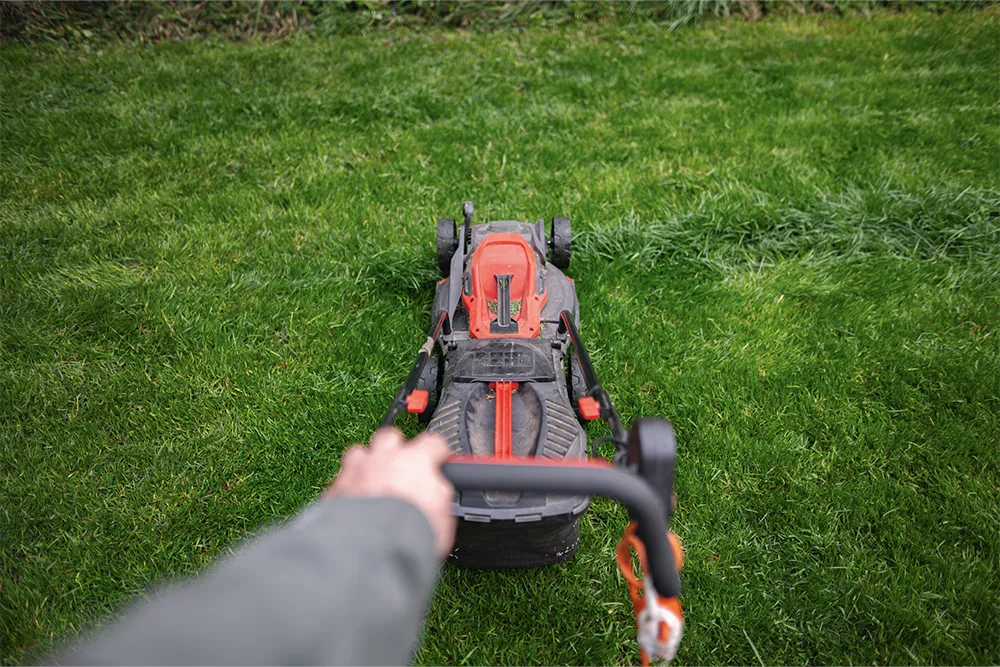
Un cortacésped es una máquina que corta el césped a una altura determinada como parte del mantenimiento rutinario cuidado del césped. Debes elegir el tipo de cortacésped que mejor se adapte al aspecto de tu jardín y a la frecuencia con la que lo cortas.
Elige en función de cómo se adaptan estos factores a tu jardín y a tus hábitos de corte:
- Lo primero es el tamaño del césped.
- El terreno y el tipo de césped influyen en los resultados del corte.
- El mantenimiento y el almacenamiento determinan la vida útil a largo plazo.
- El ruido y la normativa local pueden limitar tus opciones.
- Los costes iniciales y los costes recurrentes deben mantenerse equilibrados.
Para jardines grandes de más de medio acre, las cortadoras de césped de gasolina y las cortadoras autopropulsadas son la mejor opción, ya que sus motores funcionan mientras se les añada combustible. Para céspedes pequeños o medianos, las cortadoras eléctricas son una buena opción, ya que la mayoría de las baterías ofrecen entre 45 y 60 minutos de autonomía, lo que permite cortar aproximadamente un cuarto de acre.
Los motores de gasolina proporcionan una velocidad constante de las cuchillas en céspedes densos o húmedos, ya que funcionan con la energía de la combustión en lugar de con la de la batería. En la práctica, esto se traduce en menos zonas sin cortar en terrenos irregulares. Los cortacéspedes eléctricos funcionan bien en céspedes llanos y mantienen un corte uniforme cuando el césped está seco y bien recortado.
Las cortadoras de césped de gasolina requieren cambios de aceite, revisiones de las bujías y cuidados relacionados con el combustible. Las cortadoras eléctricas se saltan estos pasos, ya que utilizan motores herméticos y baterías recargables. Para ti, esto supone menos mantenimiento estacional y un almacenamiento más sencillo fuera de temporada.
Los cortacéspedes eléctricos producen niveles de ruido más bajos, a menudo por debajo de los 75 decibelios en el oído del usuario. Esto es importante si cortas el césped a primera hora de la mañana o si vives en una zona donde las herramientas de gasolina están sujetas a restricciones.
La tabla muestra los costes iniciales y recurrentes de dos tipos de cortacéspedes:
| Factor | Cortacésped de gasolina | Cortacésped eléctrico |
| Precio de compra | Más bajo, de media | Más alto debido a la batería |
| Gastos corrientes | Combustible y servicio | Sustitución de la batería |
¿Cuándo conviene elegir cortacéspedes eléctricos?
Deberías elegir un cortacésped eléctrico si tu césped tiene una superficie de aproximadamente 0,25 acres o menos. La mayoría de los modelos a batería tienen una autonomía de entre 45 y 50 minutos por carga, lo que es suficiente para una superficie de este tamaño, ya que el motor proporciona una potencia constante sin necesidad de repostar.
Los cortacéspedes eléctricos son ideales para zonas sensibles al ruido. Los datos de las pruebas muestran que los modelos eléctricos obtienen puntuaciones mucho más altas en cuanto a control del ruido que los modelos de gasolina, tanto a la altura del oído del usuario como a 25 pies de distancia.
También deberías optar por un modelo eléctrico si quieres un mantenimiento mínimo. Estos cortacéspedes no necesitan cambios de aceite, revisiones de bujías ni almacenamiento de combustible. Para ti, esto supone menos mantenimiento estacional y no tener que manipular gasolina.
Los cortacéspedes eléctricos son la mejor opción cuando la normativa local limita el uso de herramientas de gasolina. Algunos estados y ciudades restringen el uso de equipos de jardinería que funcionan con gasolina debido a las emisiones atmosféricas y al ruido que generan. En este caso, un cortacésped eléctrico cumple con la normativa por su propio diseño.
Los cortacéspedes eléctricos son adecuados para estas situaciones:
- Céspedes pequeños y medianos
- Viviendas con espacio de almacenamiento limitado
- Los usuarios que prefieren un manejo más ligero
- Jardines con césped bien cuidado y uniforme
¿Cuándo conviene elegir cortacéspedes de gasolina?
Un cortacésped de gasolina utiliza un de gasolina motor de combustión interna que hace girar una cuchilla de acero a una velocidad constante. Como el motor funciona mientras haya combustible, puedes cortar el césped sin tener que esperar a que se recarguen las baterías.
Opta por la gasolina cuando cortes céspedes grandes o trabajes durante largos periodos de tiempo. El depósito de gasolina se rellena en cuestión de minutos, lo que evita los límites de autonomía de entre 30 y 60 minutos habituales en los modelos a batería. En la práctica, esto significa que podrás terminar trabajos de gran envergadura de una sola vez.
El gas también sirve grueso, mojado, o en céspedes de crecimiento rápido. El motor mantiene la velocidad de las cuchillas bajo carga, ya que la combustión del combustible proporciona un par motor continuo. Para ti, esto se traduce en menos zonas sin cortar cuando el césped está alto o húmedo.
Elige una cortadora de gasolina si tu jardín tiene pendientes o terreno irregular. Los bastidores más pesados y las ruedas más grandes aportan mayor tracción, lo que ayuda a mantener estable la altura de la cuchilla en las cuestas.
El mantenimiento es importante. Las cortadoras de césped a gasolina requieren cambios de aceite, revisiones de las bujías y medidas para el almacenamiento del combustible. Si ya realizas el cuidado básico del motor, estas tareas resultan predecibles y económicas.
Situaciones habituales en las que el gas es una opción acertada:
- Céspedes de más de ¼ de acre
- No hay acceso a una toma de corriente exterior para recargar
- Uso comercial o frecuente
- Climas fríos, donde las baterías pierden capacidad
Preguntas frecuentes
¿Se están dejando de fabricar las cortadoras de césped de gasolina?
Sí, lo son.
Las cortadoras de césped a gasolina utilizan pequeños motores de gasolina que emiten gases de escape y generan niveles de ruido más elevados. Actualmente, varios estados y ciudades restringen o prohíben la venta de herramientas nuevas para exteriores que funcionan con gasolina, ya que estos motores producen contaminación atmosférica y, a menudo, superan los límites locales de ruido.
En la práctica, esto significa que aún puedes seguir utilizando un cortacésped de gasolina que ya tengas, pero es posible que, con el tiempo, tengas menos opciones a la hora de comprar uno nuevo. Los modelos eléctricos evitan estas limitaciones, ya que no producen gases de escape y funcionan con niveles de ruido más bajos.
¿Se pueden utilizar cortacéspedes eléctricos sobre césped mojado sin ningún problema?
No, no se pueden utilizar sobre césped mojado sin que surjan problemas.
Los cortacéspedes eléctricos utilizan motores eléctricos sellados y cableado aislado para reducir el riesgo de humedad. Aun así, los fabricantes desaconsejan cortar el césped mojado, ya que el agua puede provocar que el césped se apelmace y reducir la calidad del corte.
Para ti, esto significa que la hierba mojada puede sobrecargar el motor y reducir la autonomía de la batería. El riesgo para la seguridad tiene más que ver con la tracción y la calidad del corte que con la posibilidad de sufrir una descarga eléctrica, siempre que se sigan las instrucciones del fabricante.
¿Merece la pena invertir en cortacéspedes eléctricos?
Sí, lo son.
Los cortacéspedes eléctricos utilizan baterías recargables de iones de litio que alimentan un único motor para los sistemas de corte y de propulsión. Este diseño elimina la necesidad de cambios de aceite, bujías y almacenamiento de combustible, lo que reduce los costes de mantenimiento anuales.
A lo largo de varios años, el ahorro en combustible y mantenimiento puede compensar el mayor precio de compra. Para ti, esto es lo más importante si cortas el césped de un jardín de menos de medio acre y quieres menos ruido y menos tareas de mantenimiento.
¿Quiere saber más sobre nuestros productos?
Ver todos los productos