كيفية شحذ شفرات جزازة العشب: خطوات الخبراء للحصول على قص أنيق
الانتقال إلى القسم
يمكنك شحذ شفرات جزازة العشب عن طريق فصل التيار الكهربائي، وضبط الشفرة على الزاوية الصحيحة، ثم تلميع أو طحن حافة القطع حتى تعود إلى القطع بدقة مرة أخرى. كما يمكنك شحذ شفرات جزازة العشب عن طريق تثبيت الشفرة، والحفاظ على زاوية حافة القطع الأصلية التي تبلغ حوالي 30 درجة، وإزالة المعدن الباهت باستخدام مبرد أو مطحنة، وموازنة الشفرة قبل إعادة تركيبها.
ستتعلم متى يجب شحذ شفرات جزازة العشب، وكيفية اكتشاف الأضرار، وكيفية الشحذ سواء بإزالة الشفرة أو دون إزالتها. يتناول هذا الدليل أيضًا توازن الشفرة، وإجراءات السلامة، والأخطاء الشائعة التي تقصر من عمر الشفرة. والهدف واضح: مساعدتك على استعادة قصات نظيفة وحماية جزازة العشب وحديقتك.
لماذا تُعد شفرات جزازات العشب الحادة مهمة؟
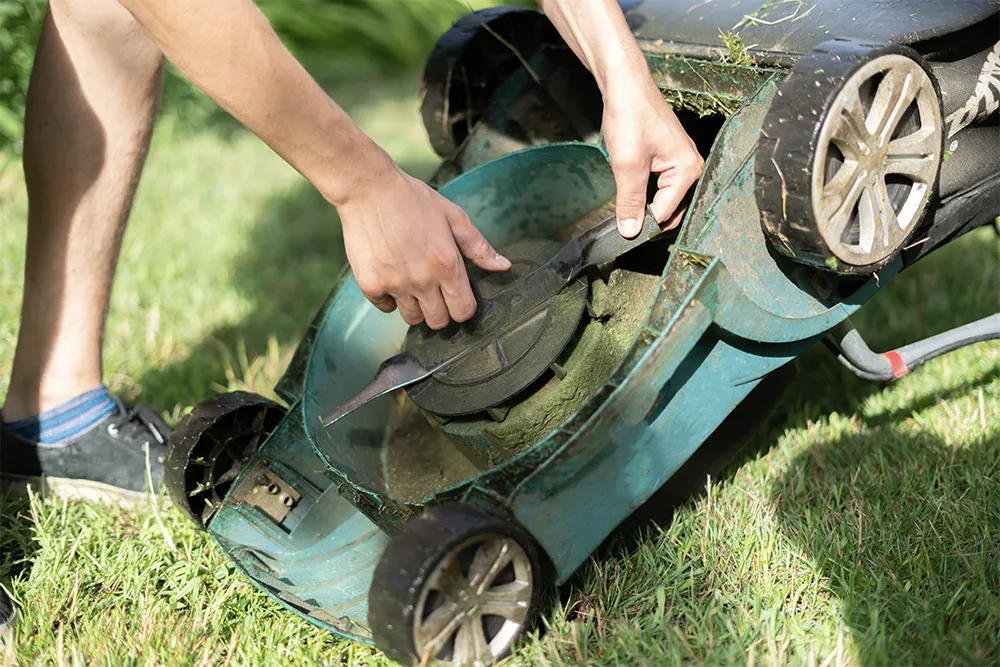
شحذ شفرات جزازة العشب تعيد الحافة الحادة النظيفة، بحيث يتم تقطيع العشب بدلاً من تمزيقه. وتلتئم الجروح النظيفة بشكل أسرع، مما يساعد حديقتك على البقاء صحية وخضراء.
يحتفظ الشفرة الحادة بزاوية مائلة تتراوح بين 30 و45 درجة، مما يتيح لها قص العشب بشكل متساوٍ في مسيرة واحدة. وهذا يمنع ظهور الأطراف البنية ويمنح الحديقة مظهرًا أكثر نعومة وتناسقًا.
الشفرات غير الحادة تمزق العشب بدلاً من قصه. وتفقد الأطراف الممزقة رطوبتها بسرعة، مما يزيد من خطر الإصابة بالأمراض، ويجعل العشب يبدو خفيفاً وغير متساوٍ.
تؤثر حدة الشفرات أيضًا على أداء آلة جز العشب. فالشفرات غير الحادة تتطلب مزيدًا من الطاقة وتكرار عمليات الجز، مما يزيد من استهلاك الوقود أو البطارية بنسبة تصل إلى 20–30%. ويؤدي الحفاظ على حدة الشفرات إلى توفير الطاقة وتحسين الكفاءة.
ما تراه على العشب
| حالة الشفرة | ماذا يحدث | ما الذي يعنيه ذلك بالنسبة لك |
| شارب | قطع نظيفة ومتساوية | تقليل ظهور الأطراف البنية وتقليل الإجهاد |
| باهت | حواف خشنة وممزقة | المزيد من التمريرات وتباين الألوان |
متى يجب شحذ شفرات جزازة العشب؟
يجب عليك شحذ حواف شفرات جزازة العشب عندما تنخفض جودة القص أو بعد عدد محدد من مرات الاستخدام.
افحص حديقتك بعد القص. إذا بدت أطراف العشب متفرقة أو متشققة أو بنية اللون في غضون يوم أو يومين، فهذا يعني أن شفرة القص غير حادة. فالعشب المتضرر يفقد كمية أكبر من الرطوبة، مما يسبب إجهادًا للنبات ويبطئ من تعافيه.
تتبع ساعات تشغيل جزازة العشب كلما أمكنك ذلك. تنصح معظم الشركات المصنعة بشحذ شفرات جزازة العشب كل 20–25 ساعة من الاستخدام. وبالنسبة للعديد من أصحاب المنازل، يعني ذلك مرة أو مرتين في الموسم، اعتمادًا على حجم الحديقة وتكرار القص.
افحص الشفرة نفسها. فوجود الشقوق أو الخدوش أو الحواف المستديرة يدل على تآكلها. وتؤدي هذه العيوب إلى تغيير زاوية القطع، مما يؤدي بدوره إلى قطع غير متساوية واهتزاز أثناء القص.
قم بشحذها في أقرب وقت ممكن بعد الاستخدام القاسي. فإذا اصطدمت بالصخور أو الجذور أو التربة، فقد تفقد الحافة حدتها بسرعة. عمليًّا، هذا يعني فحص الشفرة فور وقوع الحادثة، حتى لو كنت قد شحذتها مؤخرًا.
التخزين في مكان بارد أمر مهم. إذا بقيت آلة القص متوقفة طوال فصل الشتاء، فافحصها قبل القيام بأول عملية قص. فقد يؤدي الصدأ والبقايا القديمة إلى تبلد حافة الشفرة قبل أن تبدأ العمل حتى.
العلامات والإجراءات السريعة التي تشير إلى حاجتك إلى شحذ شفراتك:
| لافتة تلاحظها | ماذا تفعل |
| أطراف العشب المتآكلة | شحذ الشفرة |
| الشقوق الظاهرة | شحذ أو استبدال |
| تم استخدام 20–25 ساعة | شحذ الشفرة |
| بداية الموسم | افحصها، ثم اشحذها إذا لزم الأمر |
كيفية شحذ شفرات جزازة العشب: دليل تفصيلي خطوة بخطوة
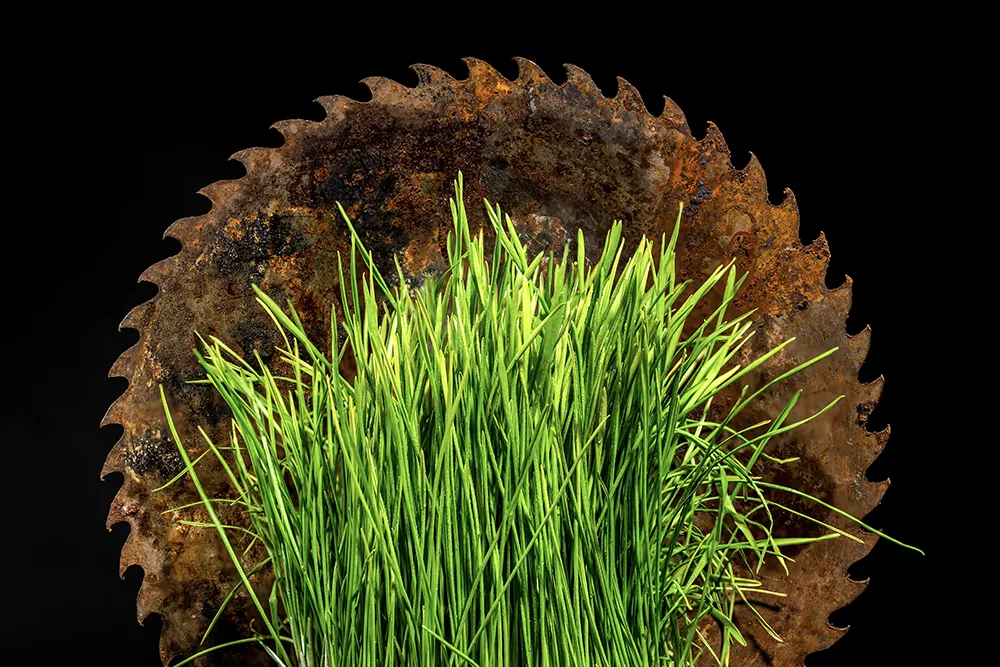
يؤدي شحذ شفرات جزازة العشب إلى استعادة حافة قطع نظيفة، وتقليل الضغط على المحرك، ومنع تمزق أطراف العشب. وتتضمن العملية التحضير الآمن، وإزالة الشفرات، والشحذ الدقيق، وفحص التوازن، وإعادة التركيب بشكل صحيح.
ما هي الأدوات التي أحتاجها؟
يتطلب شحذ شفرات جزازة العشب استخدام أدوات يدوية أساسية ومعدات السلامة. وتؤدي كل أداة غرضًا واضحًا، مما يساعدك على العمل بدقة وتجنب الإصابة.
أدوات لشحذ الشفرات:
| أداة | لماذا تحتاج إليه | ماذا يعني ذلك بالنسبة لك |
| قفازات العمل | حماية اليدين من الحواف الحادة | تتجنب التعرض للجروح أثناء التعامل مع الشفرات |
| نظارات السلامة | احمِ عينيك من برادة المعادن | تتجنب إصابة العين أثناء الشحذ |
| مجموعة مفاتيح ربط أو مجموعة مقابس | قم بفك مسامير الشفرة | يمكنك إزالة الشفرات دون إجبار الأجزاء |
| مبرد معدني أو مطحنة منضدية | تشكيل حافة القطع | تقوم باستعادة زاوية حافة متسقة |
| موازن الشفرة أو المسمار | التحقق من توازن الوزن | يمكنك منع حدوث الاهتزاز بعد إعادة التثبيت |
الخطوة 1: الاستعدادات المتعلقة بالسلامة قبل شحذ شفرات جزازة العشب
تقلل إجراءات السلامة من مخاطر التشغيل العرضي والجروح. ابدأ بفصل مصدر الطاقة. بالنسبة لآلات جز العشب التي تعمل بالغاز، اسحب سلك شمعة الإشعال. أما بالنسبة للطرازات الكهربائية، فافصل السلك من المقبس أو أزل البطارية.
قم بإمالة جزازة العشب بحيث يكون المكربن متجهًا لأعلى. يمنع هذا الوضع تسرب الوقود. قم بتشغيل فرامل التوقف في جزازات العشب ذات المقعد.
ارتدِ قفازات وواقيات للعين قبل لمس الشفرة. ثبِّت الشفرة في مكانها باستخدام قطعة خشب أثناء فك المسمار. وهذا يعني، بالنسبة للمستخدم، أن الشفرة لن تدور أثناء بذل القوة، مما يمنع إصابات المعصم.
الخطوة 2: إزالة الشفرات لشحذ شفرات جزازة العشب
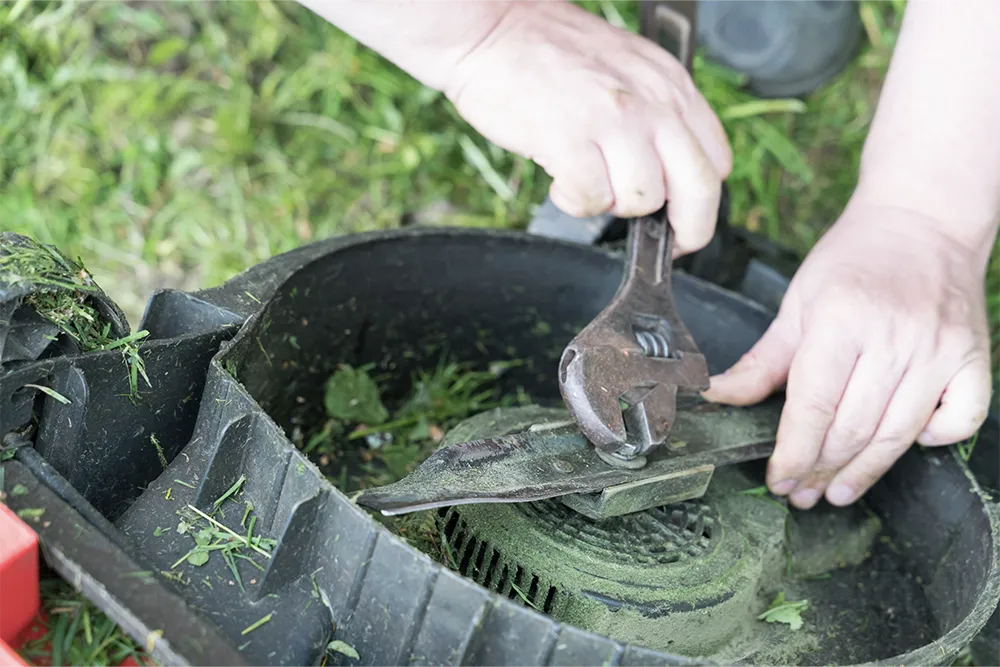
تتيح لك إزالة الشفرة شحذها بشكل متساوٍ وفحص الحافة بالكامل. استخدم مقبسًا من الحجم الصحيح لتجنب تقريب حافة رأس المسمار.
أدر المسمار عكس اتجاه عقارب الساعة مع تثبيت الشفرة. تستخدم بعض المسامير مادة تثبيت الخيوط، مما يزيد من المقاومة. استخدم ضغطًا ثابتًا بدلاً من القوة المفاجئة.
ضع علامة على الجانب العلوي للشفرة باستخدام قلم تحديد قبل إزالتها. في الواقع، يضمن لك ذلك إعادة تركيبها بنفس الاتجاه، مما يحافظ على دقة زاوية القطع.
ضع الشفرات التي تم إزالتها على سطح مستوٍ. احتفظ بالمسامير والغسالات معًا لتجنب الخلط بين الأجزاء أثناء إعادة التجميع.
الخطوة 3: تنظيف وفحص شفرات جزازة العشب قبل شحذها
يُزيل التنظيف الأوساخ التي تخفي الأضرار. اكشط تراكم العشب باستخدام سكين معجون أو فرشاة صلبة. امسح الشفرة بقطعة قماش لكشف المعدن العاري.
افحص الحافة للتأكد من عدم وجود شقوق أو كسور أو انحناءات. فالشقوق تقلل من جودة القطع. أما الكسور فتضعف الفولاذ وقد تتسبب في حدوث عطل عند السرعات العالية. وتؤدي الشفرات المنحنية إلى قطع غير متساوٍ.
تحقق من سماكة الشفرة بالقرب من الحافة. إذا كانت الحافة قد تآكلت وأصبحت رقيقة، فإن استبدال الشفرة يعد خيارًا أكثر أمانًا من شحذها. وهذا يعني بالنسبة للمستخدم تجنب كسر الشفرة أثناء الاستخدام.
لا تقم بشحذ سوى الشفرات التي لا تزال مستقيمة ومتينة.
الخطوة 4: شحذ شفرات جزازة العشب (طرق متعددة)
يتم الشحذ اليدوي باستخدام مبرد معدني لمتابعة زاوية الحافة التي تم تصنيعها بها، والتي تتراوح عادةً بين 30 و35 درجة. قم بتثبيت الشفرة في الملزمة. حرك المبرد في اتجاه واحد على طول الحافة. عد عدد الضربات للحفاظ على تساوي الجانبين.
تستخدم المطاحن المنضدية قرصًا دوارًا لتشكيل الحافة بشكل أسرع. استخدم ضغطًا خفيفًا وحركات قصيرة. يؤدي ارتفاع درجة الحرارة إلى تحول لون الفولاذ إلى اللون الأزرق، مما يضعف صلابته. بعبارة أخرى، يؤدي الإفراط في الحرارة إلى تقصير عمر الشفرة.
تعمل أدوات الشحذ التي تعمل بالثقب على توجيه الزاوية بفضل غلافها البلاستيكي. وهي تزيل كمية أقل من الفولاذ في كل مرّة، مما يقلل من احتمال حدوث أخطاء. اختر إحدى الطريقتين بناءً على أدواتك ومستوى راحتك.
الخطوة 5: موازنة شفرات جزازة العشب بعد شحذها
يضمن التوازن توزيع الوزن بالتساوي على جانبي الشفرة. وتؤدي الشفرة غير المتوازنة إلى حدوث اهتزازات لأن أحد الجانبين يدور بثقل أكبر من الجانب الآخر.
ضع الشفرة على جهاز موازنة الشفرات أو علقها على مسمار من خلال الفتحة المركزية. إذا انخفض أحد الجانبين، فهذا يعني أن وزن ذلك الجانب أكبر.
قم بإزالة كميات صغيرة من الفولاذ من الجانب الثقيل فقط. أعد فحص التوازن بعد كل تعديل.
بالنسبة للمستخدم، يعني التوازن السليم تشغيلًا أكثر سلاسة، وتآكلًا أقل للمحامل، ونمط قص أكثر دقة عبر العشب.
الخطوة 6: إعادة تركيب شفرات جزازة العشب بعد شحذها
أعد تركيب الشفرة بحيث يكون الجانب العلوي المُشار إليه متجهًا نحو هيكل آلة القص. قم بمحاذاة الفتحة المركزية مع المحور.
قم بلف المسمار يدويًّا أولاً لتجنب إتلاف الخيوط. ثم قم بإحكامه باستخدام مفتاح ربط وفقًا لقيمة عزم الدوران المحددة من قبل الشركة المصنعة، والتي غالبًا ما ترد في دليل الاستخدام. فالتطبيق الصحيح لعزم الدوران يضمن تثبيت الشفرة بشكل آمن دون إجهاد الخيوط.
أزل القطعة الخشبية وأعد توصيل مصدر الطاقة. أنزل جزازة العشب واختبرها على مساحة صغيرة من العشب.
استمع إلى الاهتزازات وتحقق من جودة القطع. فصوت التشغيل السلس والقطع المتساوي يؤكدان صحة التركيب.
كيفية شحذ شفرات جزازة العشب دون إزالتها؟
يمكنك شحذ شفرات جزازة العشب دون إزالتها عندما يصعب إزالتها بسبب ضيق الوقت أو الصدأ. تركز هذه الطريقة على السلامة، وزاوية الشفرة الصحيحة، والشحذ المتساوي حتى تتمكن الجزازة من القص بدقة.
إيجابيات وسلبيات شحذ الشفرة دون إزالتها
يُعد الشحذ في مكانه وسيلة لتوفير الجهد، لكن له حدوده.
المزايا
- عدم الحاجة إلى إزالة الشفرات يعني توفير الوقت وتقليل عدد الأدوات.
- تتجنب بذلك حدوث انغلاق البراغي بسبب الصدأ.
- وهو مناسب لإجراء التعديلات الروتينية على الحواف.
العيوب
- لا يمكنك موازنة الشفرة بشكل صحيح وهي مثبتة في مكانها.
- يؤدي محدودية الوصول إلى زيادة صعوبة التحكم في الزاوية.
- لا يصلح الشفرات الملتوية أو المتصدعة.
الأدوات والاحتياطات السلامة المتعلقة بشحذ الشفرة دون إزالتها
يعني «الشحذ في مكانه» أن الشفرة تظل مثبتة، لذا فإن السلامة تأتي في المقام الأول. يجب عليك قطع التيار الكهربائي تمامًا، لأن الشفرة قد تتحرك نتيجة ضغط المحرك أو التلامس الكهربائي.
الأدوات المطلوبة
| أداة | الغرض | ما أهمية ذلك |
| قفازات مقاومة للقطع | حماية اليدين | يقلل من الجروح في حالة انزلاق الشفرة |
| حماية العين | سلامة العين | يمنع دخول برادة المعادن |
| كتلة خشبية أو كماشة قفل | موقف الشفرة | يمنع دوران الشفرة |
| فرشاة سلكية أو مكشطة | التنظيف | يكشف عن أحدث ما توصلت إليه التكنولوجيا |
| مبرد معدني أو مطحنة زاوية | الشحذ | يستعيد زاوية الحافة |
افصل شمعة الإشعال في جزازات العشب التي تعمل بالبنزين، أو أزل البطارية في الطرازات الكهربائية. قم بإمالة الجزازة بحيث يكون مرشح الهواء متجهًا لأعلى. وهذا يمنع، عمليًّا، تسرب الزيت أو الوقود إلى المحرك.
عملية شحذ الشفرات خطوة بخطوة دون إزالتها
تتبع طريقة شحذ شفرة جزازة العشب دون إزالتها ترتيبًا محددًا للتحكم في الحركة والزاوية.
- قم بإمالة جزازة العشب على جانبها بحيث يكون المكربن متجهًا لأعلى. ثبّتها بقطعة خشب حتى لا تسقط.
- قم بتنظيف سطح الشفرة وشفرة القاطع باستخدام فرشاة سلكية. ويكشف المعدن النظيف عن الحافة البالية.
- ثبّت الشفرة بقطعة خشب مقابل سطح المنشار. فهذا يمنع دورانها أثناء العمل.
- قم بشحذ الجانب العلوي من الشفرة فقط عند الزاوية المائلة الموجودة، بزاوية تبلغ حوالي 45 درجة. التزم بزاوية الشحذ المحددة من قبل المصنع لأنها تساعد على رفع العشب.
- قم بالبرد أو الطحن من المركز إلى الخارج في اتجاه واحد. فهذا يمنع ظهور النتوءات.
- عدّ الضربات وكرر العملية على الطرف الآخر. فالضربات المتساوية تقلل من عدم التوازن.
بالنسبة للمستخدم، يعني ذلك اهتزازات أقل وقصًا أكثر استقرارًا. إذا لاحظت اهتزازًا قويًّا بعد القص، فتوقف وأزل الشفرة لإجراء عملية موازنة. هذه الطريقة مناسبة للصيانة البسيطة، وليست مخصصة للشفرات التالفة.
نصائح وتحذيرات عند شحذ شفرات جزازة العشب
يؤدي شحذ شفرات جزازة العشب إلى إزالة كميات صغيرة من المعدن من الحافة. احرص دائمًا على ارتداء واقي للعين وقفازات وأكمام طويلة لتجنب الشرارات أو الجروح.
افصل التيار الكهربائي قبل التعامل مع الشفرة — قم بفك شمعة الإشعال في حالة جزازات العشب التي تعمل بالبنزين، أو افصل/أزل البطارية في حالة الموديلات الكهربائية.
حافظ على زاوية الشطبة المصنعية (30–45 درجة) لتحقيق التوازن بين الحدة والمتانة. تجنب الإفراط في الشحذ؛ يجب أن تكون الشفرة مثل سكين الزبدة، وليس مثل شفرة الحلاقة.
قم بموازنة الشفرة بعد شحذها لمنع حدوث الاهتزازات التي قد تتسبب في تلف البراغي والمحامل.
لا تقم أبدًا بشحذ الشفرات التي بها شقوق أو انحناءات أو أجزاء مفقودة — استبدلها لتجنب كسرها أو التعرض للإصابة.
نصائح سريعة لشحذ الشفرات:
- قم بشحذ الطرفين بشكل متساوٍ
- قم بتبريد الشفرة إذا ارتفعت درجة حرارتها
- قم بإحكام ربط البراغي وفقًا للمواصفات الواردة في دليل آلة جز العشب
الأسئلة الشائعة
كيف يمكن معرفة ما إذا كانت شفرة جزازة العشب بحاجة إلى شحذ؟
يجب شحذ شفرة جزازة العشب عندما تصبح حافة القطع غير حادة أو مستديرة أو تظهر عليها شقوق واضحة.
الشفرة غير الحادة تمزق العشب بدلاً من قصه، مما يترك أطرافًا خشنة فور الانتهاء من القص. كما أنها قد تتسبب في قص غير متساوٍ أو تستلزم قص المنطقة نفسها مرتين، لأن القص بكفاءة يتطلب بذل مزيد من الجهد.
هل المطحنة الزاوية مناسبة لشحذ شفرات جزازة العشب؟
نعم، يمكن استخدام المطحنة الزاوية لشحذ شفرات جزازة العشب، لكن ذلك يتطلب تحكمًا دقيقًا.
إنها تزيل المعدن بسرعة، وتشحذ الشفرة في غضون دقائق مع الحفاظ على زاوية الشطبة الأصلية (30–45°) لضمان المتانة وقطع نظيفة. قد يؤدي الضغط المفرط إلى ارتفاع درجة حرارة الشفرة وتقليل صلابتها، لذا استخدم حركات قصيرة واترك فترات راحة للتبريد لحماية الحافة.
هل تريد معرفة المزيد عن منتجاتنا؟
عرض جميع المنتجات الآن